AI Discovers Over 100 Hidden Exoplanets in NASA Data Including Rare Worlds
The RAVEN system confirmed 31 brand-new planets and identified thousands of candidates, including ultra-short-period worlds and mysterious 'Neptunian desert' inhabitants.
Astronomers at the University of Warwick have unleashed a powerful artificial intelligence system called RAVEN on NASA's treasure trove of stellar data, resulting in the confirmation of more than 100 exoplanets including 31 previously unknown worlds. The breakthrough analysis of over 2.2 million stars observed by NASA's Transiting Exoplanet Survey Satellite (TESS) has also identified thousands of promising new planet candidates, nearly 1,000 of them entirely new discoveries that could reshape our understanding of planetary systems.
The RAVEN pipeline represents a significant advancement in automated planet detection, focusing specifically on worlds that orbit extremely close to their host stars with periods of less than 16 days. This approach has produced one of the most precise measurements to date of how common these short-period planets are throughout the galaxy. "Using our newly developed RAVEN pipeline, we were able to validate 118 new planets, and over 2,000 high-quality planet candidates," said lead author Dr. Marina Lafarga Magro, a postdoctoral researcher at the University of Warwick.
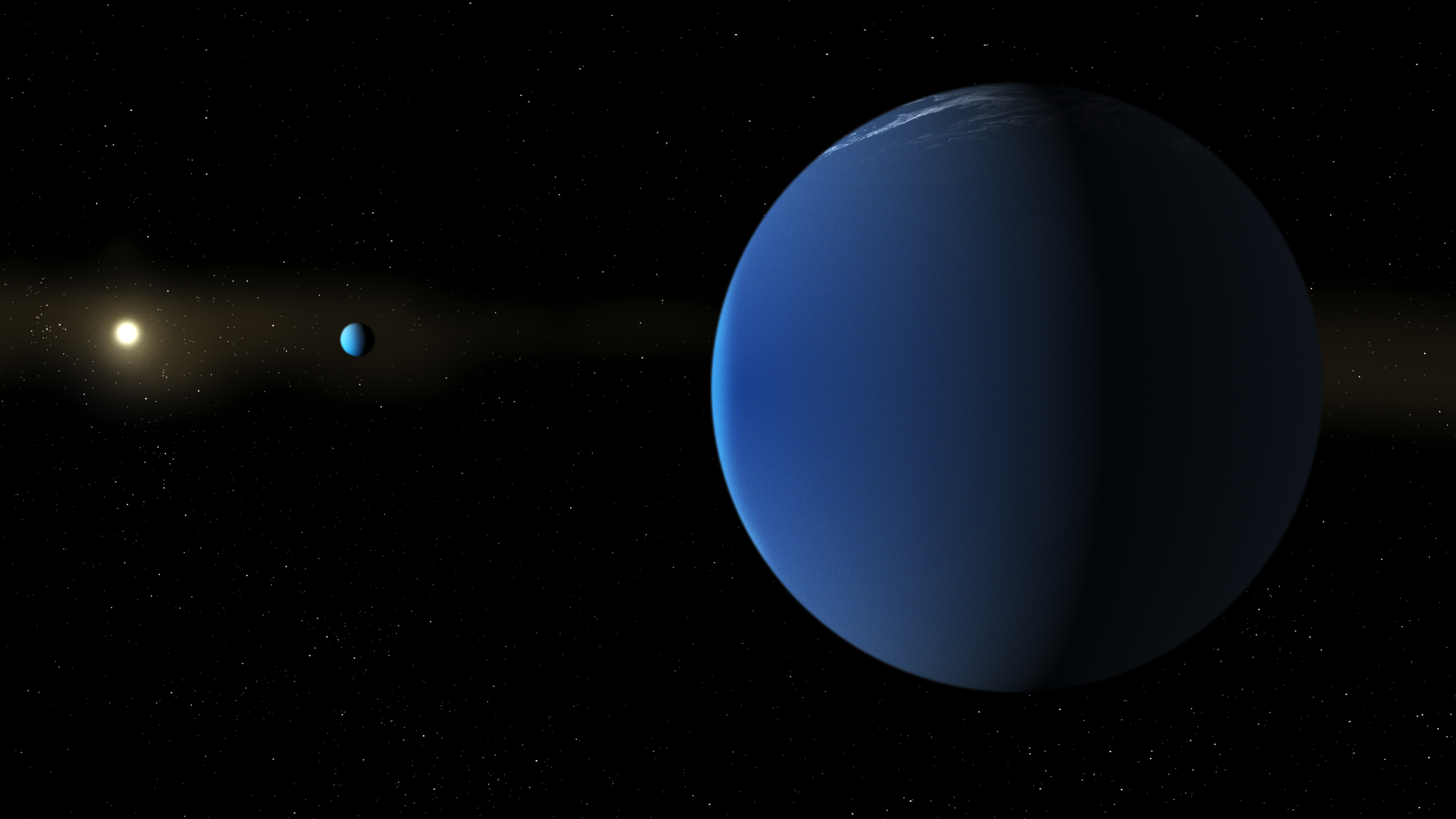
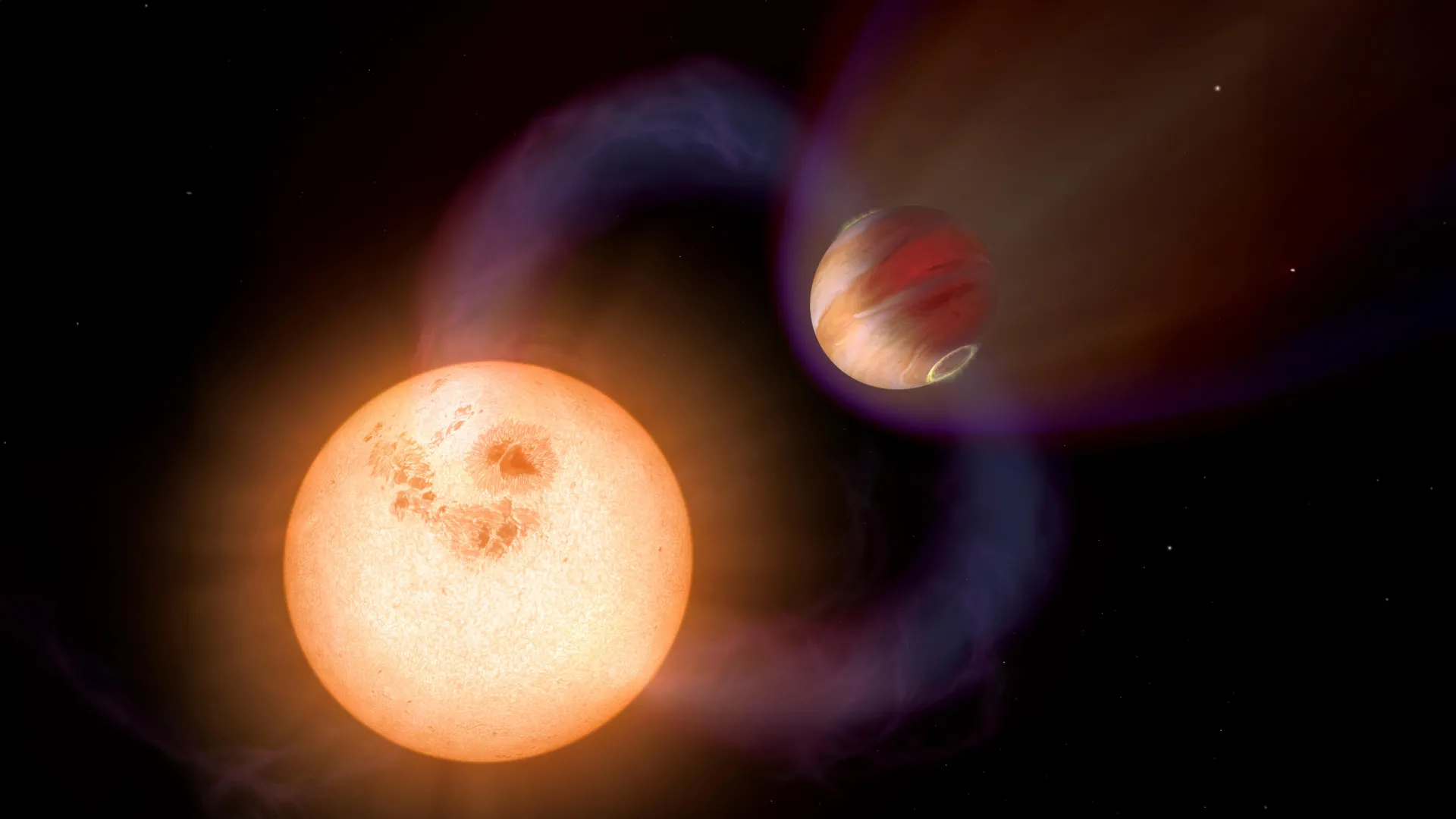
Among the most exciting discoveries are several categories of rare and extreme planetary types that push the boundaries of what scientists thought possible. The confirmed planets include ultra-short-period worlds that complete full orbits around their stars in less than 24 hours, experiencing surface temperatures that would vaporize most known materials. Even more intriguing are planets found in the so-called 'Neptunian desert,' a theoretical region where few planets are expected to exist based on current formation theories.
RAVEN's strength lies in its sophisticated approach to distinguishing genuine planet signals from the numerous false positives that plague astronomical surveys. "The challenge lies in identifying if the dimming is indeed caused by a planet in orbit around the star or by something else, like eclipsing binary stars," explained Dr. Andreas Hadjigeorghiou, who led the development of the pipeline. The system was trained on hundreds of thousands of realistically simulated planets and other astrophysical events that can masquerade as planetary signals.
The discovery of tightly packed multi-planet systems, including previously unknown pairs of planets orbiting the same star, provides valuable insights into planetary formation and migration processes. "RAVEN allows us to analyse enormous datasets consistently and objectively," added Dr. David Armstrong, associate professor at Warwick and senior co-author. The pipeline's ability to handle the entire detection process—from initial signal identification to statistical validation—gives it a significant edge over existing tools and promises to accelerate exoplanet discovery as astronomical surveys continue to expand.