Astronomers Find Two Giant Planets 'Lighter Than Cotton Candy'
The rare 'super-puff' worlds TOI-791 b and c are roughly Jupiter's size but a tiny fraction of its mass, ranking among the lowest-density planets ever detected.
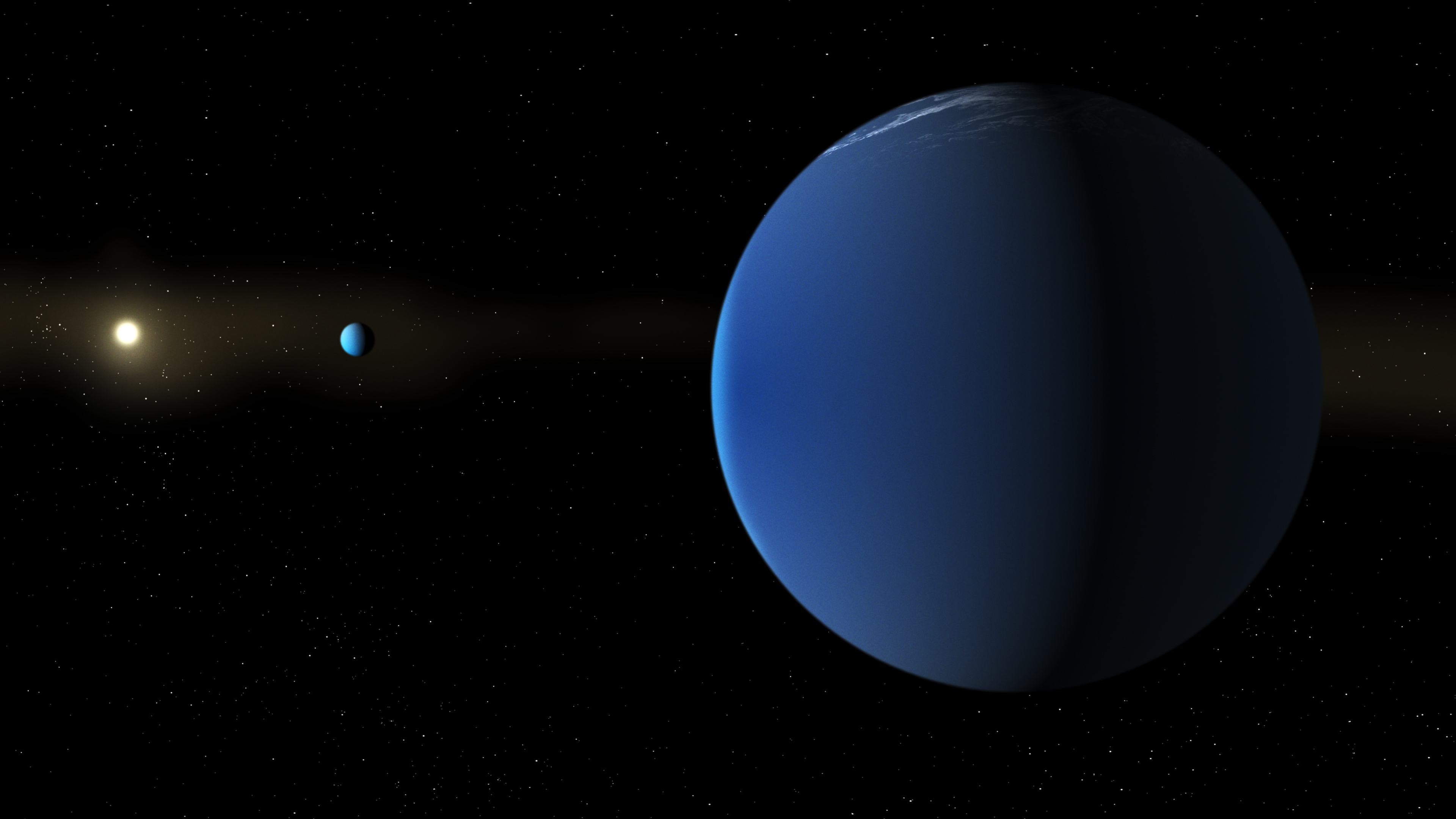
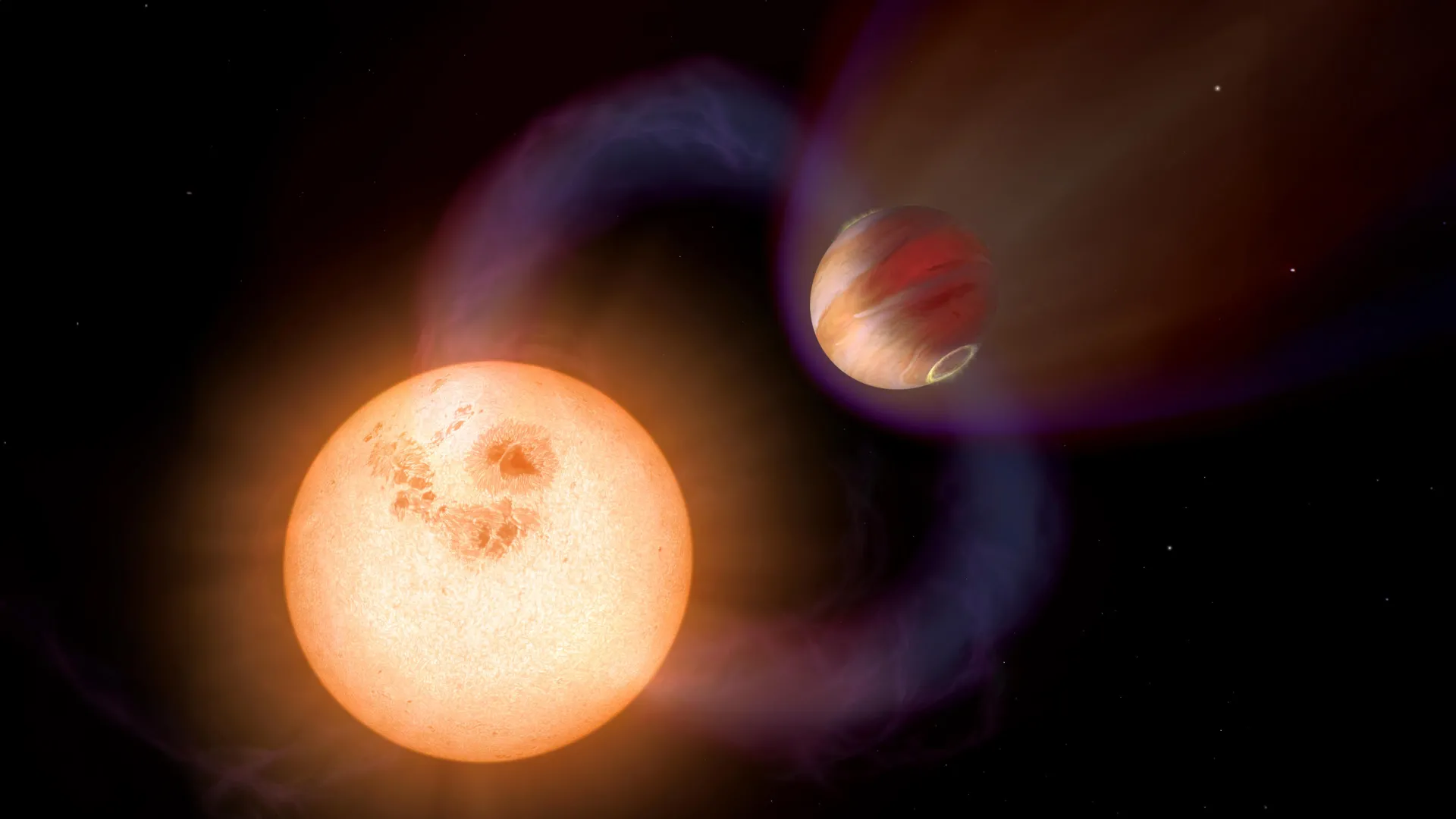
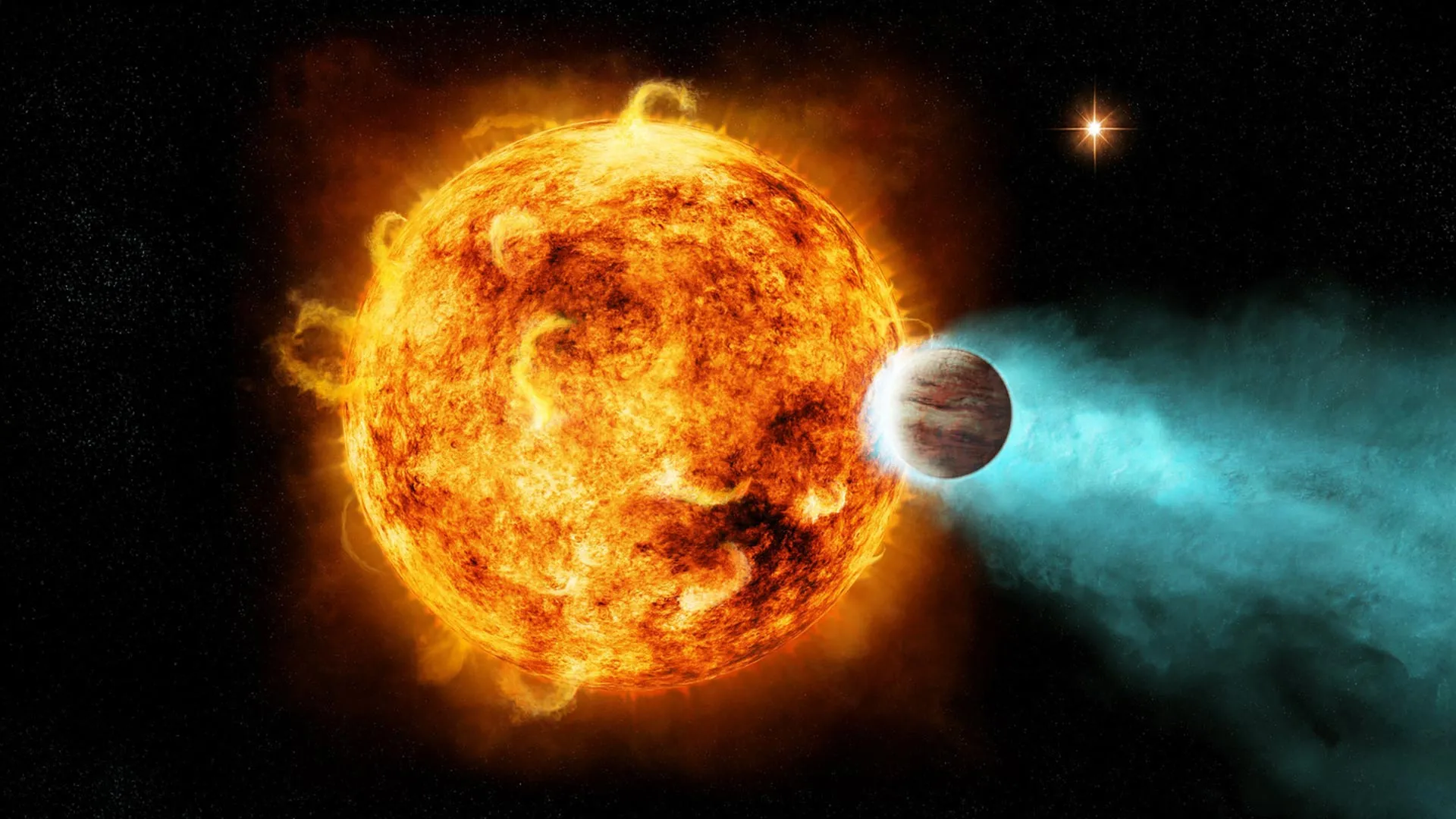
Astronomers have discovered a pair of giant planets so extraordinarily lightweight that scientists say they are less dense than cotton candy, ranking among the puffiest worlds ever found. The two planets, designated TOI-791 b and TOI-791 c, are each roughly the size of Jupiter yet contain only a sliver of its mass, making them textbook examples of the rare class of "super-puff" planets that continue to challenge theories of how worlds form.
The discovery, led by researchers at the University of Oxford in collaboration with the Université Côte d'Azur and the University of Birmingham, was made using data from NASA's Transiting Exoplanet Survey Satellite, or TESS, and published in the Monthly Notices of the Royal Astronomical Society. The two planets orbit an F-type star located about 1,110 light-years from Earth in the southern constellation Volans.
The numbers are striking. TOI-791 b is nearly the same size as Jupiter but holds just 3.0 percent of its mass, while TOI-791 c is even larger than Jupiter yet contains only 5.9 percent of the giant planet's mass. That translates to densities of about 0.038 and 0.047 grams per cubic centimeter, respectively — a small fraction of Jupiter's average density of 1.33 grams per cubic centimeter, and low enough that the planets are often compared to candy floss or a marshmallow.
Such feather-light worlds pose a genuine puzzle for planetary scientists. Conventional models struggle to explain how a planet can grow to Jupiter-like dimensions while accumulating so little material, and researchers have floated several possibilities, including vastly inflated atmospheres puffed up by heat from their host star, or extended systems of rings that make the planets appear larger and less dense than they truly are. Pinning down the answer could reshape understanding of how gas giants assemble and evolve.
Because super-puffs have such extended, low-gravity atmospheres, they are considered prime targets for follow-up study with powerful instruments like the James Webb Space Telescope, which can probe the chemical fingerprints of a planet's air as starlight filters through it. Each new super-puff adds a data point to a small but growing catalog of these bizarre objects, and the TOI-791 system — with two of them orbiting the same star — offers a rare natural laboratory for comparing how such planets form side by side. For now, the worlds stand as a reminder of just how strange and varied the galaxy's planets can be.
Only a few dozen super-puffs have been confirmed to date, and their very existence hints that planet formation can follow paths that theorists have yet to fully chart. Some researchers suspect the puffiest worlds may be relatively young, still radiating the heat of their formation and destined to shrink and settle into denser configurations over hundreds of millions of years. Finding two such planets circling a single, relatively bright star gives astronomers an unusual opportunity to test that idea, and the team behind the discovery said follow-up observations were already being planned to weigh, measure and ultimately explain how the cotton-candy planets came to be.