Weaker Dollar Quietly Driving Up Costs for American Consumers
Currency decline affects everything from vacation expenses to grocery bills as purchasing power erodes across multiple sectors.
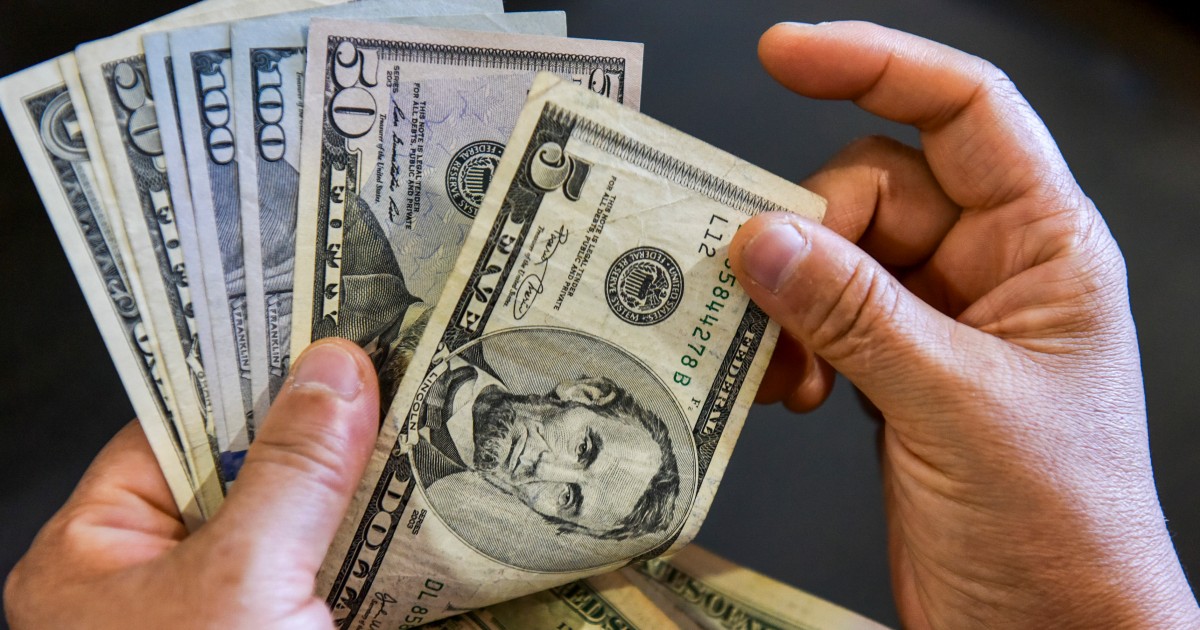
A weakening U.S. dollar is quietly pushing up costs for American consumers across multiple sectors, creating a hidden inflationary force that affects everything from summer vacation plans to weekly grocery shopping. The currency's decline against major trading partners has reduced American purchasing power for imported goods and services, adding pressure to household budgets already strained by other economic factors.
The dollar's weakness manifests most obviously in international travel, where American tourists find their money buys significantly less in popular destinations. Hotel rates, restaurant meals, and tourist activities that seemed affordable when booked months ago now carry substantially higher real costs due to unfavorable exchange rates. Travel industry experts report that some Americans are canceling or modifying international trips as the true cost becomes apparent at the point of purchase.
Grocery stores represent another area where currency effects are becoming visible to consumers, though often in subtle ways that may not be immediately attributed to exchange rate movements. Imported food products, from exotic fruits to specialty items, have seen price increases that reflect the dollar's reduced buying power. Even domestically produced items that rely on imported ingredients or components face upward pressure on costs that eventually reaches consumer prices.
The broader economic implications extend beyond individual purchasing decisions to affect entire sectors of the economy. Industries that rely heavily on imported materials or components face margin pressure as their costs rise without corresponding increases in revenue. This dynamic can lead to reduced investment in expansion, slower hiring, or price increases that propagate through supply chains to reach end consumers.
Monetary policy experts note that currency weakness creates complex challenges for economic management. While a weaker dollar can benefit American exporters by making their products more competitive internationally, the import cost effects can undermine consumer spending power and contribute to inflationary pressures. The Federal Reserve faces difficult balancing acts in addressing these competing dynamics while maintaining overall economic stability and employment levels.