Utah Man Walks Free After 41 Years on Death Row as New DNA Fails to Match Him
A judge released Douglas Carter, 71, on bail pending a 2027 retrial for the 1985 killing of Eva Olesen. DNA from a doorknob and the murder knife excluded him.
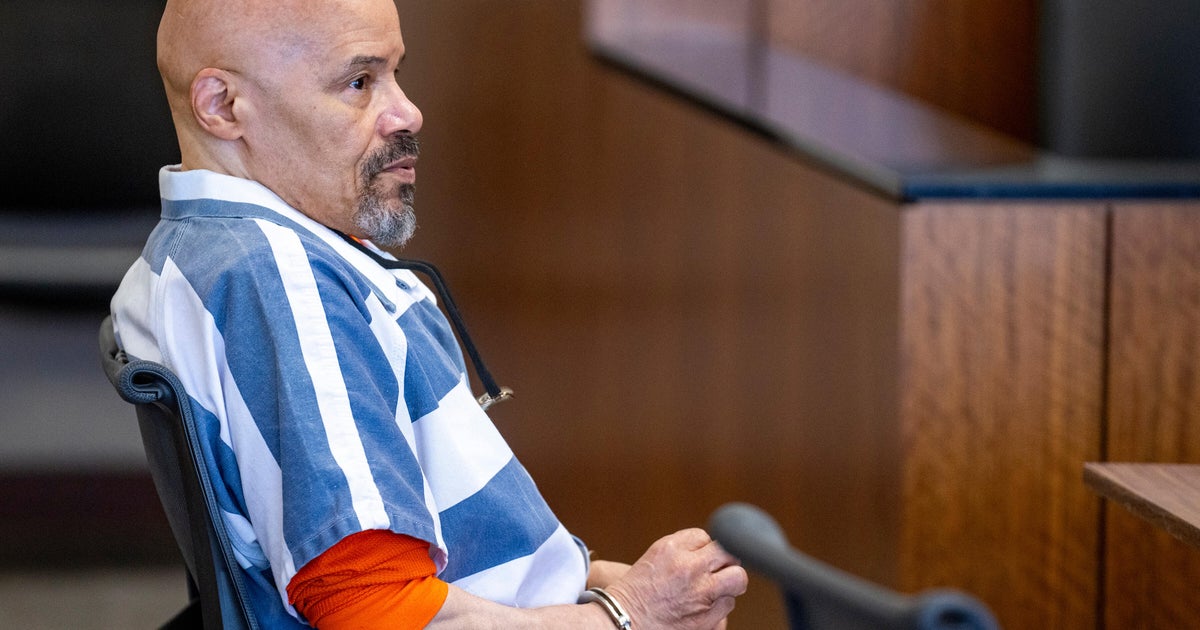
A Utah judge on Monday ordered the release on bail of Douglas Stewart Carter, a 71-year-old man who spent decades on death row for a 1985 murder, after prosecutors said newly analyzed DNA evidence did not match him. Carter walked out of the Utah County Jail hours later, more than 40 years after his arrest.
Carter was sentenced to death in 1985 for killing Eva Olesen in her Provo home. Olesen, who was stabbed and shot, was an aunt of the Provo police chief at the time. No physical evidence ever tied Carter to the scene. A jury convicted him based on a signed confession and on two witnesses who said he bragged about the killing. Carter is Black and Olesen was White. Both witnesses later recanted, and Carter has always said his confession was coerced.
Prosecutors told the court they received DNA results on Sept. 22 that exclude Carter as the source of blood found on a doorknob and genetic material taken from the handle of the knife used in the attack. Last week, Utah County prosecutors also withdrew their notice that they would seek the death penalty at a retrial. Prosecutor Erwin Petilos told Fourth District Judge Derek Pullan that reassessing Carter's bail was "necessary and fair" while the state keeps reviewing the evidence.
Pullan said the DNA findings further undermine the case, but that a reasonable jury could still conclude Carter committed the murder. He kept a two-month retrial on the calendar for 2027 and ordered Carter to wear a GPS monitor and have no contact with the Olesen family. Defense attorney Neal Hamilton said Carter will live in an extended-stay rental near the family of his son, who was adopted as an infant and did not learn of the conviction until years later. "He's being released with 41 years of state-induced trauma and the effect it will have on him is very real," Hamilton said.
The case began to unravel in 2011, when investigators tracked down the two trial witnesses in Mexico. They said police had told them to lie, paid them in cash and gifts, and threatened them and their son with deportation if they did not implicate Carter. After more than a decade of litigation, the Utah Supreme Court ordered a new trial last year, citing "multiple instances of intentional misconduct" by police and a prosecutor. That ruling triggered the DNA testing.
Carter's lawyers say witnesses saw a White man fleeing the scene and that an investigator buried evidence pointing to other suspects, including Olesen's husband, Orla, who told police he found his wife dead with her hands tied behind her back. They allege prosecutors were close to charging him when a Provo police lieutenant asked them to hold off. Orla Olesen died in 2009 and was never charged. Carter was arrested in Nashville in June 1985 and signed the confession there. Hamilton has said Carter confessed only to spare a friend who was being held with him.
The Olesen family opposed the release. "By golly we were hoping for a concrete match," Theresa Olesen, Eva Olesen's daughter-in-law, said at the hearing. "It doesn't mean he wasn't there. We just want justice for Eva."