U.S. Ban on $1 Billion in Canadian Booze, Motorcycles and Dairy Goods Takes Effect
The ban covers about $967 million in annual imports, and nearly nine of every ten dollars is alcohol. It escalates a trade war that Canada's provinces helped feed.
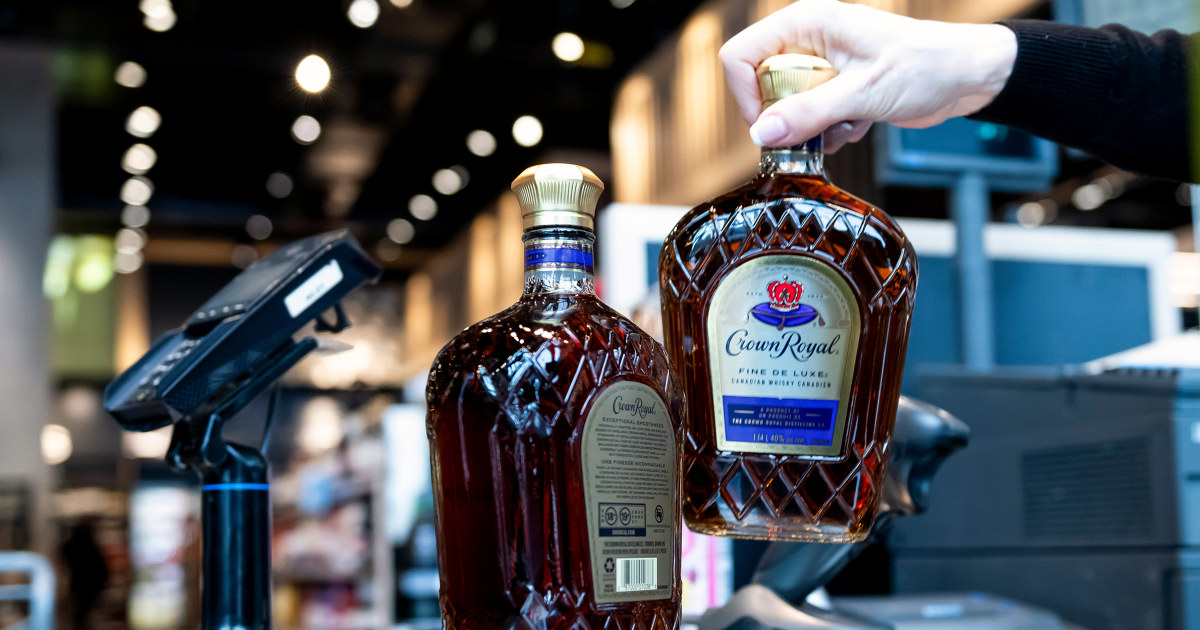
A U.S. ban on nearly $1 billion worth of Canadian goods took effect Tuesday, cutting off American imports of Canadian beer, wine, whiskey, vodka, rum and brandy along with large motorcycles and certain dairy-based foods.
The banned products account for about $967 million in annual imports from Canada, according to CBC News. Alcohol makes up roughly 87 percent of that total, or nearly $9 of every $10.
The ban also covers motorcycles with engines larger than 800 cubic centimeters, a category that mostly hits Canada's Can-Am Spyder three-wheelers. Some mopeds and motorcycles are on the list, as are food products that contain whey, the protein-rich dairy byproduct. Molasses and non-alcoholic beer are also barred.
The measure escalates a trade fight that has been building for months. It follows Canadian retaliatory tariffs that came into force earlier. The U.S. side has singled out alcohol in particular because some Canadian provinces responded to the administration's earlier moves by pulling American liquor from store shelves.
That makes alcohol the front line of the dispute. Provincial liquor boards are among the largest alcohol buyers in North America, and their decisions about what to stock have become political signals. Washington's list now mirrors that choice, taking Canadian bottles off American shelves.
For Canadian producers the effect is immediate. Distillers, breweries and wineries that ship to the U.S. lose access to their largest export market for those products. Bombardier Recreational Products' Can-Am line and dairy processors that sell whey-based ingredients face the same cutoff.
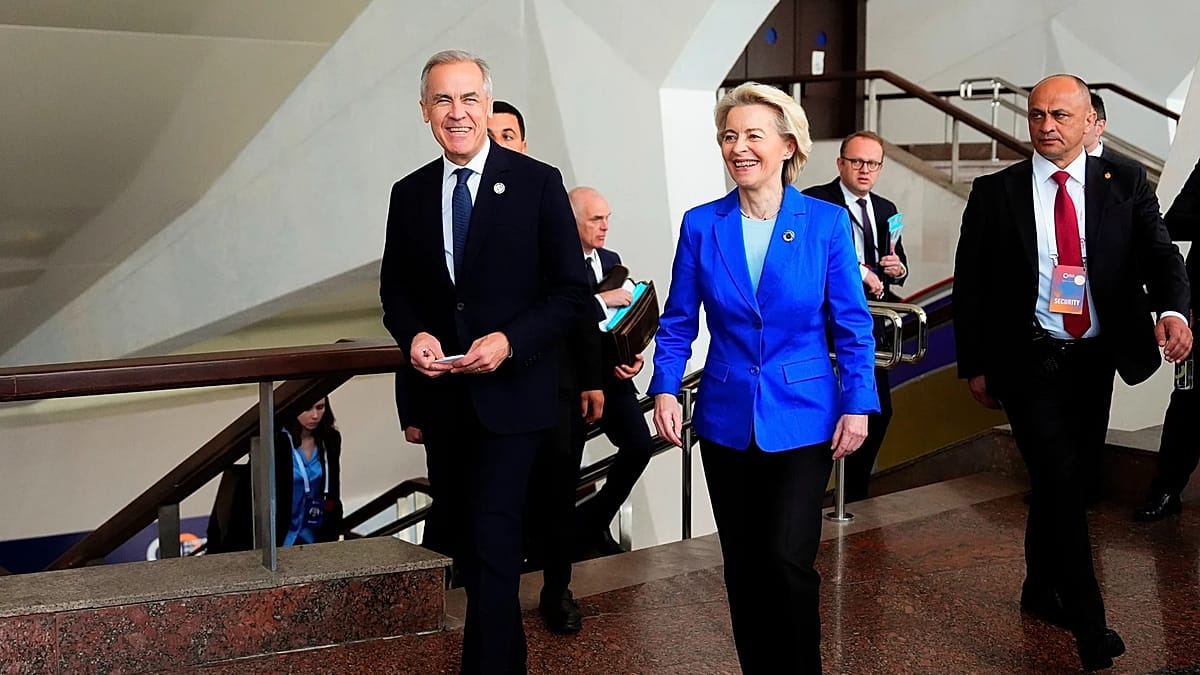
The relationship between the two countries has been strained on several fronts this month. The president threatened "very heavy tariffs on Europe" after Prime Minister Mark Carney said Canada wants to get "as close as we possibly can" to the European Union, remarks Trump called "laughable."
The ban does not end all trade in these categories, since it applies to the listed products only. But at nearly a billion dollars a year, it is a significant step, and it leaves both governments with little room to back down without appearing to lose.
Canadian officials have not yet detailed what further response they will take. Because the dispute now touches consumer products that shoppers see on shelves, the effects will show up first in liquor stores and motorcycle dealerships on both sides of the border, and in the prices customers pay for what remains.