Trump Slaps 50% Tariffs on Most Canadian Goods, Reviving a 1930 Law Unused for a Century
Invoking Section 338 of the Tariff Act of 1930 for the first time in its history, Trump gave Canada 30 days to drop what the White House called 'discriminatory' trade barriers or face duties on nearly $20 billion in imports.

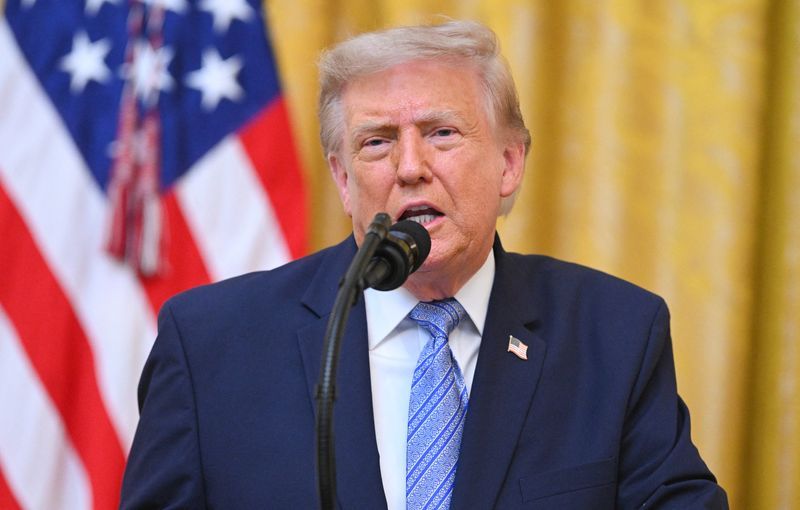
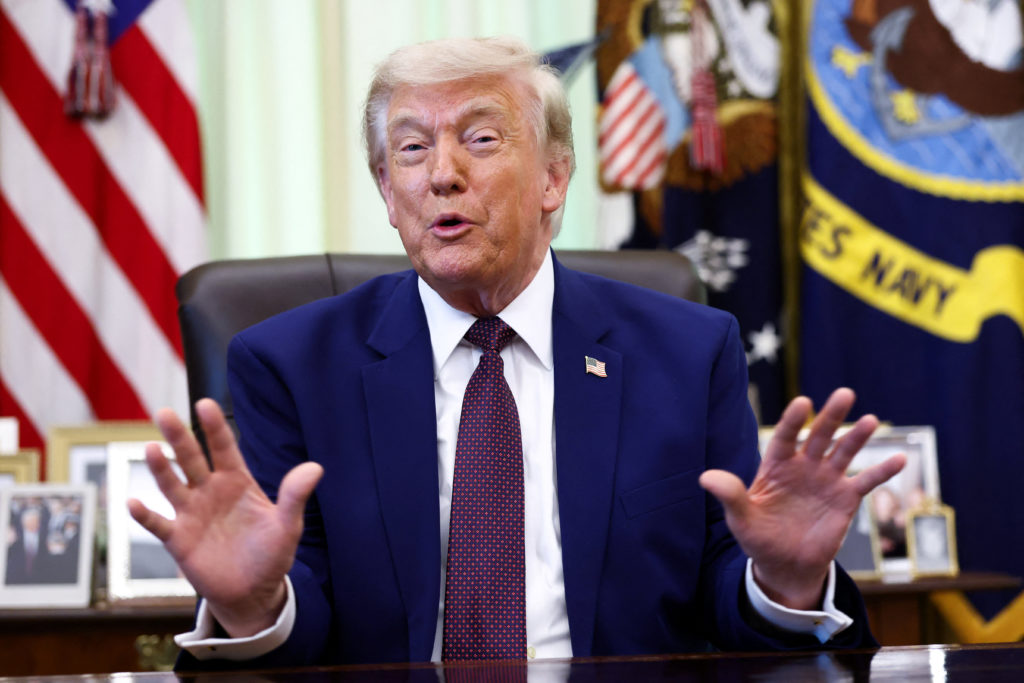
President Trump announced Monday that he will impose 50% tariffs on most Canadian goods within 30 days unless Ottawa drops what his administration called "discriminatory" trade barriers, reaching for a nearly century-old law that no president had ever used and threatening to reignite a trade war between the two neighbors.
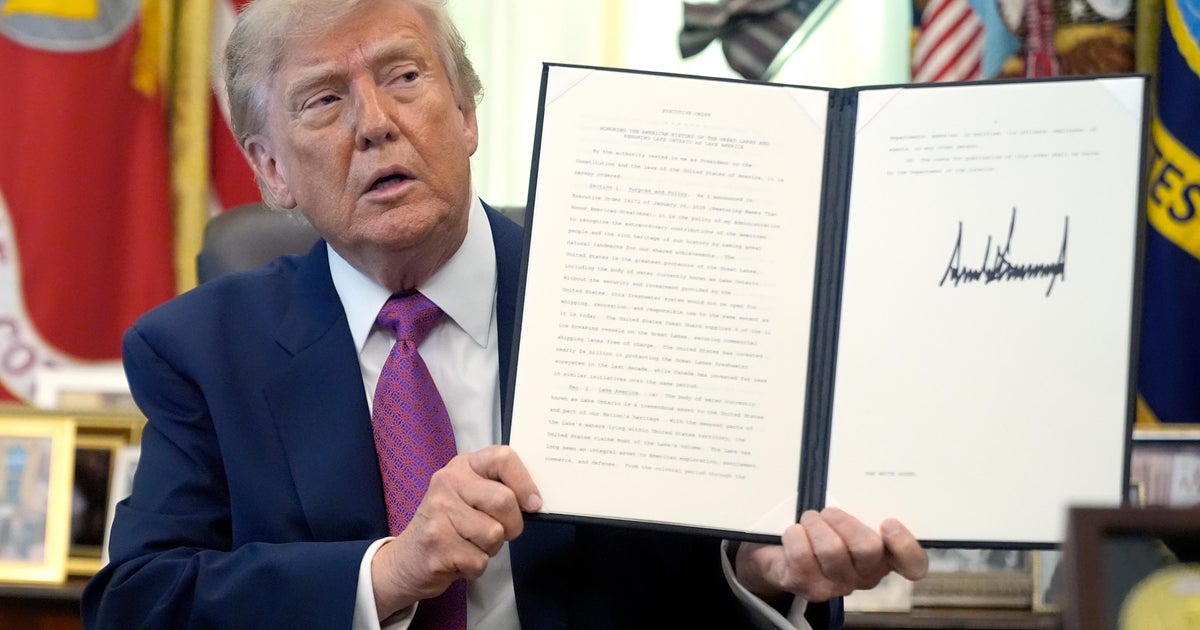
To justify the move, Trump invoked Section 338 of the Tariff Act of 1930, a provision that allows the president to impose punitive duties of up to 50% on countries deemed to have discriminated against U.S. commerce. The law has sat dormant since it was written; the White House said Monday marked its first recorded use in nearly 100 years. The U.S. Trade Representative's office said the tariffs would apply to close to $20 billion of imports — roughly 5.2% of the $382 billion in goods the United States bought from Canada in 2025.
The duties, set to take effect in 30 days, would cover a sprawling list of consumer products, including wine, hockey sticks, cement, dairy, swimming pools, furniture, fishing rods, seeds, clothing and wigs. Notably, they would spare oil, natural gas, critical minerals and potash, along with goods already hit by sector-specific tariffs — an apparent effort to shield American energy and manufacturing supply chains from the fallout.
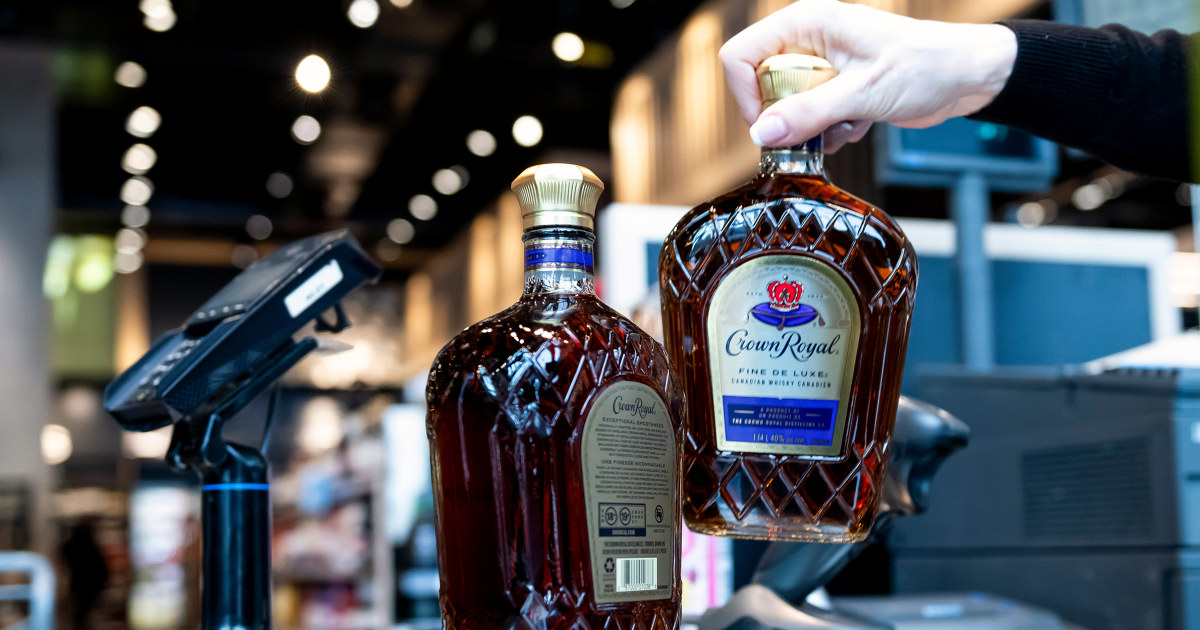
The White House said the measure was a response to "discriminatory treatment" from Ottawa against U.S. alcohol, automobiles and dairy, and noted that Canada was one of only two countries, along with China, to retaliate against Trump's tariffs last year. Critics warned the escalation could raise prices for American consumers already worried about inflation; the business magazine Fortune described Section 338 as a "nuclear option" that could unleash fresh economic disruption.
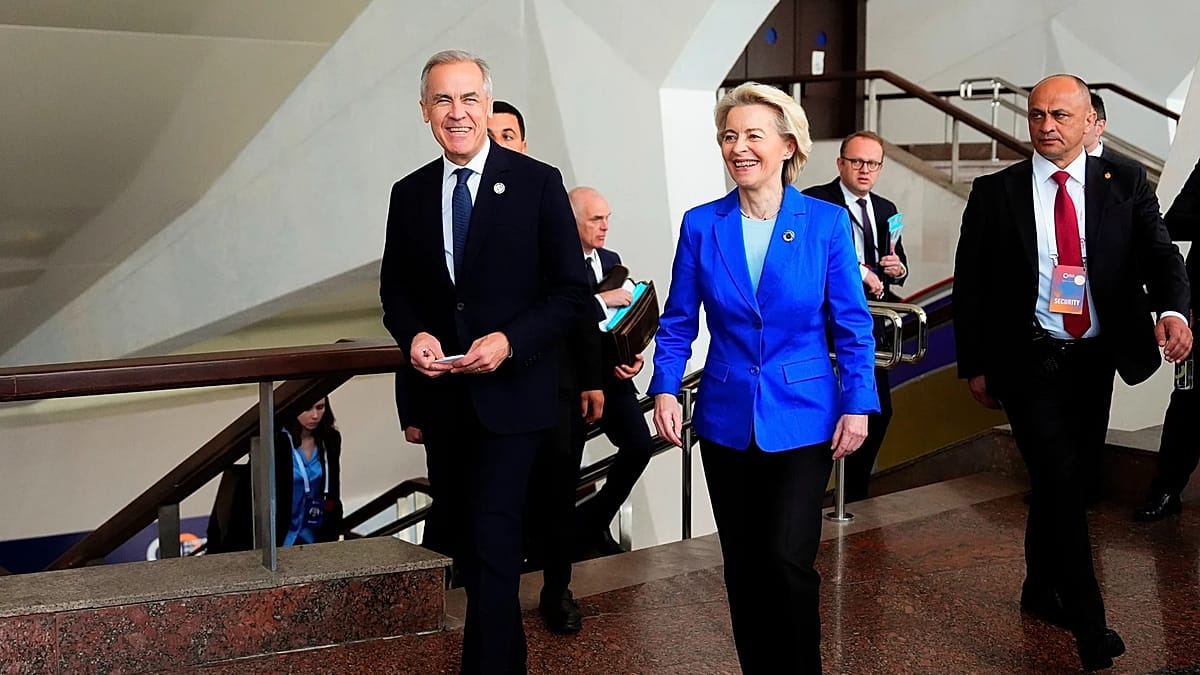
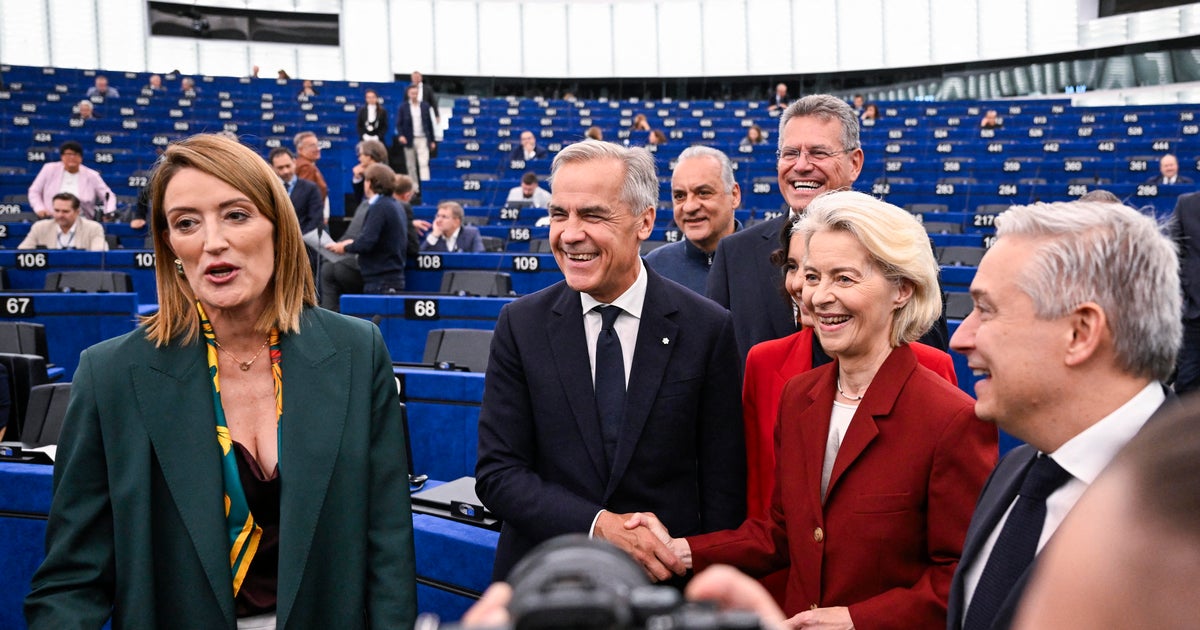
Canadian Prime Minister Mark Carney called the tariffs a "direct violation" of the U.S.-Mexico-Canada Agreement, the free-trade pact that governs the vast majority of commerce among the three countries. Carney said Canada was nonetheless "ready to intensify" talks to resolve the disputes, signaling that Ottawa would try to negotiate a way out before the duties bite while preparing possible countermeasures.
The announcement injected new uncertainty into one of the world's largest trading relationships and tested a partnership that has weathered repeated strains during Trump's second term. With a month before the tariffs are scheduled to hit, businesses on both sides of the border braced for a scramble — rerouting shipments, stockpiling inventory and lobbying their governments — while economists warned that a full-blown standoff between two of the world's most integrated economies would leave few consumers untouched.