Trump Bets $17.5 Billion on a Nuclear Building Spree to Feed the AI Boom
The Energy Department is offering loans for up to 10 new Westinghouse reactors as a Rick Perry-led venture files to build the world's largest nuclear-powered data-center campus in the Texas Panhandle.
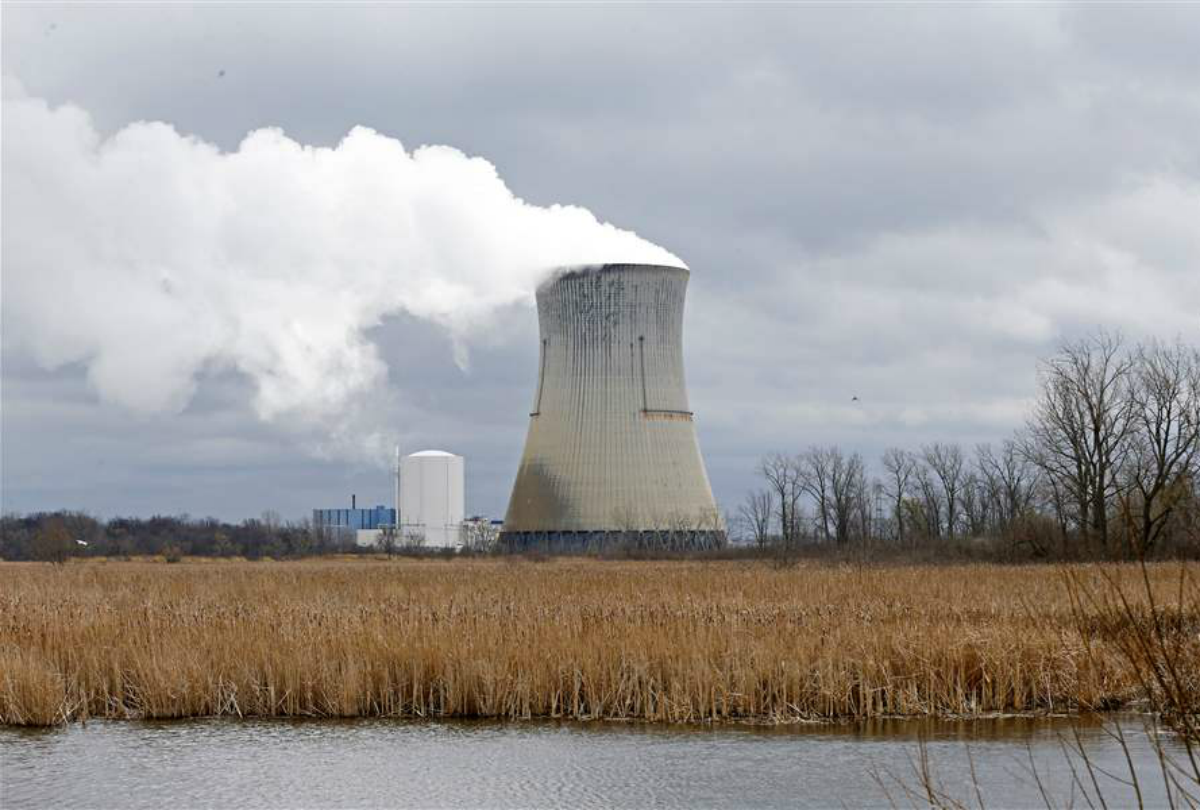
The Trump administration is placing one of the largest federal bets in a generation on nuclear power, moving to bankroll a fleet of new reactors it says are needed to keep the United States ahead in the race for artificial intelligence. The Department of Energy has conditionally committed up to $17.5 billion in loan facilities — branded "American Supply Chain Loans" — to finance the long-lead components required to build as many as 10 large Westinghouse AP1000 reactors across the country.
Under the terms outlined by the DOE, the government could issue up to five loans of roughly $3.5 billion each, with every loan underwriting a pair of reactors. The money is aimed squarely at the expensive, slow-to-manufacture equipment — reactor vessels, steam generators, heavy forgings and turbines — that has historically stalled American nuclear projects for years. Officials say the financing could accelerate construction and commercial operation by up to three years, with a target of having 10 reactors under construction by 2030 and generating power by the mid-2030s.
The push builds on a partnership unveiled in October 2025, when the federal government and Westinghouse — alongside partners Cameco and Brookfield — outlined a plan to build at least $80 billion of new reactors using Westinghouse technology. The driving force behind the sudden urgency is electricity demand from AI. Data centers consumed roughly 4 to 5 percent of U.S. electricity in 2024, a figure the industry projects could climb toward 15 percent by 2028 as companies race to build ever-larger computing clusters.
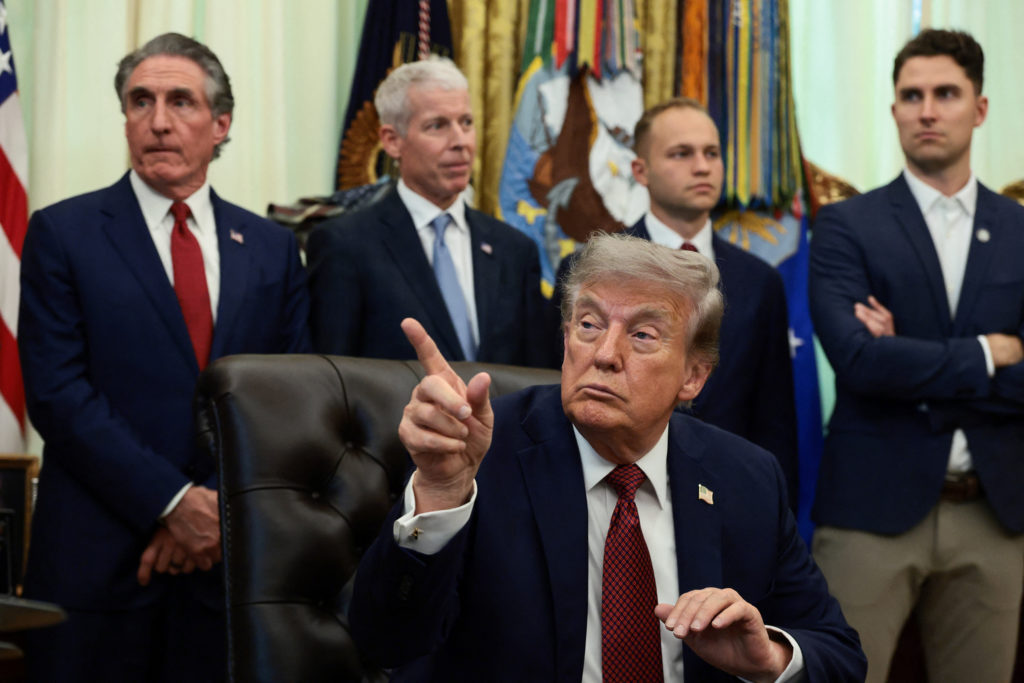
To speed things along, President Trump signed an executive order directing the Nuclear Regulatory Commission to rule on new construction and operating licenses within 18 months — roughly half the time such reviews have typically taken. The president has gone further with Silicon Valley, floating a deal to approve privately built, on-site nuclear plants for data centers in as little as three weeks, an almost unheard-of timeline for an industry defined by decade-long approvals.
The clearest sign of the new appetite came this month from Fermi America, a venture co-founded by former Energy Secretary and Texas Governor Rick Perry. The company has filed federal applications to build what it describes as the world's largest nuclear-powered data-center campus near Amarillo, adjacent to the Pantex nuclear weapons facility. The plan pairs four one-gigawatt Westinghouse AP1000 reactors with roughly 18 million square feet of computing space.
Critics caution that the timelines are aggressive and that AP1000 projects — most notably the Vogtle expansion in Georgia — have run years late and billions of dollars over budget. Supporters counter that standardized designs, federal financing and streamlined permitting are exactly what the industry has lacked. Either way, the government's willingness to put billions behind steel-in-the-ground reactors marks the most serious American nuclear expansion in decades — driven less by climate policy than by the raw power hunger of artificial intelligence.