Spain's First General Strike in 14 Years Shuts Transit and Factories Over Housing Costs
Unions say walkouts hit 90% of auto and port work as millions demand rent relief, less than three weeks before an election that could put the far right in power.
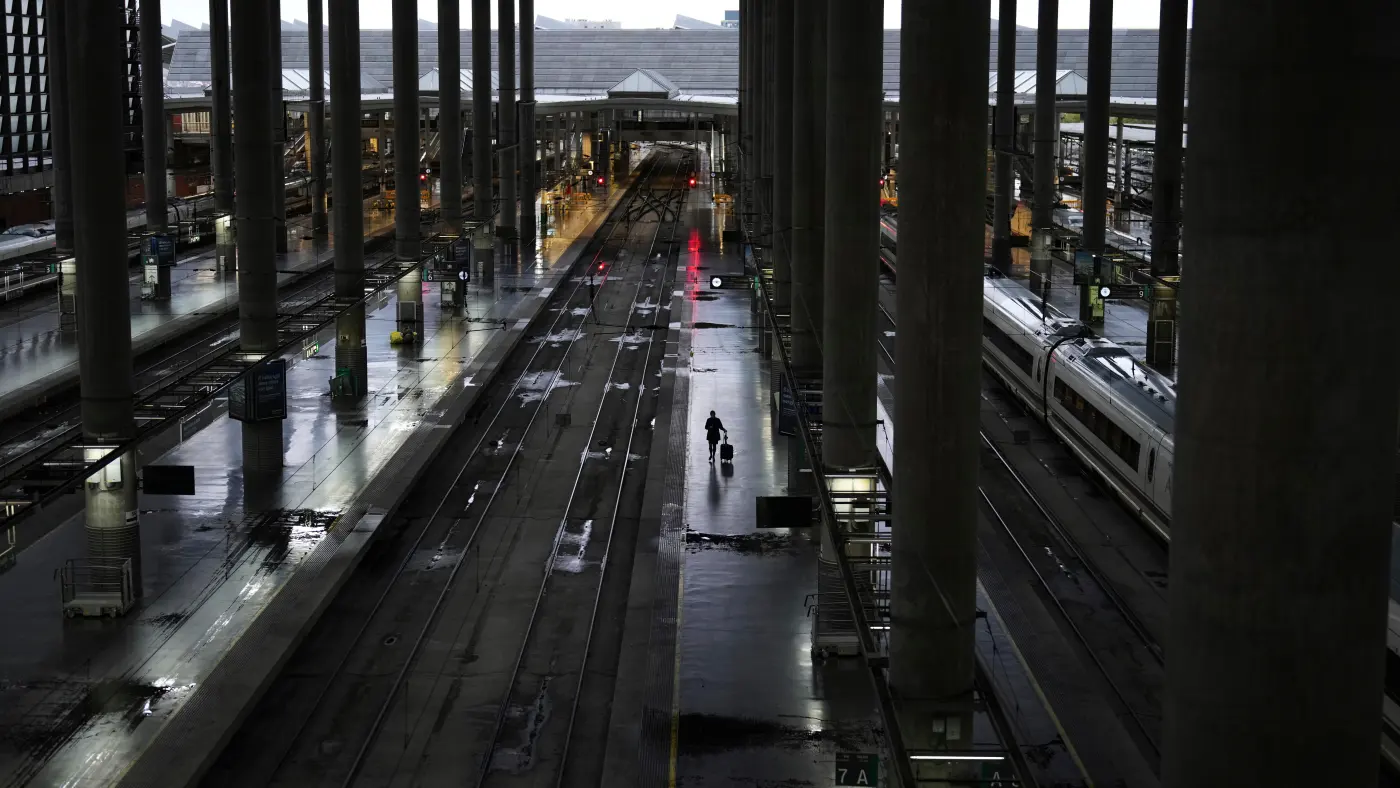
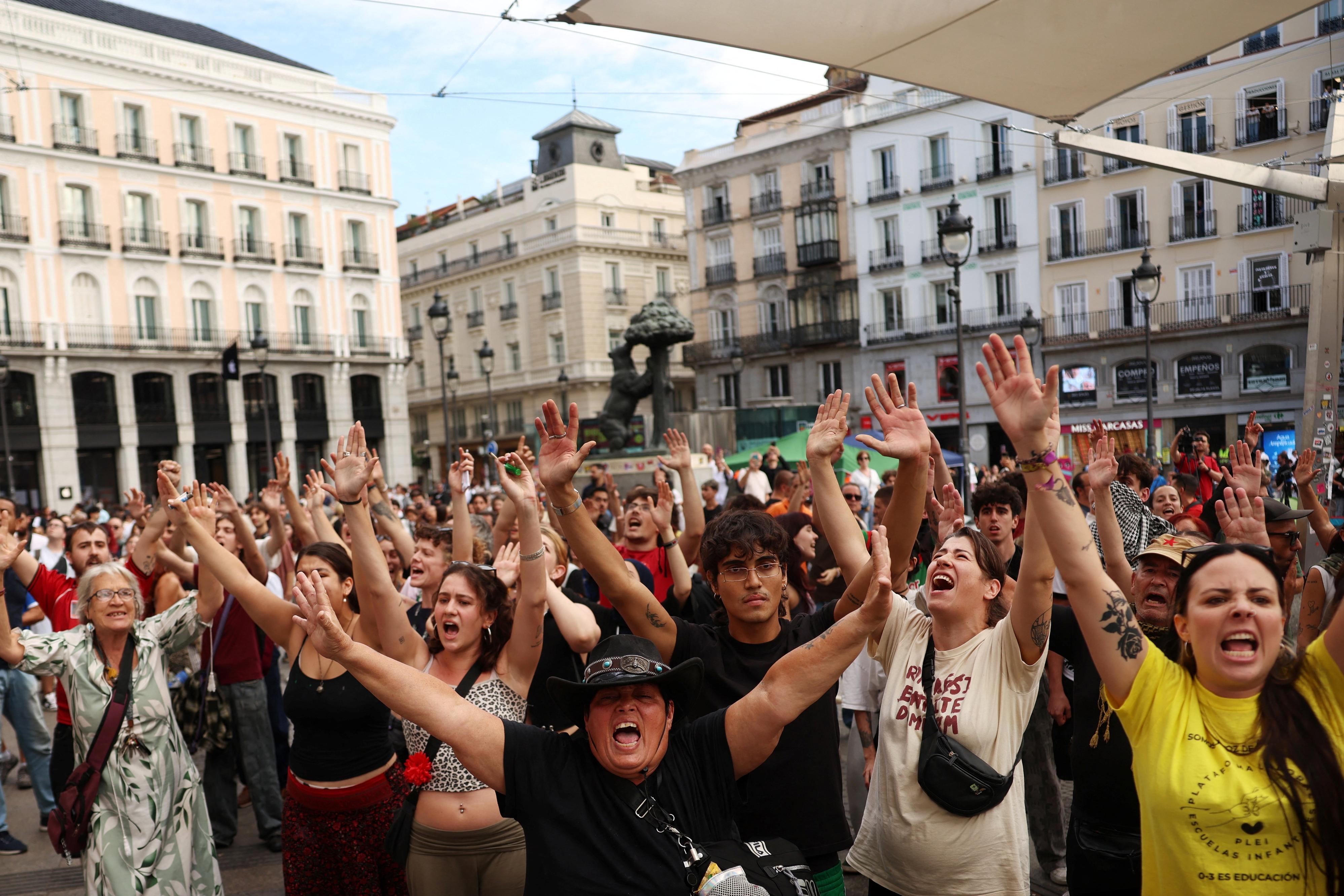
Millions of Spanish workers walked off the job Wednesday in the country's first general strike in 14 years, demanding that the government fix a housing crisis. The action comes less than three weeks before a national election that could catapult the far right to power.
The strike snarled public transport and slowed factories across the eurozone's fourth-largest economy. Many schools and universities reportedly closed or ran at minimal capacity. In Barcelona, the country's second-largest city, public transport was at a standstill or heavily delayed during the morning rush. In Madrid, where heavy rain fell in the morning, city buses were hit hardest. The capital was already dealing with a teachers' strike that started nearly a month ago.
The two main unions behind the strike, UGT and CCOO, said participation was widespread, with 90% stoppages in the automotive and port sectors, 85% in the meat industry, 82% in waste collection and 75% in energy. Minor incidents were reported in the first hours, including roadblocks, some with burning tires, in Barcelona, and scuffles between picketers and police near Madrid's main wholesale market. At midnight, workers set off fireworks in public squares in Barcelona.
"It's extremely important to remind people that we, the workers, who are also renters or who also pay mortgages, are the ones with the power to halt production and bring the economy to a standstill," Sandra Mora, a spokesperson for the Tenants' Union, told national radio RNE. CCOO leader Unai Sordo said one issue is dividing the country: "the struggle to access housing." Average rent in Spain has almost doubled in the past 10 years.
Public anger boiled over after the nationally televised eviction of an 87-year-old woman from her Madrid home last month. Her subsequent death turned the woman, known as Maricarmen, into a symbol of Spaniards who feel they pay too much in rent and cannot hope to own a home. Activists used the uproar to call the strike and won the backing of the unions. They want tourist apartments eliminated, a crackdown on real estate speculation and automatic lease renewals for renters.
The protests pushed Prime Minister Pedro Sánchez's government to adopt emergency measures limiting evictions and helping tenants. Right-wing parties in Parliament refused to ratify them, arguing they would drive properties out of the rental market. Sánchez responded by calling the election on Oct. 5, hoping for four more years for his left-wing coalition.
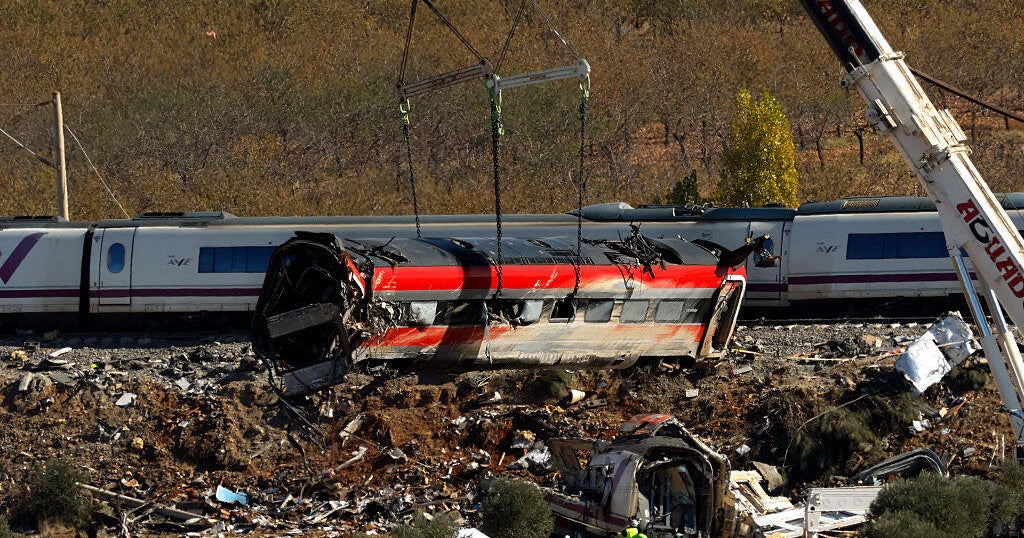
Then came a high-speed train collision that killed 69 people, Spain's second deadly rail disaster of the year, which has dominated the news and dragged on Sánchez's campaign. Political scientist Oriol Bartomeus of the Autonomous University of Barcelona said the Socialists need the strike to succeed without violence so the campaign swings back to housing.
The conservative Popular Party and the far-right Vox oppose government intervention in the housing market beyond incentives for new construction. They accuse the unions of helping Sánchez stay in office. "This strike is not a general strike; it is an electoral strike," said Popular Party spokesperson Miguel Tellado. Bartomeus said the right could benefit if the strike turns ugly, since it could then argue, "This is chaos and we are coming to establish order."
On Thursday, the government will try again to have a reduced interim Parliament ratify the two housing decrees that the full lower chamber rejected last month. Sánchez, in a video this week, warned that right-wing parties would bring austerity and underfunded social services.