Record 300-Attosecond X-Ray Flashes Squeezed Into a Spot 100,000 Times Thinner Than a Hair
The European XFEL experiment made copper atoms amplify their own X-ray light, a sign of intensities above 10^20 watts per square centimeter.

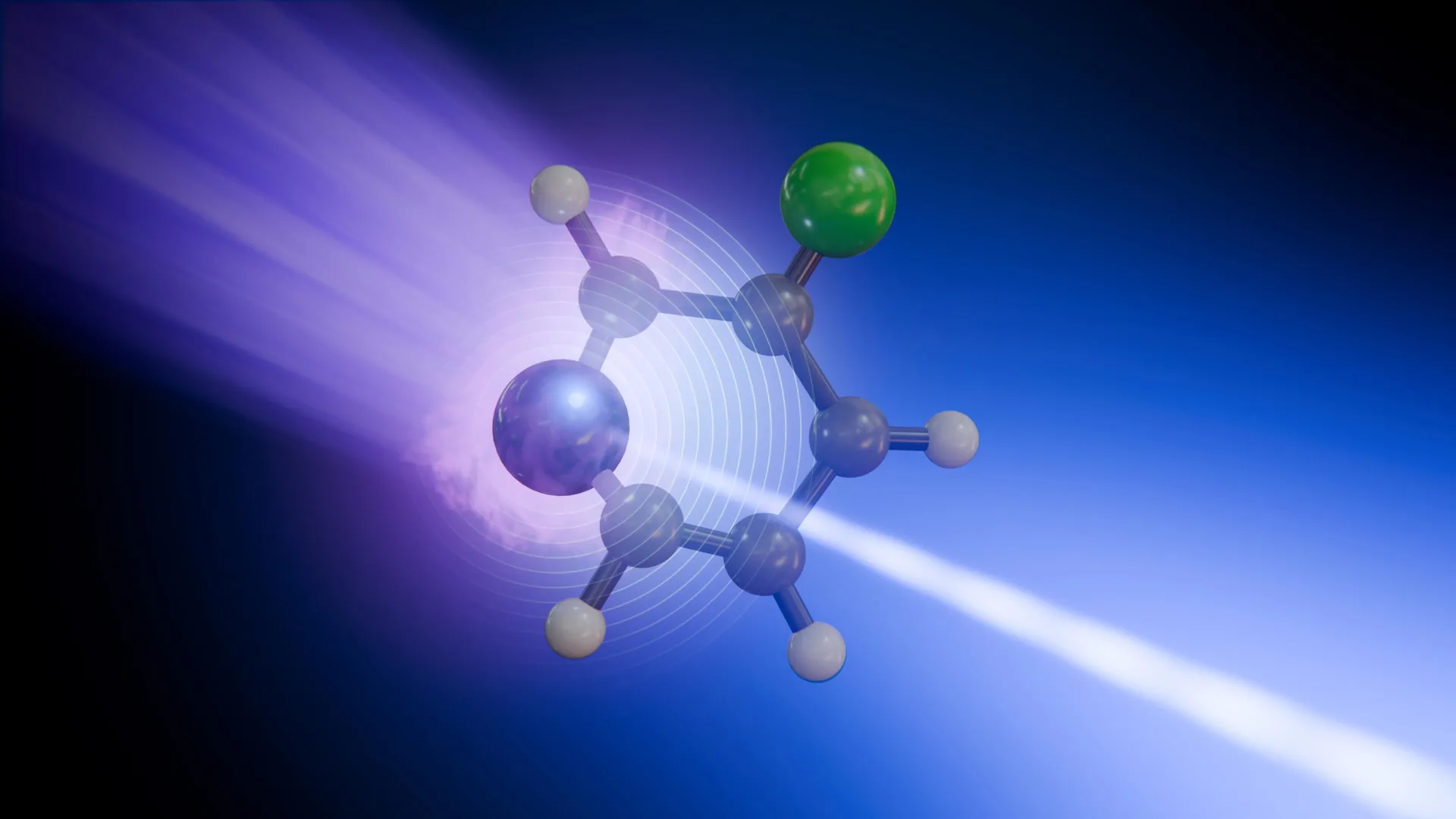
Physicists have produced X-ray flashes lasting just 300 attoseconds and focused them into a spot roughly 100,000 times smaller than the cross-section of a human hair, a world record for hard X-ray attosecond pulses. An attosecond is a billionth of a billionth of a second.
The experiment took place in April 2026 at the European XFEL, a large X-ray laser facility, and the results appear in the journal Optica. "This is a world record in intensity and fluence for a hard-X-ray attosecond pulse," said Ichiro Inoue of the University of Tokyo, the paper's first author.
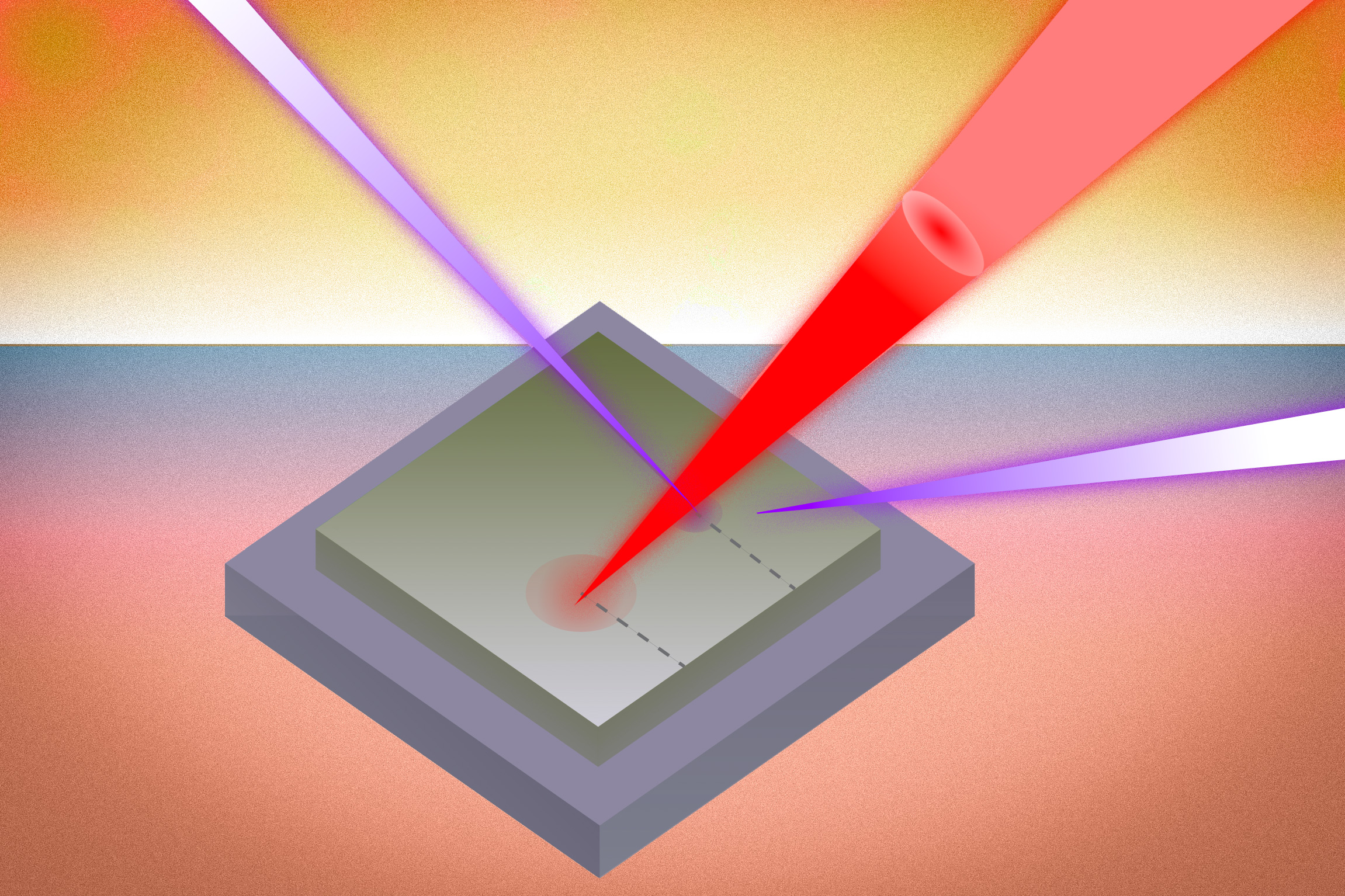
Fluence is the energy delivered to a given area, while intensity also counts how fast that energy arrives. To get both, the team used an advanced Kirkpatrick-Baez system, two extremely precise mirrors that focus the beam in different directions. Each pulse reflected four times, once vertically and once horizontally in each of two stages, and landed in a focal spot only 180 by 330 nanometers across.
"A few years ago, we demonstrated terawatt-scale hard X-ray attosecond pulses at the European XFEL," said DESY scientist Jiawei Yan, a corresponding author. "But generating powerful pulses is only the first step. For experiments, what really matters is what we can deliver to the sample."
To prove the intensity, the researchers aimed the pulses at a thin copper sheet. The X-rays knocked electrons out of the atoms' innermost shells, leaving vacancies, or "holes." Electrons from other parts of the atoms dropped in, releasing X-ray light. Normally that light goes out in all directions. At high enough intensity, though, emitted light stimulates other excited copper atoms to release more X-rays in the same direction, producing an amplified beam. Physicists call this amplified spontaneous emission.
"It is almost magical to see this happening," said Anders Madsen, group leader at the MID instrument where the study was done. "Normal fluorescence goes in all directions, regardless of the direction of the incoming beam. But when the ASE threshold is crossed, you see the light cone starting to condense into the forward direction."
The team saw a second signature of extreme intensity. As pulse energy rose, the amplified signal first grew sharply, then flattened out, a behavior called saturation that is expected only under exceptionally intense illumination. Together with the measured pulse energy, duration and spot size, it supported peak intensities above 10^20 watts per square centimeter.
Why it matters: electrons set how atoms bond and how chemical reactions unfold, and they move on timescales far too short for conventional tools. Ultra-short, ultra-intense X-rays could capture electron behavior before the radiation has time to alter the sample. Yan said the advance lets scientists explore "highly nonlinear interactions between X-rays and matter," where intense light makes matter respond in ways it never would under weaker illumination. In the longer term, the researchers say, it may even lead to ways of influencing electron motion.