The Pentagon Told Congress 153 Civilians Died in Its Yemen Campaign
Three Airstrikes Account for Every One of Them.
The report counts nobody killed in the Caribbean and Pacific boat strikes — roughly 215 people over two years — and arrives after the office that tracks civilian harm shrank from 40 staff to nine.
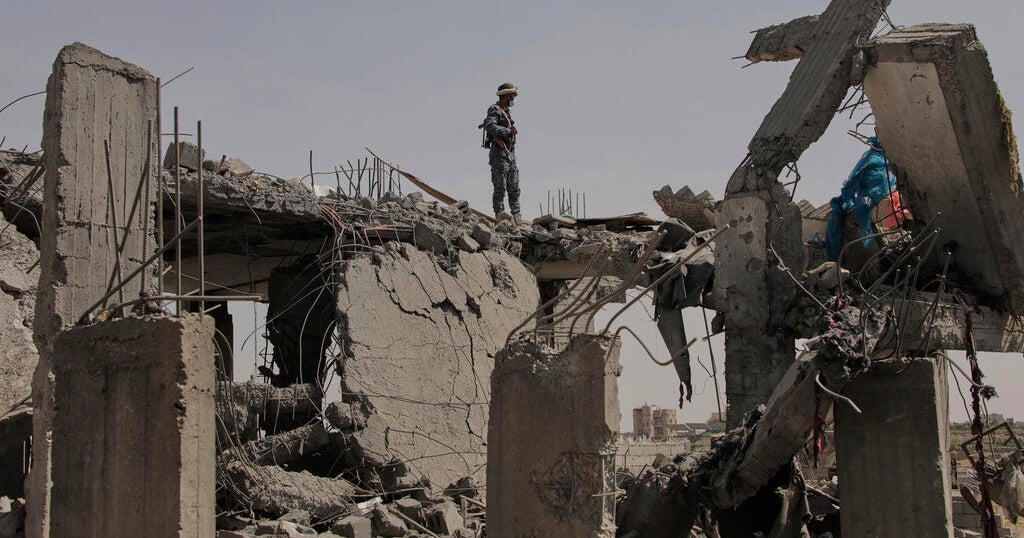
The Pentagon has formally acknowledged that U.S. military operations killed 153 civilians and injured 243 more in 2025, according to a report submitted to Congress late Monday and obtained by CBS News. Every confirmed casualty in the tally came from three airstrikes in Yemen.
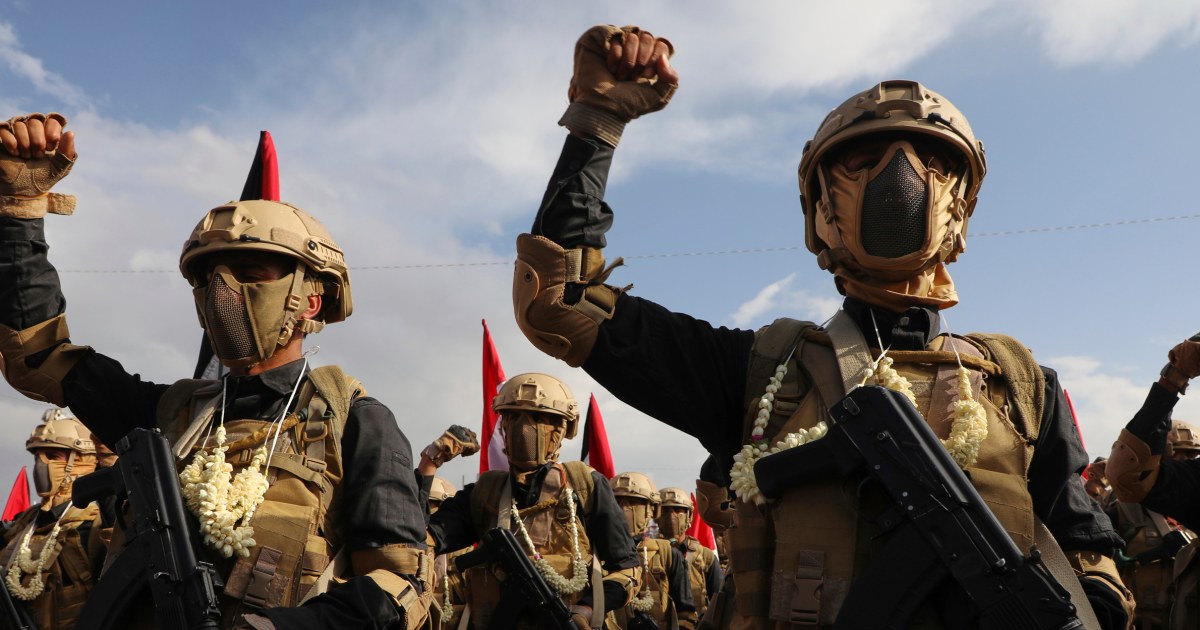
The strikes were part of Operation Rough Rider, the air and naval campaign the U.S. ran from March to May 2025 against Yemen's Iran-backed Houthi militia to stop attacks on commercial shipping in the Red Sea. The report concludes it was "more likely than not" that five civilians were killed on April 6 near the capital, Sanaa; 80 were killed on April 17 near Ras Isa Port; and 68 were killed on April 28 near Saada. The military did not conduct site visits or interviews to reach those judgments, relying instead on U.S. intelligence, imagery and public reporting. NBC News and The Washington Post first reported details of the assessments.
Outside monitors put the number higher. Airwars, which tracks civilian harm in conflict, reported last year that at least 258 civilians may have been killed in Operation Rough Rider. The Pentagon's own document notes that as of earlier this year, 15 additional incidents in Yemen were still being assessed in response to reports submitted by nongovernmental organizations.
What the report leaves out is as consequential as what it contains. It counts none of the deaths from the strikes on boats in the Caribbean Sea and Pacific Ocean — roughly 120 people last year and 95 so far this year. The Trump administration says those strikes, which began in September 2025, target drug traffickers from cartels it has designated terrorist organizations. Some legal experts argue they amount to extrajudicial killings, because U.S. forces are barred from intentionally targeting civilians, including people suspected of crimes, unless the legal standard for the use of military force is met.
Congress created the requirement for these disclosures — known inside the building as "1057 reports" — in the 2018 annual defense policy bill. The first year of mandatory reporting, 2017, logged nearly 500 civilian deaths. After the withdrawal from Afghanistan the number collapsed to one in 2023 and two in 2024, then climbed again with the Houthi campaign.
The accounting arrives as the office responsible for reducing civilian harm is being dismantled around it. The Civilian Protection Center of Excellence told Congress in a late-July report that its staff had fallen to nine full-time employees — seven civilians and two service members — by the end of fiscal 2025, down from 40 civilian, military and contractor personnel. The Pentagon has argued in submissions to Congress that the center duplicates work done elsewhere and should be eliminated, and has cut budgets and staffing across the broader civilian harm mitigation program. Defense Secretary Pete Hegseth, who fired the top military lawyers for the Army, Navy and Air Force in his first months in the job and has disparaged judge advocates general as "jagoffs," has said he wants to "untie the hands of our warfighters" and emphasize "maximum lethality, not tepid legality." Testifying to Congress earlier this year, he said "the United States military never targets civilians, and puts constructs in place to ensure that [to] the maximum extent possible, we do not harm or hit civilians."