Justice Department Moves to Erase Steve Bannon's Contempt Conviction, and No One Is Opposing It
Legal experts say the unopposed bid is part of a pattern of the DOJ wiping the slate clean for Trump allies; a judge may still appoint an outside lawyer to argue the other side.
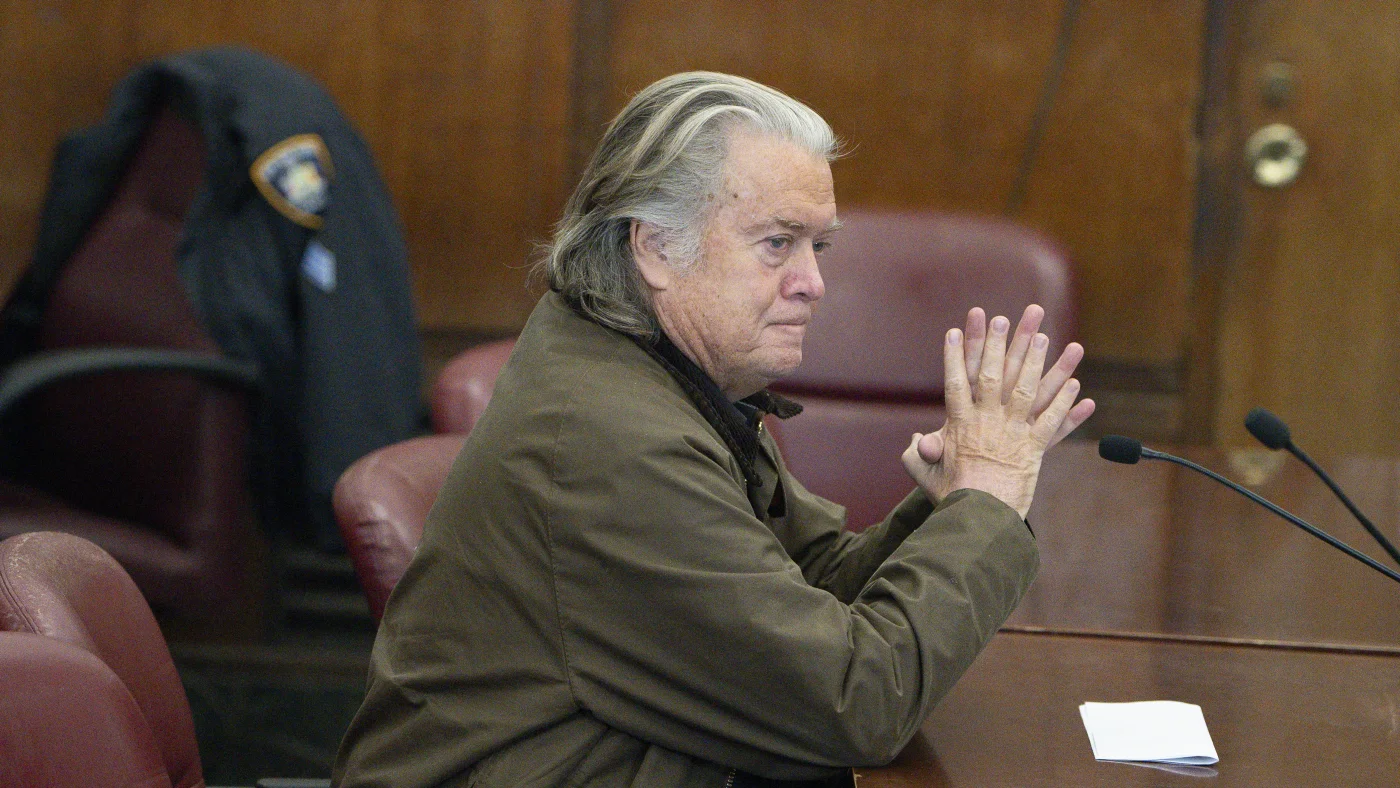
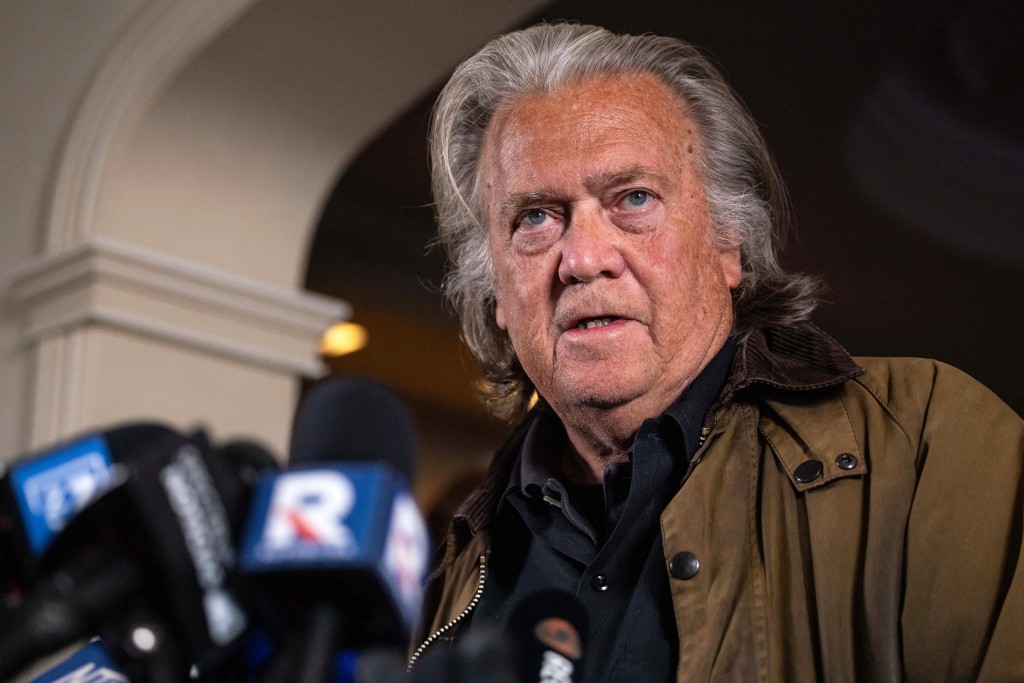
The Justice Department is asking a federal court to throw out Steve Bannon's contempt of Congress conviction, a case the Biden-era department once described as open and shut. Bannon's lawyers do not oppose the move, which leaves no one in the courtroom to defend the verdict.
Bannon refused to cooperate with the House committee that investigated the siege of the U.S. Capitol. He ignored a subpoena and declined to sit for an interview. A Washington, D.C., jury deliberated for less than three hours before convicting him, and a federal appeals court upheld the verdict. Four years later, the department wants the case dropped and the conviction erased "in the interests of justice."
Legal experts say it follows a pattern. "No adversity remains in this serious and high-profile criminal matter between, on the one hand, the U.S. Department of Justice overtly acting at the behest of the president of the United States, and on the other hand, Bannon, the defendant, who is a close political ally and adviser to the same president," said Bruce Searby, a Washington defense attorney and former federal prosecutor. The Justice Department did not respond to a request for comment, and Bannon's lawyers did not return messages.
Searby first noticed the issue in April, when the department asked to vacate the convictions of about a dozen leaders and deputies of the far-right Oath Keepers and Proud Boys. Their seditious conspiracy trials took months, as juries heard how some of the defendants gathered weapons, recruited followers and breached the Capitol. Trump pardoned the vast majority of Jan. 6 defendants on his first day back in office. In a recent interview with 60 Minutes he took credit for the pardons. "I don't think any group's been treated more unfairly than them," he said.
For the more senior Oath Keepers and Proud Boys figures, the administration took a different route, telling judges that dismissal was in "the interests of justice," the same rationale it now uses for Bannon. Lawyers for Rep. Jamie Raskin, D-Md., who served on the House Jan. 6 committee, urged an appeals court last spring to appoint a friend of the court to defend the convictions. Judges have done so before, in the cases of Michael Flynn and Eric Adams.
Judges ultimately dismissed the Jan. 6 charges without appointing outside counsel, though not happily. "Today's epilogue diminishes the gravity of that day, denigrates the work of the prosecutors and law enforcement officers who secured these convictions, and excuses criminal acts that caused a centuries-long pillar of our democracy—the peaceful transfer of presidential power—to buckle," wrote U.S. District Judge Amit Mehta.
The Bannon request now sits with U.S. District Judge Carl Nichols, who presided over Bannon's 2022 trial. In a filing last week, the department said it would use its prosecutorial discretion to dismiss the indictment. Deputy Associate Attorney General Michael Weisbuch wrote that it was not appropriate to pursue the case because Bannon said he believed executive privilege protected him. Weisbuch also argued the judge lacks authority to reject the unopposed motion, and that even if review were proper, the "policy-laden grounds for dismissal" are "not susceptible to judicial second-guessing."
Searby said Nichols should not accept that at face value, and that dismissal should not be a foregone conclusion. An outside lawyer, he said, could assess whether the department's actions amount to an abuse of prosecutorial discretion, meaning they were taken in bad faith, tainted with impropriety or contrary to the public interest.
Critics and good-government groups say the administration has been exploiting a legal system built to hear two opposing sides. They point to Trump's lawsuit against his own government over the leak of his tax returns, which ended in a settlement giving him and his sons immunity from tax audits. Attorney General Todd Blanche, who once defended Trump, faced pointed questions about that deal during his confirmation fight in August. The Senate approved his nomination by a single vote.