Supreme Court Clears Path for Steve Bannon Contempt Conviction to Be Dismissed
DOJ moves the same day to drop the 2022 charges against Trump's longtime adviser, in an unprecedented executive-branch reversal of a completed conviction.
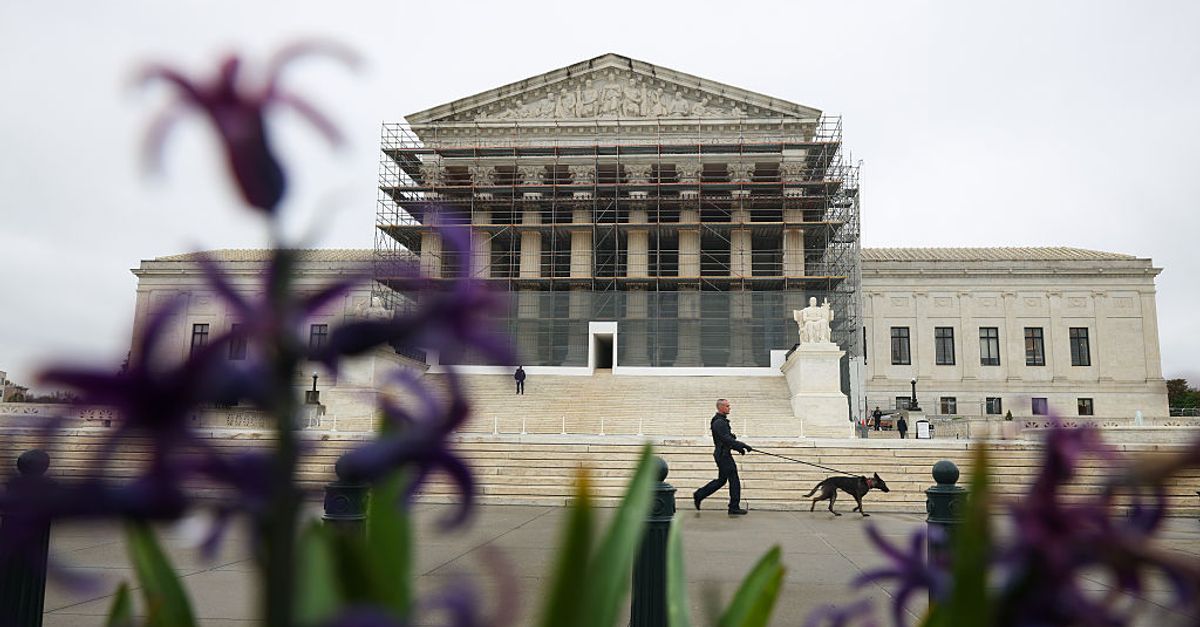
The U.S. Supreme Court on Wednesday cleared the way for Steve Bannon, President Donald Trump's longtime political adviser, to seek dismissal of his 2022 contempt-of-Congress conviction, vacating a lower-court ruling that had stood in his way and remanding the case to the federal trial court in Washington. Within hours, the U.S. Department of Justice — now under acting Attorney General Marco Rubio after Trump fired Pam Bondi last month — filed a motion to dismiss the charges altogether, a move that defense attorneys say all but ensures Bannon will avoid further punishment.
Bannon was convicted in July 2022 of two counts of contempt of Congress for defying a subpoena from the House select committee that investigated the January 6, 2021 Capitol attack. He was sentenced to four months in prison, served the full term in late 2024 after his appeals were exhausted, and was released just days before Trump's January 2025 inauguration. The conviction had remained on appeal at the time of his release. The Supreme Court's two-paragraph order vacated the ruling of the U.S. Court of Appeals for the D.C. Circuit and sent the case back to the U.S. District Court for the District of Columbia for further consideration in light of intervening Supreme Court precedent on congressional subpoena enforcement.
The Justice Department's same-day motion to dismiss represents an extraordinary departure from past practice. Federal prosecutors almost never move to undo their own successful convictions, and legal scholars said they could find no comparable instance in the modern era of a contempt-of-Congress conviction being dropped after the defendant had completed his sentence. "This is not a pardon and it is not an appeal in the conventional sense," said Stephen Vladeck, a law professor at Georgetown. "It is the executive branch using its prosecutorial discretion to retroactively vindicate a defendant whose original prosecution it now considers improper."
Bannon, in a statement posted to his War Room broadcast, called the Supreme Court's order "complete vindication" and accused the January 6 select committee of having engaged in "a partisan witch hunt" that "every honest person knew was illegal." His attorney, David Schoen, said the dismissal motion would be heard in district court next week and that he expected the case to be closed by the end of the month. The select committee disbanded with the end of the 117th Congress, and Republican leaders have repeatedly refused Democratic requests to release sealed transcripts and exhibits compiled during its 18-month investigation.
The order is the latest in a string of legal reversals that have rolled back January 6-related prosecutions since Trump took office. The president on his first day pardoned roughly 1,500 defendants convicted in the riot itself, and the Justice Department has since dropped pending charges against another 800. Wednesday's order, however, is the first time the Supreme Court itself has intervened to undo a January 6-related conviction. Civil-rights groups and former federal prosecutors warned that the cumulative effect of the rulings and dismissals is to gut the legal architecture Congress has historically used to compel testimony from members of the executive branch, leaving future congressional inquiries — regardless of which party holds power — without meaningful enforcement tools.
Originally reported by SCOTUSblog.