Supreme Court Asked to Restore Abortion Pill Access by Mail
Federal appeals court temporarily halted FDA regulation that greatly expanded access to mifepristone through postal delivery.

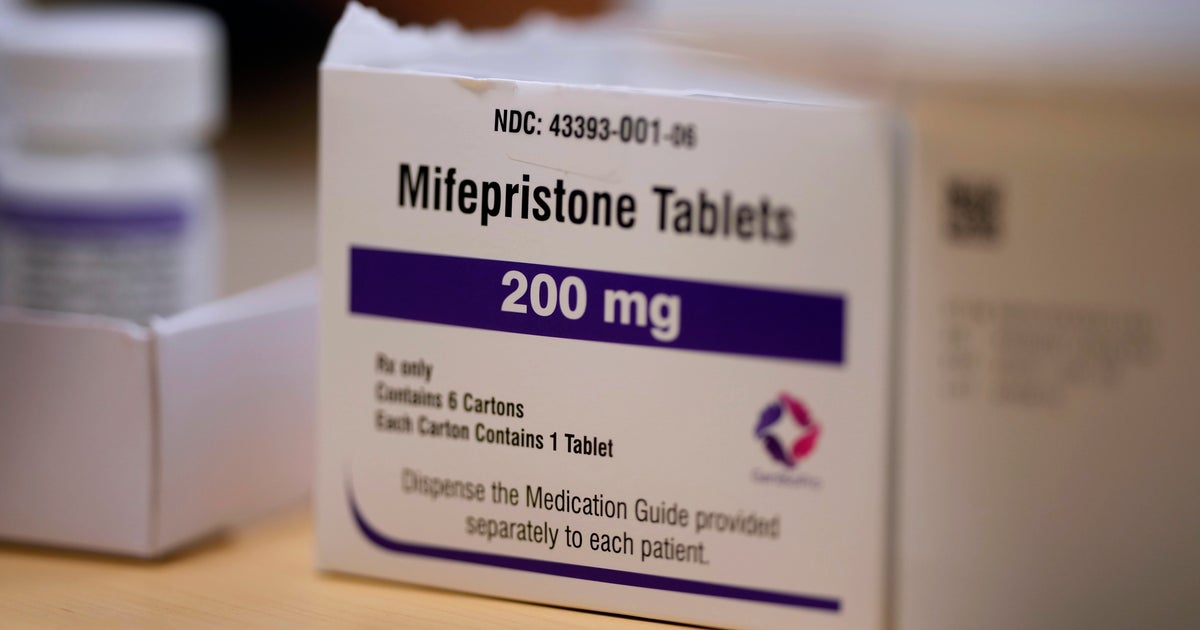
The Supreme Court is being asked to restore access to the abortion pill mifepristone by mail after a federal appeals court temporarily halted a Food and Drug Administration regulation that had significantly expanded access to the medication. The legal challenge represents the latest battleground in ongoing disputes over reproductive rights and medication access in the aftermath of the Court's previous abortion-related decisions.
The FDA regulation in question had allowed mifepristone to be distributed through postal services, removing previous requirements that the medication be dispensed only through in-person visits to certified healthcare providers or facilities. This change had dramatically increased access to the abortion pill, particularly for women in rural areas or states with restrictive abortion laws who faced significant barriers to obtaining the medication through traditional channels.
The appeals court's temporary injunction has effectively suspended the mail-order distribution system, forcing women seeking mifepristone to return to more restrictive access protocols. The decision has created uncertainty for both patients and healthcare providers who had relied on the expanded access framework to provide reproductive healthcare services, particularly in areas where abortion services are limited or heavily regulated.
Legal experts note that the case highlights broader tensions between federal regulatory authority and state-level restrictions on reproductive healthcare. The FDA's original decision to expand mifepristone access was based on extensive clinical data showing the safety and effectiveness of the medication when used according to approved protocols, but opponents have argued that mail-order distribution poses additional safety risks.
The Supreme Court's eventual decision on this matter could have far-reaching implications for how prescription medications are regulated and distributed, extending beyond reproductive healthcare to potentially affect access to other controlled substances. The case also reflects ongoing political and legal battles over reproductive rights, with advocates on both sides closely watching how the Court will balance federal regulatory authority against concerns about medication safety and access.