Fifth Circuit Court Blocks Abortion Pill Access by Mail in Major Ruling
Federal appeals court decision overturns FDA regulation allowing mifepristone to be sent to patients, forcing in-person clinic visits nationwide.

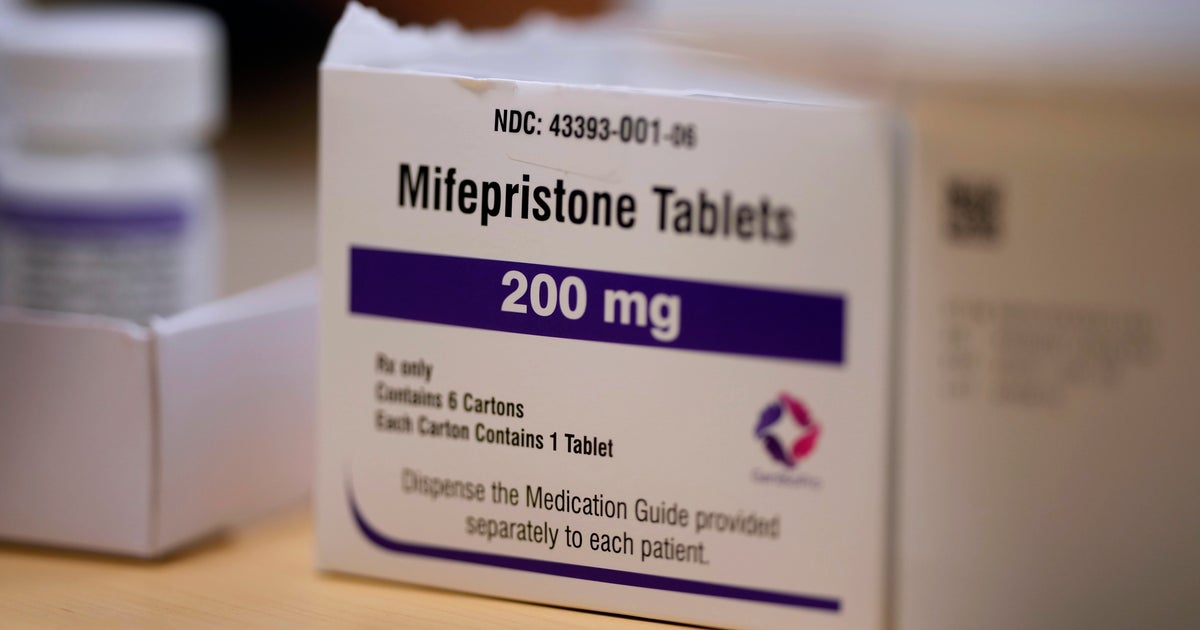
A federal appeals court ruling has dramatically altered abortion access across the United States by blocking a Food and Drug Administration regulation that allowed the abortion pill mifepristone to be delivered by mail. The Fifth Circuit Court of Appeals temporarily halted the FDA rule, reinstating a requirement that patients must visit a healthcare provider in person to obtain the medication. The decision represents one of the most significant restrictions on abortion access since the Supreme Court overturned Roe v. Wade.
The ruling upends a policy that had greatly expanded access to medication abortion, particularly for women in rural areas or states with restrictive abortion laws. Mifepristone, used in combination with misoprostol, accounts for more than half of all abortions performed in the United States. The FDA had previously allowed the medication to be prescribed via telemedicine consultations and mailed directly to patients during the COVID-19 pandemic, a policy that was later made permanent.
Abortion providers across the country are now scrambling to adapt to the new restrictions, which took effect immediately upon the court's ruling. Clinics that had been serving patients through telehealth appointments must now accommodate in-person visits, creating potential bottlenecks and delays for women seeking the time-sensitive medication. The change is particularly challenging for providers in states where abortion remains legal but clinic capacity is limited.
Drugmakers and abortion rights advocates have already filed an emergency petition with the Supreme Court, seeking to restore mail access to mifepristone while the case proceeds through the courts. The petition argues that the Fifth Circuit's decision contradicts decades of FDA approval and safety data for the medication. Legal experts note that the case could ultimately determine how federal drug regulations interact with state abortion laws in the post-Roe landscape.
The broader implications of the ruling extend beyond abortion access, potentially affecting how federal agencies regulate medications and whether court decisions can override scientific determinations by federal health authorities. As the legal challenge moves forward, millions of women seeking abortion care may face additional barriers and delays in accessing what has become the most common method of ending early pregnancies in America.