Federal Appeals Court Temporarily Blocks Abortion Pill Access by Mail
Louisiana lawsuit leads to emergency halt of FDA regulation that expanded mifepristone distribution nationwide.

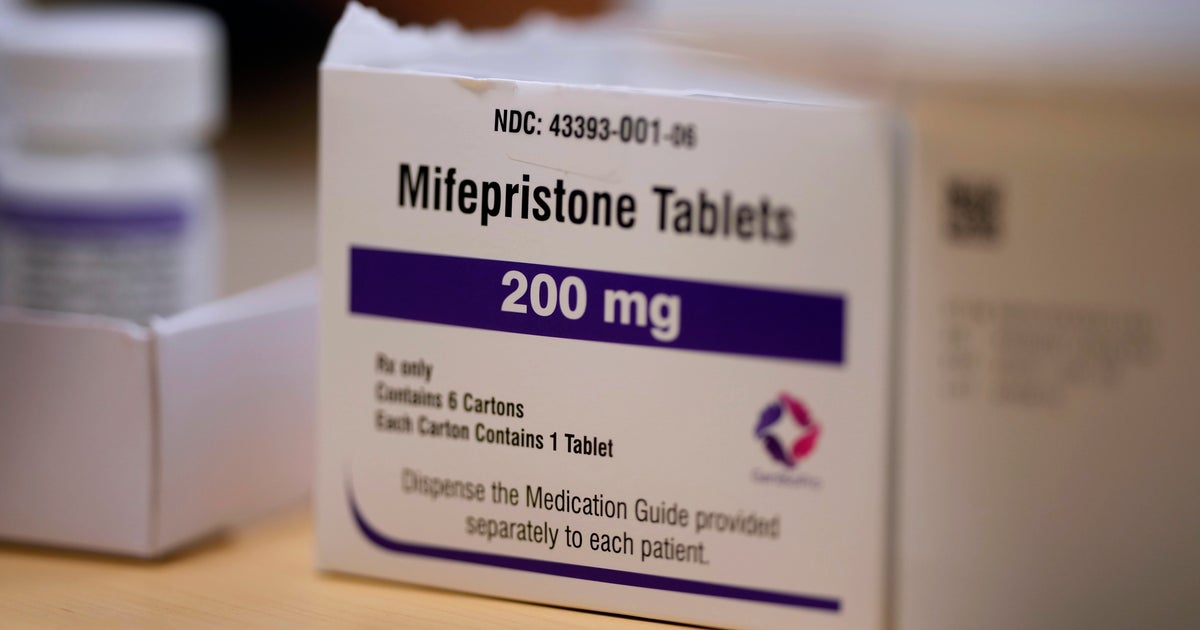
A federal appeals court issued an emergency order Friday temporarily blocking access to abortion pills by mail, marking a significant setback for reproductive rights advocates nationwide. The court ruling came in response to a lawsuit filed by the state of Louisiana challenging a Food and Drug Administration regulation that had greatly expanded access to the abortion pill mifepristone through mail-order distribution.
The FDA regulation in question had allowed certified healthcare providers to prescribe mifepristone remotely and have the medication shipped directly to patients' homes, eliminating the requirement for in-person visits in many cases. This policy change had been viewed as a major expansion of abortion access, particularly for women in rural areas or states with restrictive abortion laws who previously faced significant barriers to obtaining the medication.
Louisiana state officials argued in their lawsuit that the FDA's mail-order policy violated federal safety regulations and put women's health at risk. The state contended that requiring in-person medical supervision was essential for the safe administration of mifepristone, citing concerns about potential complications and the need for immediate medical intervention if problems arose during the medication abortion process.
The appeals court's temporary injunction effectively pauses the FDA's mail-order regulation while the legal challenge proceeds through the courts. This means that patients seeking mifepristone will likely need to return to in-person clinic visits to obtain the medication, potentially creating new obstacles for women seeking abortion care. The ruling affects distribution nationwide, not just within Louisiana's borders.
Reproductive rights organizations immediately condemned the court's decision, arguing that it would disproportionately harm low-income women and those in rural communities who rely on telemedicine and mail delivery for healthcare access. The case represents the latest front in ongoing legal battles over abortion access since the Supreme Court's decision to overturn Roe v. Wade, with states and federal agencies continuing to clash over regulations governing reproductive healthcare services.