Supreme Court Temporarily Restores Mail Access to Abortion Pill Mifepristone
High court intervenes after lower court reinstated FDA requirement for in-person visits to obtain medication abortion drug.

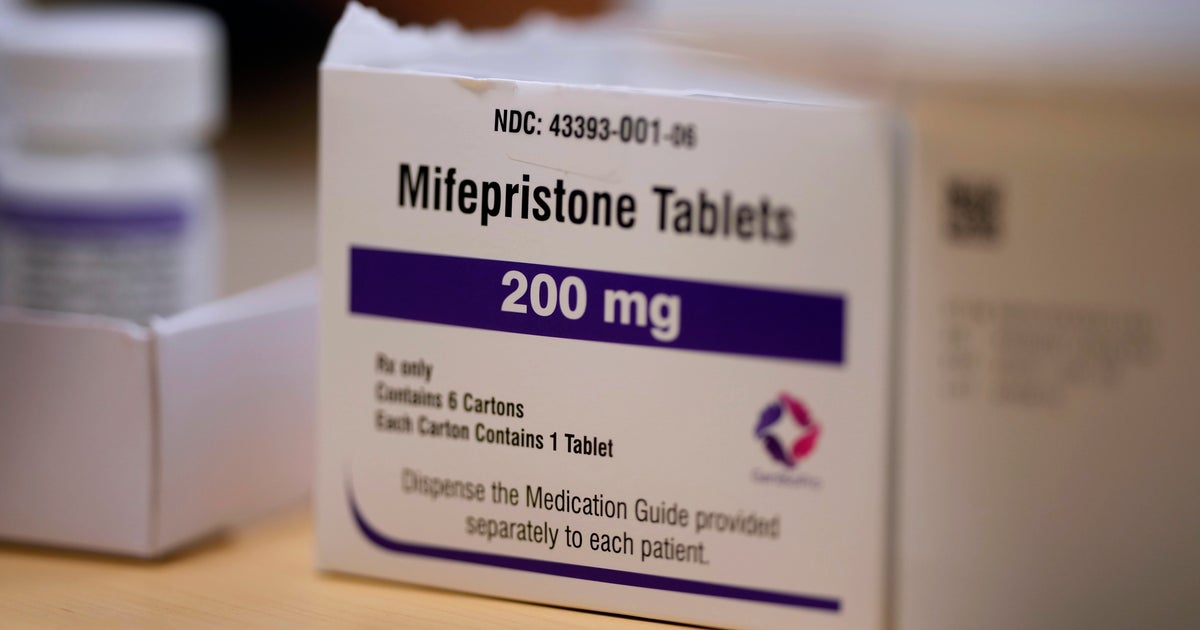
The Supreme Court on Monday temporarily restored access to the abortion pill mifepristone through mail delivery, blocking a lower court ruling that would have required patients to visit healthcare providers in person to obtain the medication. The emergency intervention comes as the court prepares to hear arguments in a Louisiana lawsuit that could have nationwide implications for abortion access.
The lower court ruling had reinstated a Food and Drug Administration requirement that patients visit a health care provider in person to obtain mifepristone, effectively ending the telehealth prescribing and mail delivery system that has been in place since the pandemic. The Louisiana lawsuit seeks to completely block telehealth prescribing and mailing of the abortion pill, which is used in more than half of all abortions in the United States.
Mifepristone, when used in combination with another medication called misoprostol, can safely terminate pregnancies up to 10 weeks. The FDA originally approved the drug in 2000 with strict safety protocols, but has gradually relaxed restrictions over the years. During the COVID-19 pandemic, the agency temporarily allowed patients to receive the medication through telehealth consultations and mail delivery to reduce in-person medical visits.
The Supreme Court's temporary order allows the mail delivery system to continue operating while the justices consider the broader legal challenge. Legal experts say the case represents one of the most significant abortion-related disputes to reach the high court since the overturning of Roe v. Wade in 2022. The Louisiana lawsuit argues that the FDA's current regulations are insufficient to protect patient safety and that stricter oversight is necessary.
The outcome of this case could dramatically affect abortion access across the country, particularly in states where abortion remains legal but where patients may have limited access to healthcare providers. Reproductive rights advocates argue that requiring in-person visits creates unnecessary barriers and delays that can push pregnancies beyond the window for medication abortion. The court is expected to hear full arguments in the coming months, with a decision likely before the end of the current term.