Supreme Court Clears Path for Dismissal of Steve Bannon's Contempt Conviction
The court vacated the appeals ruling upholding Bannon's jury conviction, letting the Trump DOJ proceed with dropping the case.
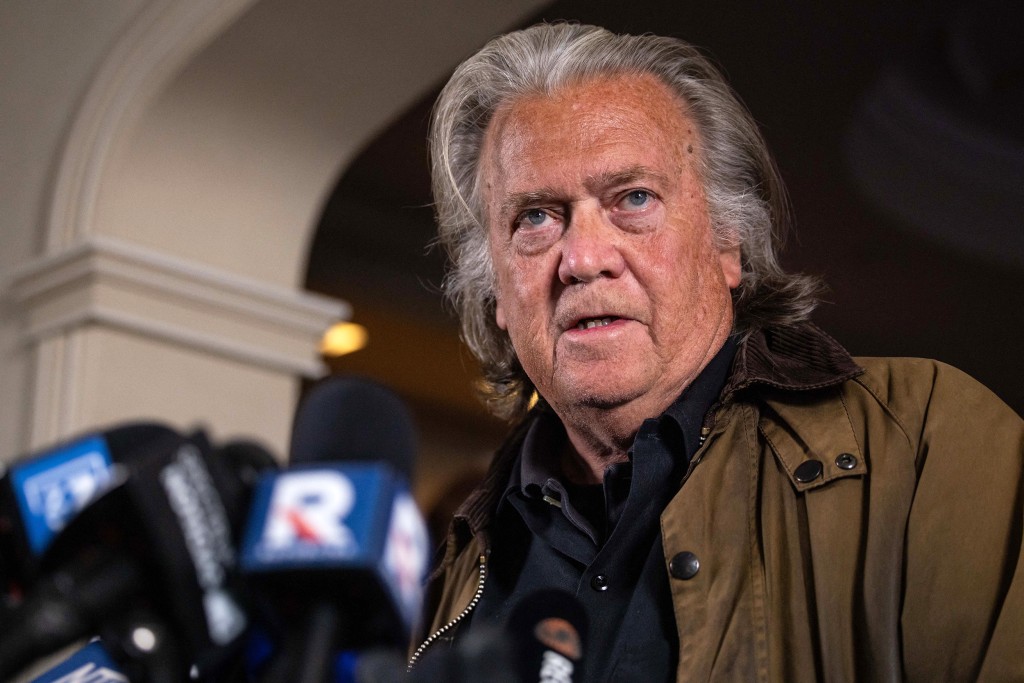
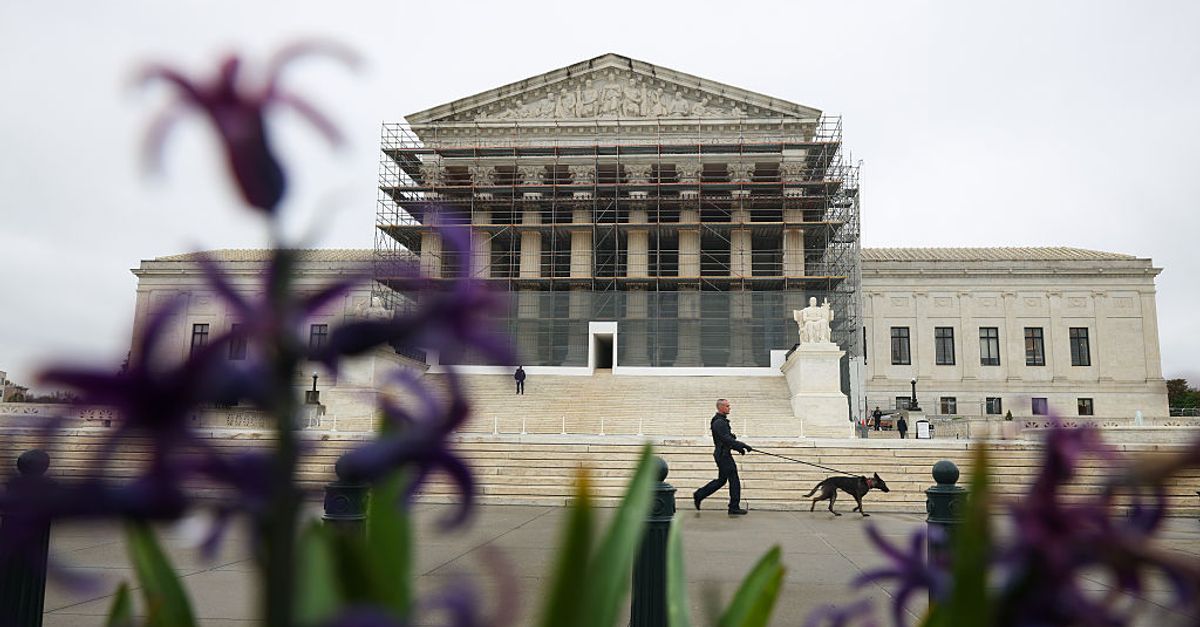
The U.S. Supreme Court on Monday paved the way for the dismissal of Steve Bannon's contempt of Congress conviction, vacating the federal appeals court ruling that had upheld his jury verdict and sending the case back to the district court. The order clears a legal path for the Trump Justice Department, which had already moved in February to drop the prosecution, to finalize that dismissal without further appellate obstruction.
Bannon, 72, the former White House chief strategist, was convicted in 2022 of two counts of contempt of Congress after defying a subpoena from the House Select Committee investigating the January 6, 2021 Capitol attack. He had refused to produce documents and declined to sit for a deposition, telling investigators that President Trump had asserted executive privilege — a claim disputed by the committee. Bannon served four months in federal prison in 2023 and 2024 after a separate appeals court rejected his request to delay his sentence while he pursued his appeal.
The Trump Justice Department informed the court in February that it would seek dismissal of the charges, citing what it described as "the interests of justice." The Supreme Court's order moots the pending appeal and returns the case to U.S. District Judge Carl Nichols in Washington, who is expected to formally grant the dismissal. Legal experts said the ruling was largely procedural given the time Bannon has already served, but noted its significance as an emblem of the broader reversal in federal prosecutions stemming from the January 6 investigation. Many other cases brought by the Biden-era Justice Department have similarly been dropped or reversed under the current administration.
Bannon's legal team had argued in his defense that he acted in good faith on the advice of counsel and in reliance on Trump's assertion of executive privilege. The government under Biden maintained that executive privilege does not shield a private citizen — Bannon had left the White House in 2017, five years before January 6 — from compliance with a lawful congressional subpoena. The jury agreed with the Biden-era government's view and convicted Bannon on both counts in under three hours of deliberation. Critics of Monday's outcome argue that the dismissal represents a politicization of the Justice Department and undermines Congress's oversight authority.
The case had become one of the most politically charged in the long-running legal aftermath of January 6. At the height of the original prosecution, Bannon defiantly predicted he would be acquitted and accused the committee of running a "show trial." After his conviction and imprisonment, he continued to host his "War Room" podcast and maintain a prominent public profile within the MAGA movement. The Supreme Court's decision to clear the path for dismissal closes one of the last active legal fronts from the January 6 committee's referrals, though civil litigation and other investigations into the events of that day continue in separate proceedings.