Hungary's China Partnership Unravels as Voters Reject Orban's Beijing Strategy
A massive Chinese battery factory helped bring down Viktor Orban as environmental concerns in Debrecen exposed the limits of Beijing's European influence through Hungary.

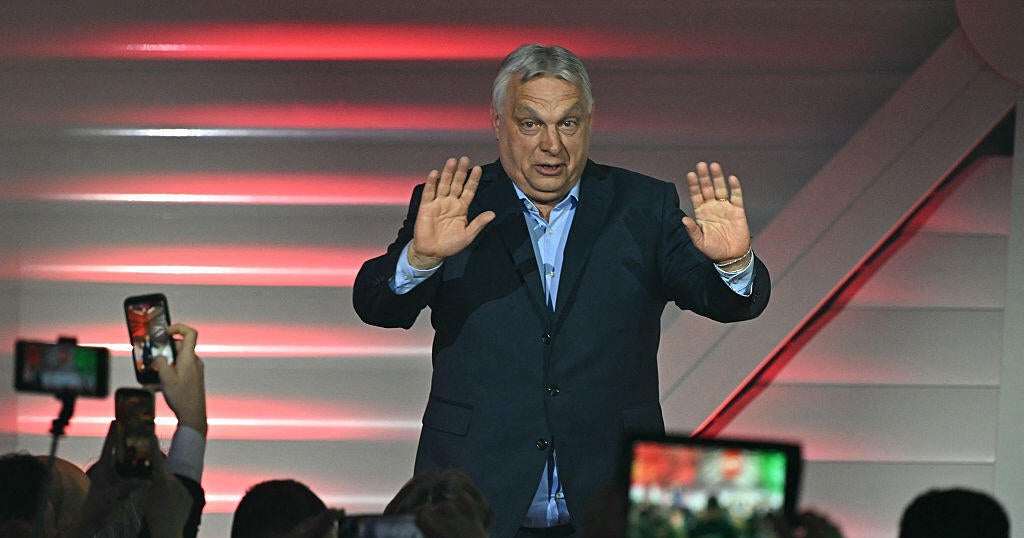
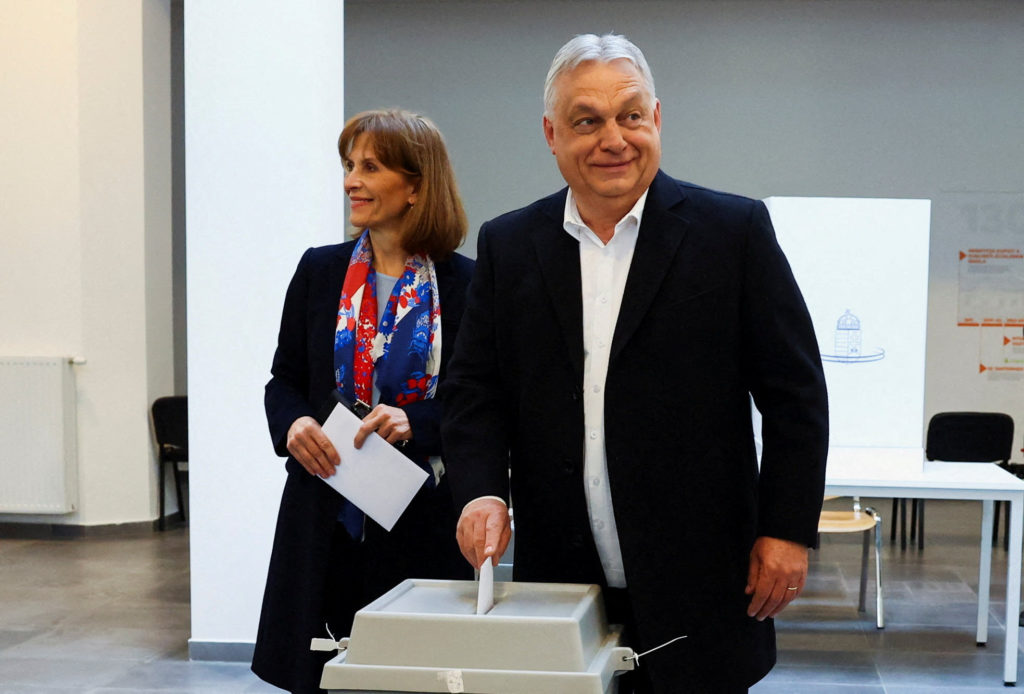
A political earthquake in Hungary has exposed the limits of China's strategy to gain influence in Europe through its close relationship with now-outgoing Prime Minister Viktor Orban. The $8.5 billion Chinese lithium battery factory under construction in Debrecen, hailed by Orban as proof of the economic benefits of his Beijing ties, instead became a symbol of voter discontent that contributed to his stunning electoral defeat. The project, representing the biggest Chinese investment in Europe, helped bring about Orban's downfall in the April 12 election when his Fidesz party lost all its parliamentary seats in the eastern city.
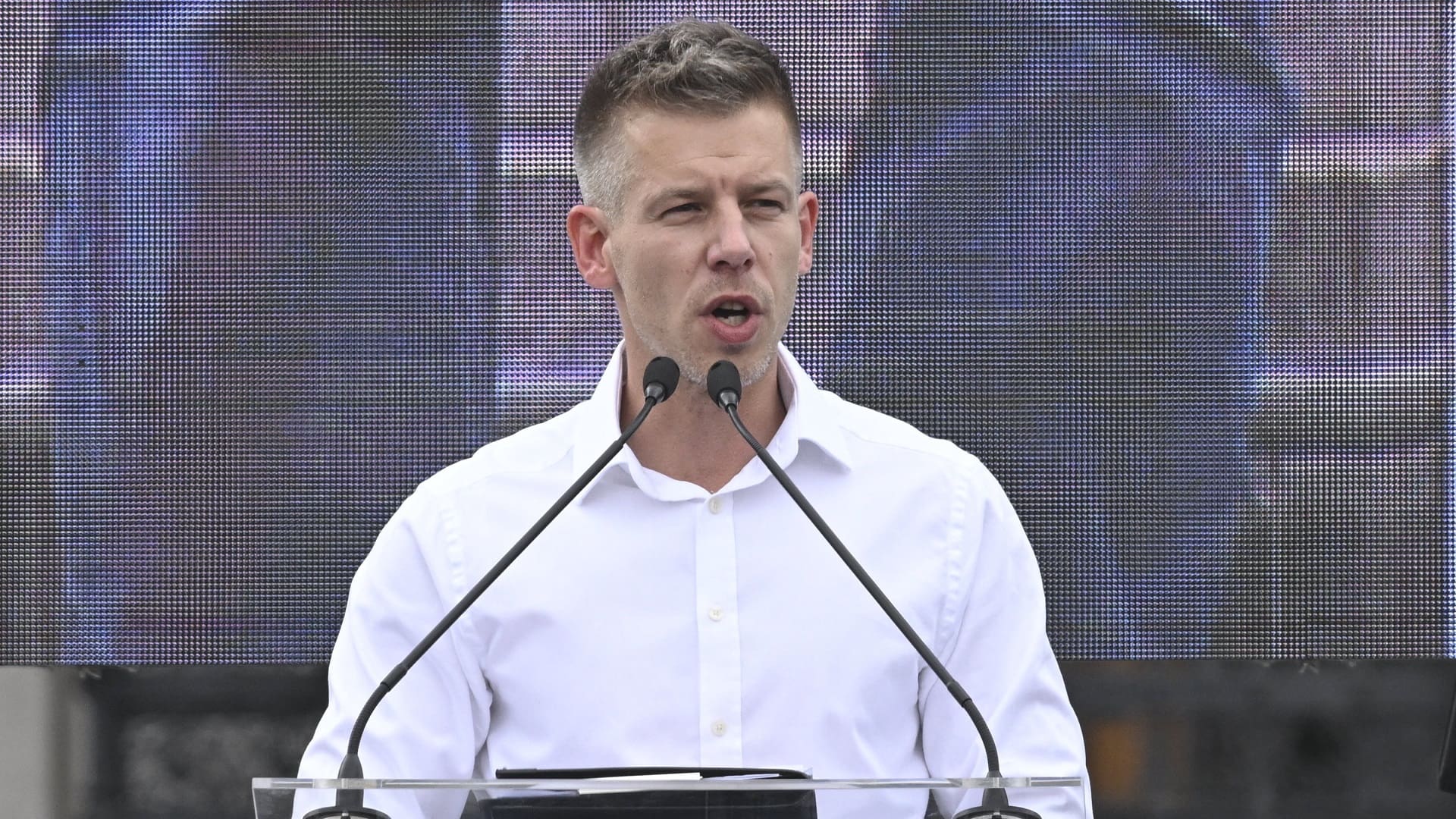
Peter Magyar, leader of the upstart Tisza movement that swept Orban from power, successfully campaigned against the environmental risks posed by the massive battery plant. Magyar's message resonated strongly in Debrecen, a city that had been a bastion of rock-solid support for Fidesz for years. Voters expressed deep concerns about potential toxic waste, the Orban government's lax enforcement of environmental regulations, threats to their water supply, and the closure of a railway line crossing land purchased by the Chinese company.
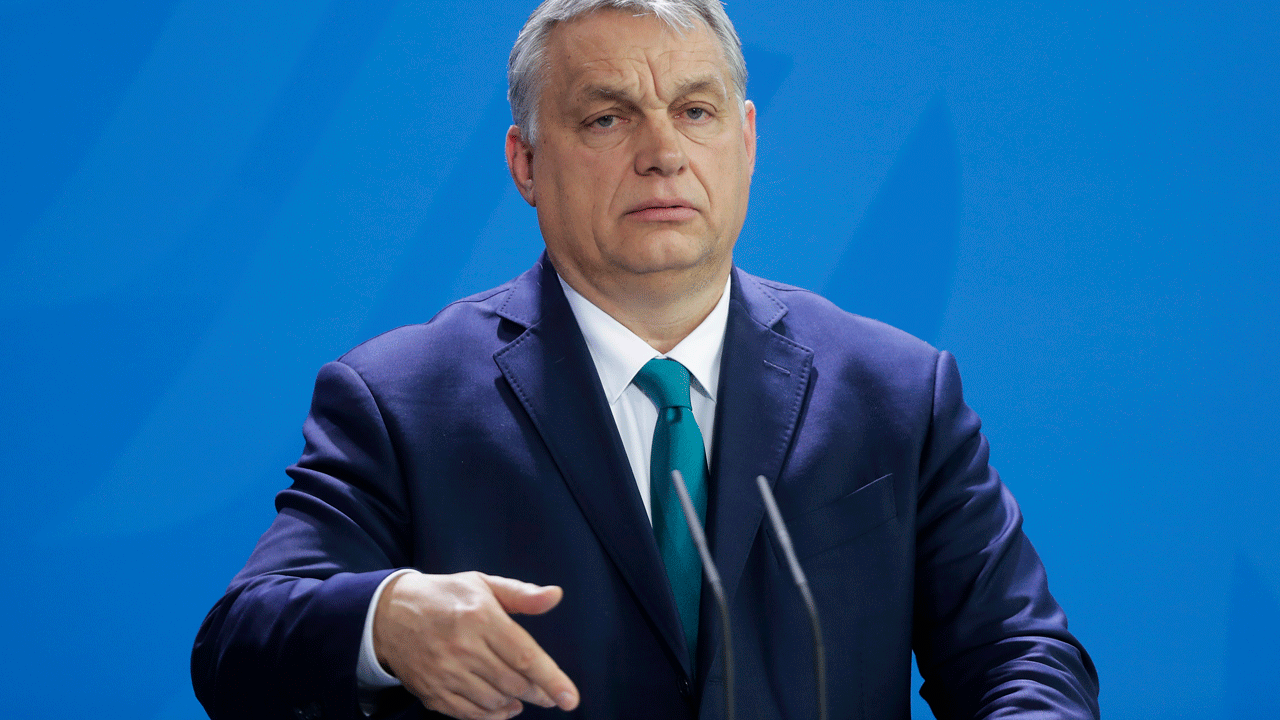
The gigantic Chinese facility, under construction for three years on the edge of Hungary's second-largest city, has not yet begun production but already cast a long shadow over Hungarian politics. Orban had positioned his close relationship with China as a key pillar of his foreign policy, arguing that economic partnerships with Beijing would bring prosperity to Hungary while allowing the country to maintain strategic independence from both Russia and the West. The factory was meant to demonstrate the tangible benefits of this approach.
Magyar, set to be sworn in as prime minister Saturday in Budapest, now faces the delicate task of balancing voter demands with economic realities. He has promised to "review" but not halt the battery plant, attempting to satisfy constituents who opposed the project while avoiding economic disruption. Magyar's initial priority is repairing Hungary's strained relationship with the European Union and unlocking nearly $20 billion in frozen EU funding that had been withheld due to concerns about rule of law under Orban.
The Hungarian election results represent a significant setback for China's broader strategy of building influence within the European Union through partnerships with friendly governments. Beijing had relied heavily on Orban's leadership to provide a foothold in Europe and advocate for Chinese interests within EU institutions. The incoming Magyar government's promise to align more closely with EU positions toward China as a "systemic rival" suggests that this pathway for Chinese influence may be closing, forcing Beijing to reconsider its approach to European engagement.