Hungarians Vote in Landmark Election That Could End Orbán's 16-Year Hold on Power
Record turnout — over 54% by midmorning — signals massive mobilization as opposition leader Péter Magyar and his Tisza Party lead in final polls by as many as 13 points.

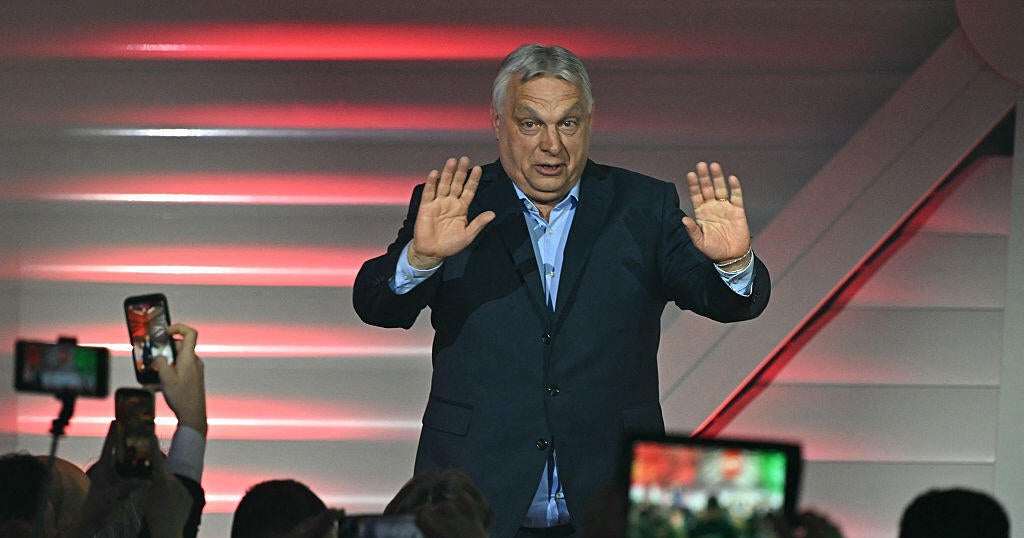
Hungarians cast ballots Sunday in what analysts called the most consequential election in the country's post-communist history, as Prime Minister Viktor Orbán faced the strongest challenge of his 16-year grip on power from Péter Magyar and his upstart Tisza Party. Polling stations opened at 6 a.m. local time and closed at 7 p.m., with early turnout figures pointing to historic participation levels.
By 11 a.m., the National Election Office reported that 54.14 percent of registered voters had already cast ballots — a post-communist record — with nearly one million more people voting by midmorning than at the same point in the 2022 election. The surge reflected the intense polarization of a race that has drawn attention from Washington, Brussels, Kyiv, and Moscow.
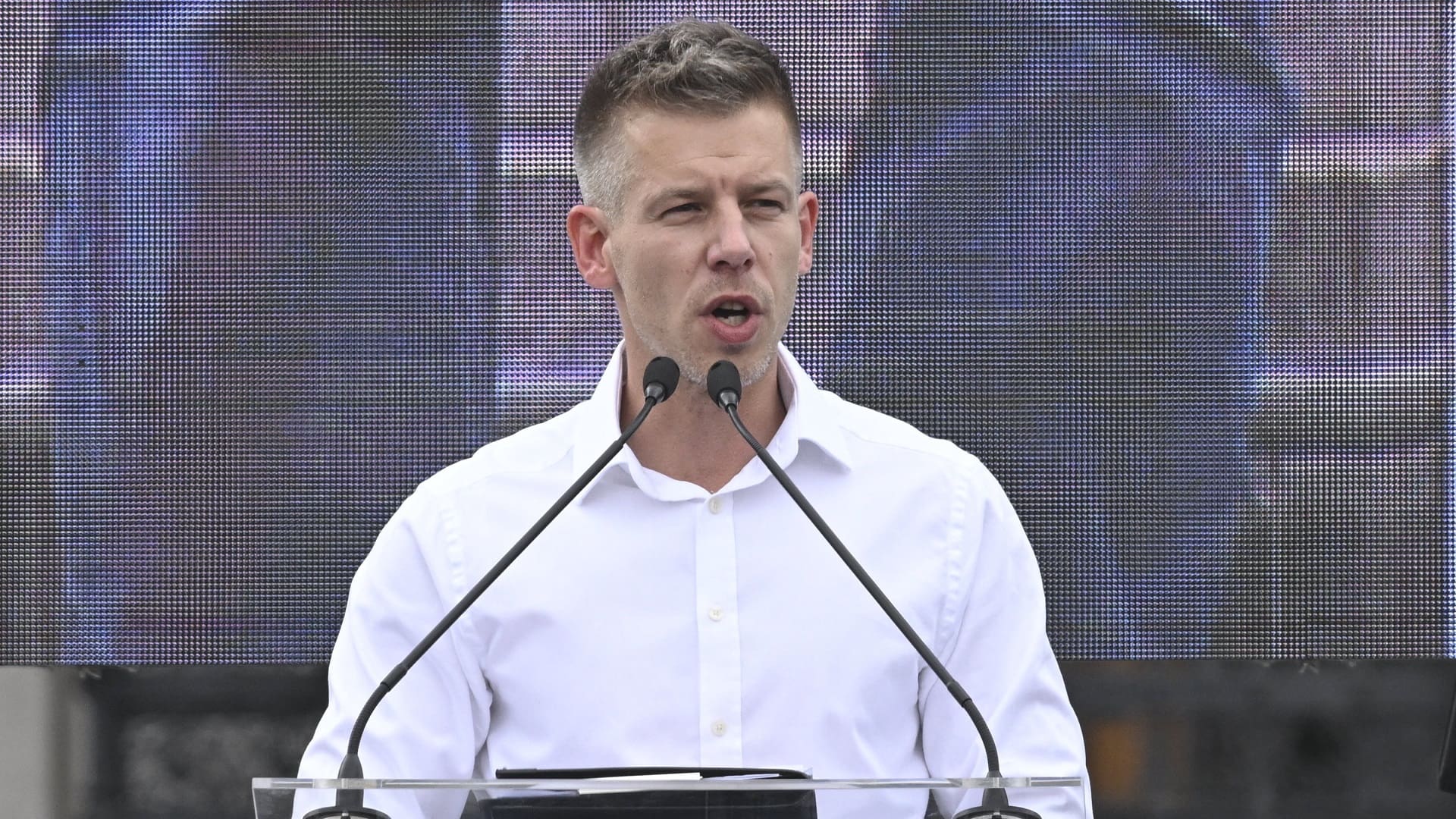
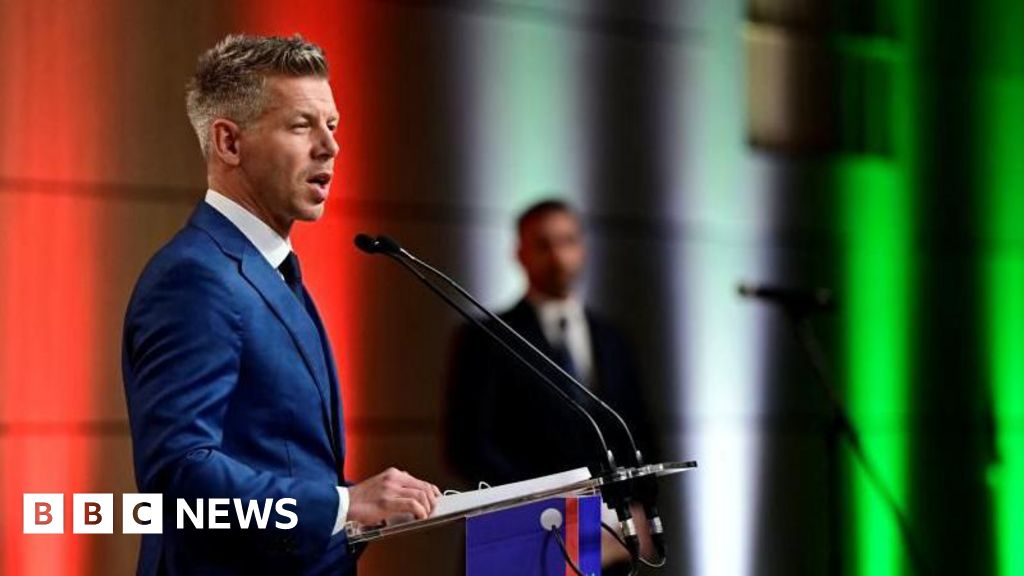
Magyar, a 43-year-old former government insider who founded the Tisza Party in 2024 after breaking with the Orbán administration over a child sexual abuse pardon scandal, framed the election in stark terms as voters arrived at polling stations. "This is a choice between East or West, propaganda or honest public discourse, corruption or clean public life," he told supporters in Budapest. Magyar cast his ballot at a polling station in the city's first district, while Orbán voted separately in his home district.
Final polling ahead of the vote showed Tisza leading Fidesz by substantial margins. The IDEA Institute, an independent pro-democracy research group, showed Tisza with 50 percent of decided voters to Fidesz's 37 percent. Other pollsters put the gap at between seven and nine percentage points, with Tisza at 38 to 41 percent. Medián, one of Hungary's most established polling firms, projected the opposition could win a two-thirds parliamentary majority — though Fidesz officials disputed those figures, arguing their rural core voters were systematically undercounted.
Orbán, who has governed with a parliamentary supermajority since 2010 after steadily dismantling the independence of courts, media, and electoral institutions, received vocal support from President Trump and Vice President JD Vance in the final weeks of the campaign. Vance visited Budapest for an Orbán campaign rally, telling the crowd: "We have got to get Viktor Orbán reelected as prime minister of Hungary." Trump posted on Truth Social calling Orbán a strong leader whom he hoped would prevail. The Trump administration's backing reflected Orbán's status as a hero of the global far right and a model for the kind of "illiberal democracy" that populist movements in Europe and America have championed.
But if election day polls were any guide, international endorsements were not moving the needle. Magyar's campaign drew massive crowds across the country through 2025 and early 2026, with particularly strong showings in rural areas where Fidesz had long been dominant. Analysts noted that Magyar successfully recruited candidates in districts that opposition parties had ceded to Fidesz for years.
The stakes extended well beyond Hungary's borders. A Tisza victory could unlock the €30 billion in European Union recovery funds that Brussels has frozen over rule-of-law concerns, dramatically alter Budapest's posture toward Ukraine and Russia, and shift the internal politics of the EU where Orbán's vetoes have repeatedly blocked collective action on sanctions and defense spending. Hungarian Conservative outlets close to Fidesz dismissed the opposition surge as a media fabrication driven by foreign NGOs.
Analyst Szabolcs Dull summarized the moment succinctly before polls closed: "This is the first election with genuine stakes, as Orbán now faces a single challenger capable of winning." First preliminary results were expected shortly after the 7 p.m. closing time, with a full picture anticipated later Sunday night.