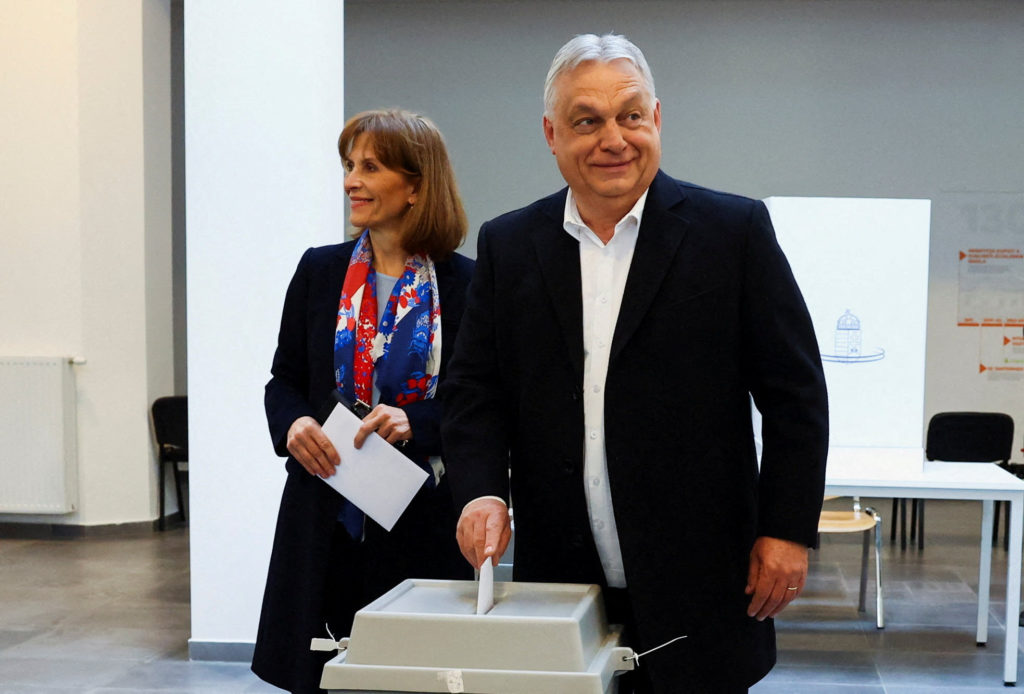
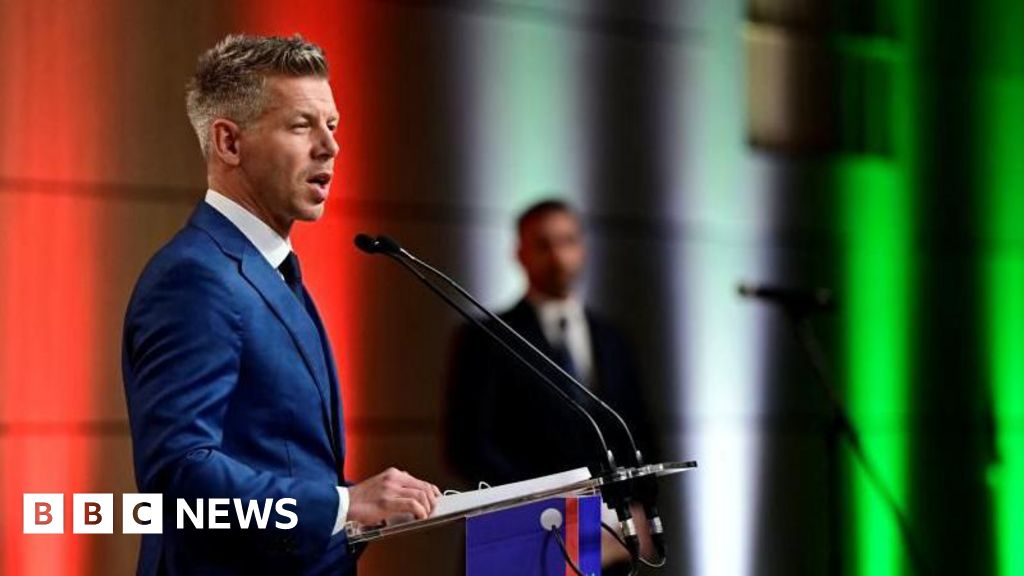
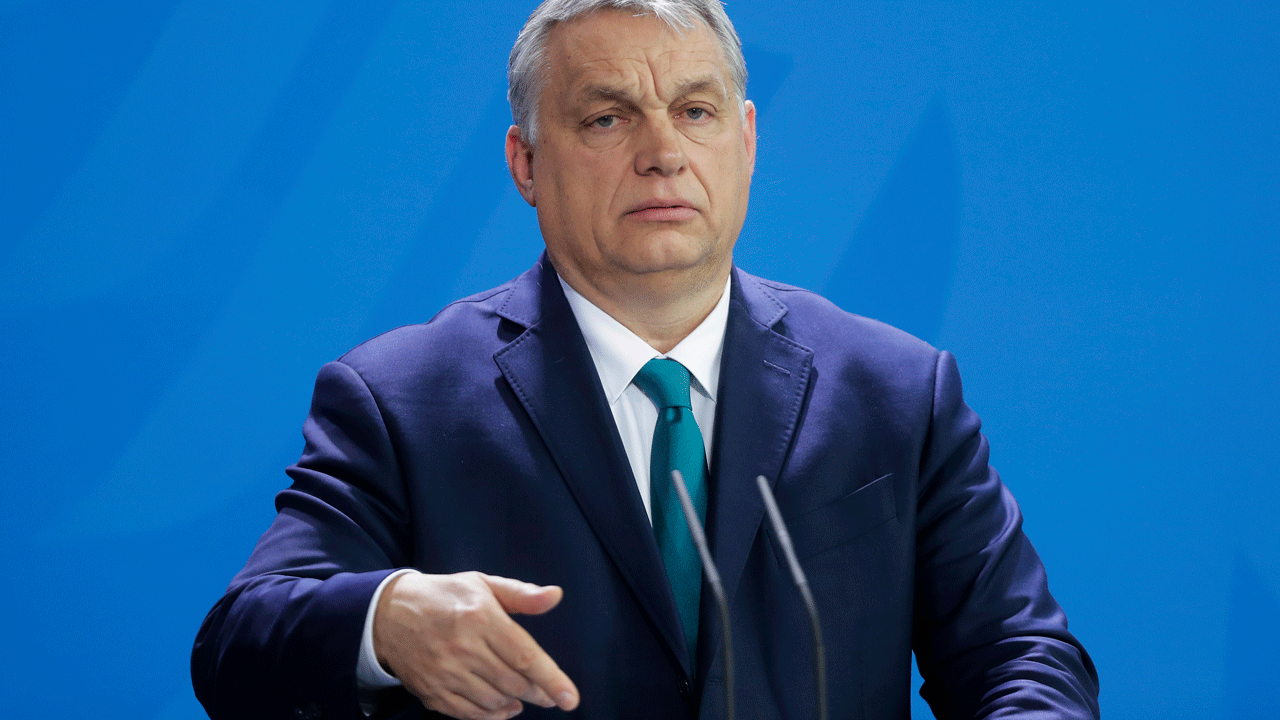
Viktor Orbán's 14-Year Rule Ends as Peter Magyar Scores Historic Hungarian Election Victory
Magyar's stunning defeat of the longtime prime minister could dramatically ease Hungary's tensions with the European Union after years of confrontation.
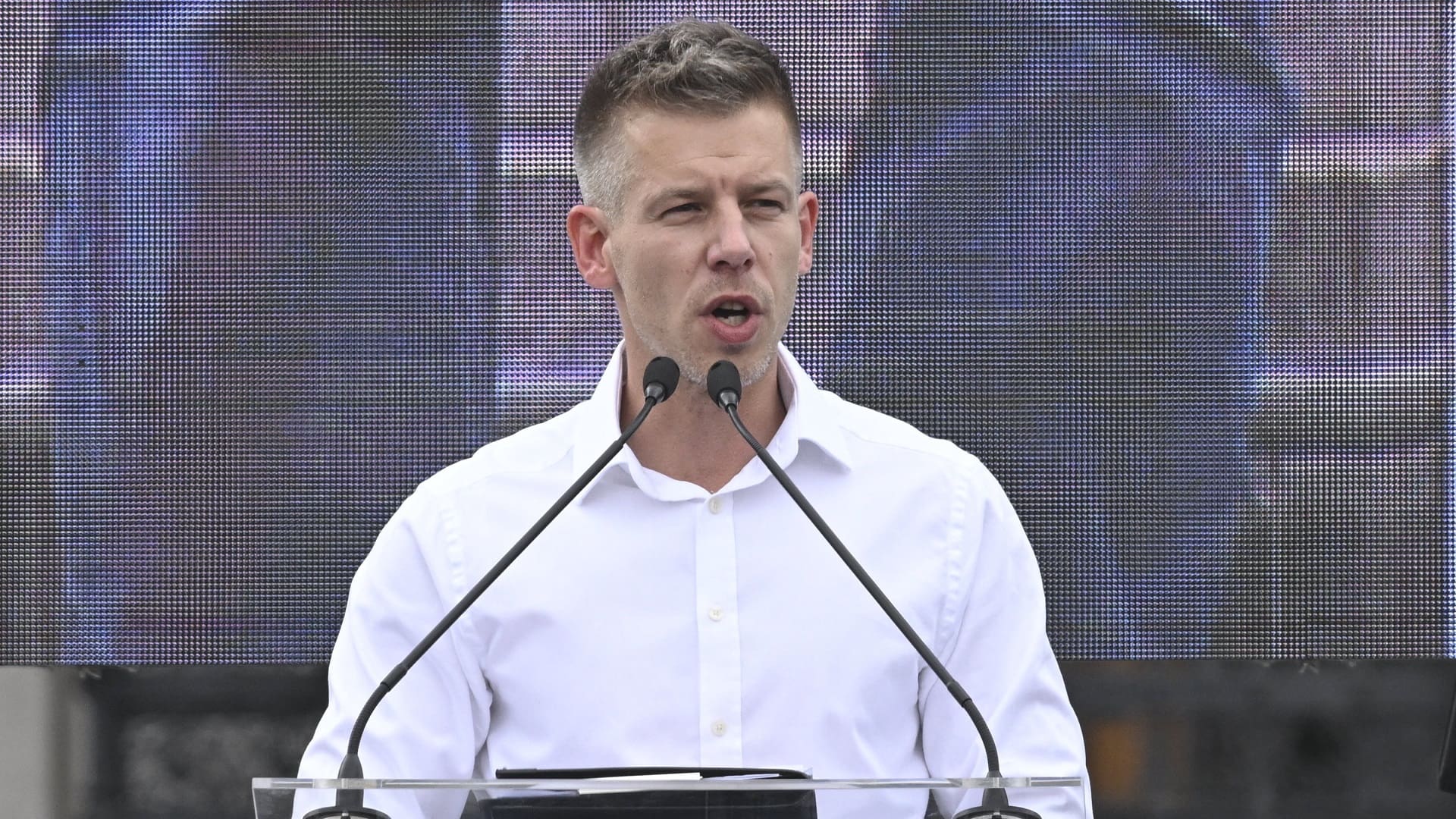
Prime Minister Viktor Orbán's 14-year dominance of Hungarian politics came to a dramatic end as opposition leader Peter Magyar secured a stunning electoral victory that promises to fundamentally reshape Hungary's relationship with the European Union. Magyar's triumph represents one of the most significant political upheavals in Central Europe in recent years, potentially ending years of bitter confrontation between Budapest and Brussels over rule of law, democratic institutions, and EU integration.
Orbán has served as one of the European Union's most persistent internal critics, systematically undermining EU policies and blocking key initiatives through his control of Hungarian government institutions. His Fidesz party's authoritarian drift has included attacks on press freedom, judicial independence, and civil society organizations, creating ongoing tensions with European leaders who have struggled to respond effectively to his challenges to democratic norms within the bloc.
The Hungarian prime minister's obstructionist approach has been particularly pronounced in recent months, as he has used Hungary's position within EU decision-making structures to stymie policies ranging from sanctions against authoritarian regimes to climate change initiatives. His ability to exploit unanimous voting requirements has allowed a small member state to exercise disproportionate influence over continental policies, frustrating larger EU powers and democratic allies.
Magyar's electoral success signals a potential dramatic shift in Hungary's European trajectory, with the new leader expected to pursue closer alignment with EU institutions and democratic partners. European officials have privately expressed optimism that Magyar's government could help resolve longstanding disputes over rule of law mechanisms, judicial reforms, and media freedom that have dominated EU-Hungary relations under Orbán's leadership.
The transition from Orbán to Magyar represents more than a simple change in leadership; it potentially marks Hungary's return to the mainstream European political community after years of increasing isolation. EU leaders will be closely watching Magyar's early policy decisions to determine whether Hungary can rebuild the constructive partnerships that characterized its relationship with Brussels before Orbán's authoritarian turn. The outcome of this political transformation could have significant implications for EU cohesion and effectiveness in addressing both internal challenges and external threats.