Hungary's Orbán Concedes Defeat After 16 Years as Peter Magyar Wins Two-Thirds Supermajority
Péter Magyar's Tisza Party took 53.6% of the vote and 138 of 199 parliamentary seats, delivering a landslide that hands the opposition power to rewrite Hungary's constitution.
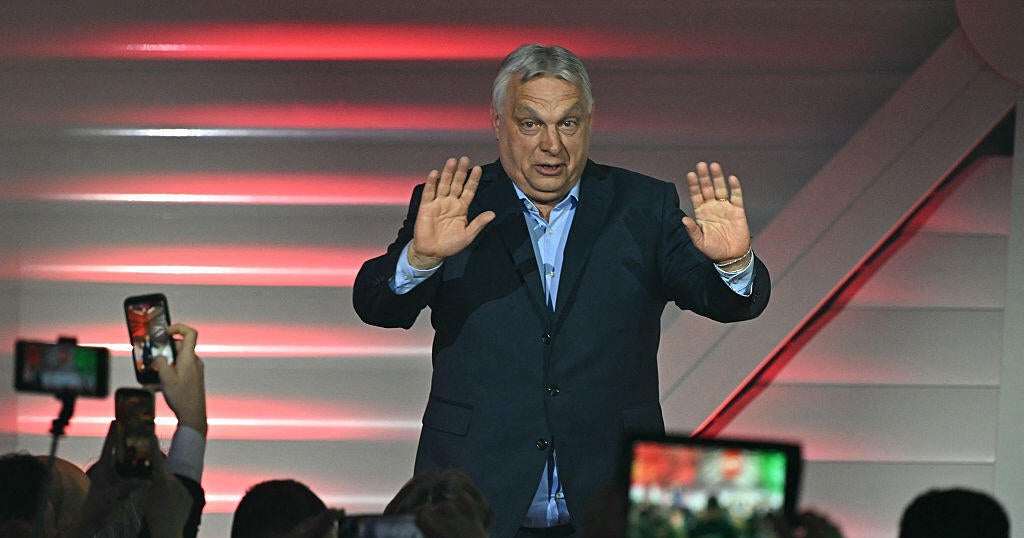
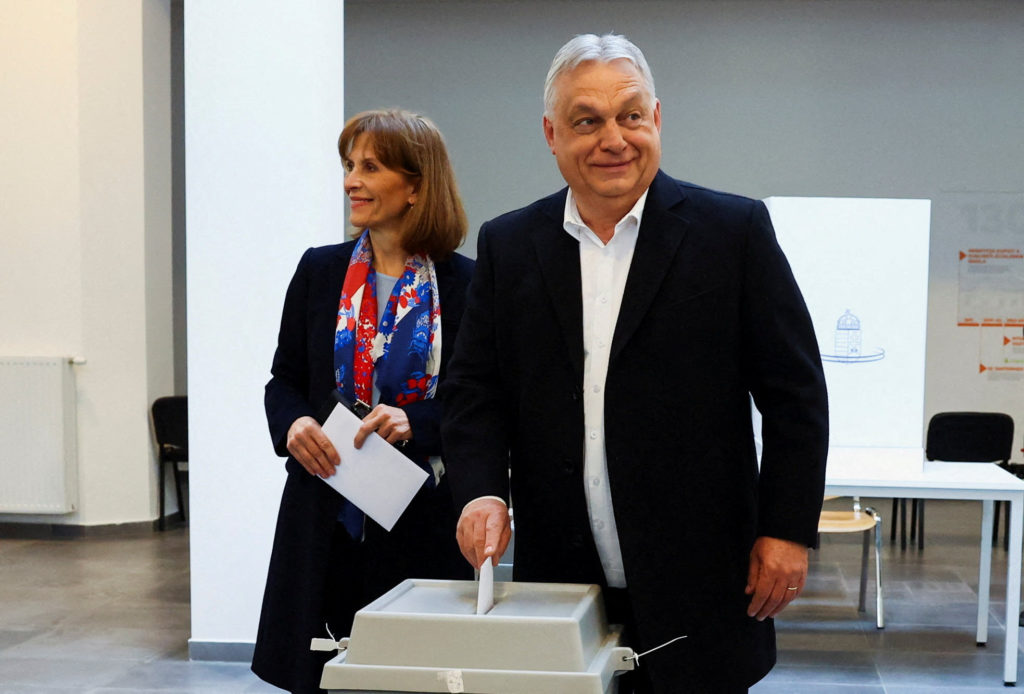
Viktor Orbán, Hungary's longest-serving prime minister and one of Europe's most prominent populist leaders, conceded defeat late Sunday night after exit polls and early vote counts showed his Fidesz party losing decisively to the opposition Tisza Party led by Péter Magyar. With 97% of precincts counted, Magyar's center-right coalition had secured 53.6% of the vote and 138 seats in the 199-seat parliament, compared to Fidesz's 37.8% and 55 seats — giving Magyar a two-thirds supermajority powerful enough to amend Hungary's constitution. Voter turnout reached a record high of approximately 79%, signaling massive public mobilization in the election widely described as a watershed moment for Hungarian democracy.
"I congratulated the victorious party," Orbán told supporters Sunday evening, his voice audibly strained. "We are going to serve the Hungarian nation and our homeland from opposition as well." He described the outcome as "painful" but acknowledged the clear mandate Hungarians had delivered. It was a remarkable concession from a leader who spent 16 years reshaping Hungarian institutions — the judiciary, the media landscape, the electoral rules — to entrench his party's advantages. Magyar told cheering crowds near the Parliament building along the Danube that together they had "liberated Hungary."
Magyar, 43, became a household name in Hungary after his divorce from a former justice minister in Orbán's government led him to speak publicly about corruption inside Fidesz. A former insider with no prior electoral experience, he founded Tisza in 2024 and quickly built a coalition of voters exhausted by nearly two decades of Orbán's rule. His campaign focused on restoring judicial independence, unfreezing billions of euros in European Union development funds that Brussels had withheld over rule-of-law concerns, and repairing Hungary's relationships with European allies and NATO.
The international reaction was swift and effusive. European Commission President Ursula von der Leyen congratulated Magyar and pledged to work with Budapest to restore the flow of EU funds. NATO Secretary General Mark Rutte called the result "a demonstration of European democratic resilience." French President Emmanuel Macron hailed the outcome as proof that Hungarians had chosen "the path of democratic Europe." U.S. Secretary of State Marco Rubio offered a more measured response, saying Washington would work with Hungary's new leadership as it did with all democratically elected governments.
Orbán's defeat carries implications far beyond Budapest. He had cultivated close ties with other nationalist leaders around the world, including Donald Trump — who received a visit from Orbán at Mar-a-Lago earlier this year — and had positioned himself as a model for populists seeking to consolidate power through democratic means. His loss removes a key ally from within the European Union and potentially weakens the bloc of Viktor Orbán-aligned governments that had frustrated EU decision-making on Ukraine aid and other issues. With Tisza now holding a supermajority, Magyar will have the authority to reverse constitutional changes enacted under Orbán and reshape Hungary's relationship with its European partners in ways that would have been unthinkable just weeks ago.