Orbán Concedes 'Painful' Defeat as Peter Magyar Wins Hungary Election in Landslide, Ending 16-Year Rule
Magyar's Tisza party won 53.6% of the vote and 138 of 199 parliamentary seats, with a record 79% turnout sealing Hungary's most consequential election since communism fell.
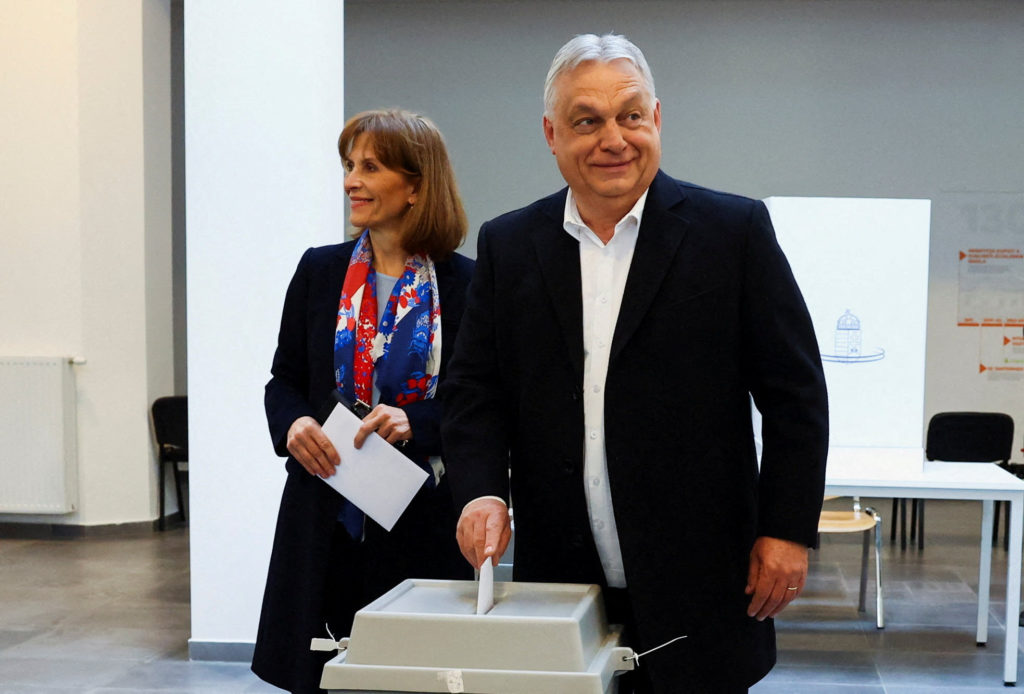
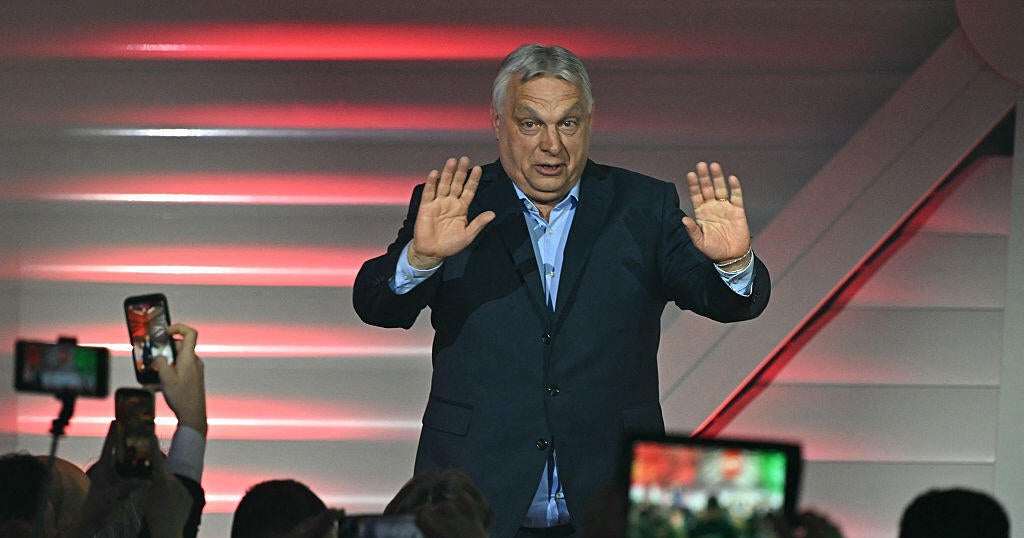
Viktor Orbán, Hungary's longest-serving prime minister and a beacon of authoritarian populism around the world, conceded defeat Sunday night after opposition leader Péter Magyar's Tisza Party won a stunning landslide victory that ends 16 years of Fidesz rule. "We are going to serve the Hungarian nation from opposition as well," Orbán said in a brief concession speech, acknowledging what he called a "painful" result. With 97% of precincts counted, Magyar's centre-right Tisza party had secured 53.6% of the vote and 138 of 199 parliamentary seats, while Orbán's Fidesz fell to 37.8% with only 55 seats — a historic collapse for a governing party that once held a two-thirds parliamentary supermajority.
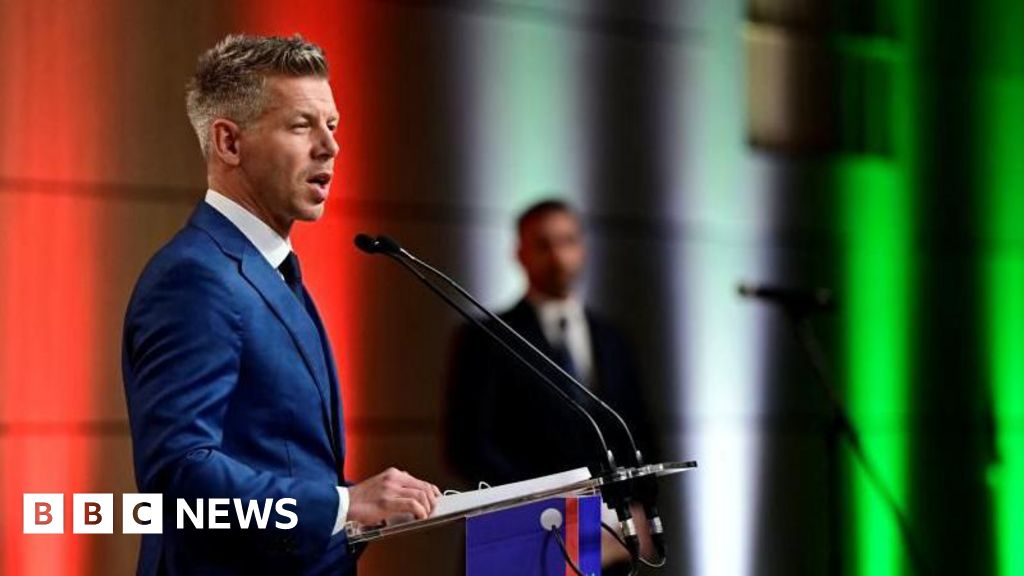
The margin of the defeat exceeded the most optimistic projections in opposition polling. Turnout was recorded at a record 79% or more — a figure that analysts said reflected the extraordinary mobilization of Hungarian voters who viewed the election as a once-in-a-generation chance to change course. Magyar confirmed the victory on Facebook, writing that Orbán "just congratulated me on our victory" in a phone call. European Parliament President Roberta Metsola immediately congratulated Magyar, saying: "Hungary's place is at the heart of Europe." Leaders across the European Union, many of whom had strained relations with Budapest during Orbán's tenure, expressed enthusiasm at the result.
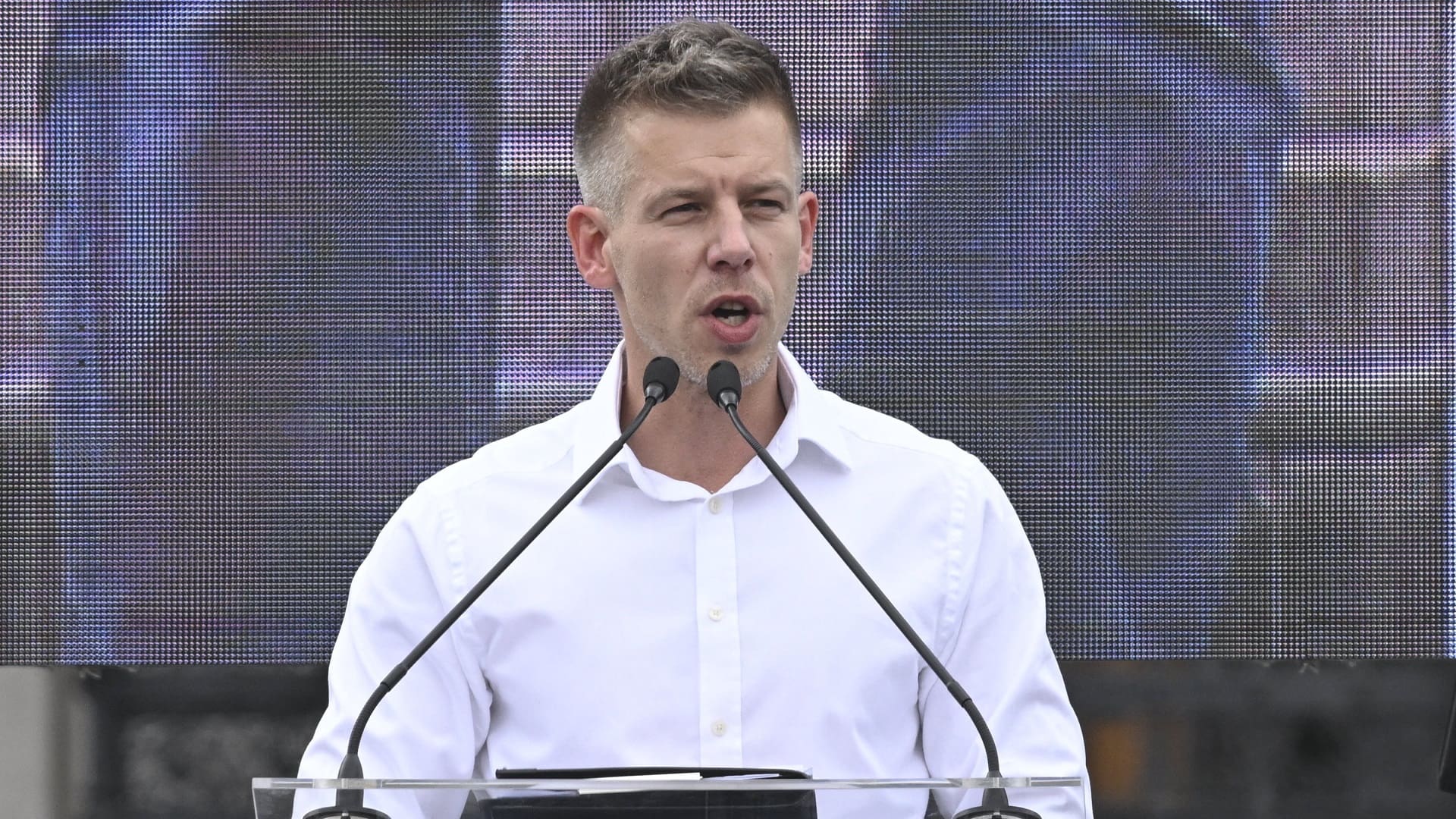
Magyar, a 44-year-old former Orbán loyalist who broke with Fidesz and rose to lead the country's fragmented opposition after exposing corruption within the ruling party, campaigned on restoring democratic institutions, repairing Hungary's relationship with the European Union and NATO, and addressing everyday concerns like healthcare and public transport. He portrayed the election as a referendum on whether Hungary would remain on a path of democratic backsliding or return to European norms. The decisive margin of his victory suggests that Hungarian voters — exhausted by corruption scandals, media suppression, and the government's cozy relationship with Moscow — were ready for a fundamental change.
The international implications of Orbán's defeat are considerable. Hungary under Orbán became a reliable disruptor within the European Union, blocking sanctions on Russia and stymieing NATO decisions on Ukraine aid. Orbán's warm personal relationships with Vladimir Putin and his public admiration for Donald Trump made him a symbol of the global populist right — and his defeat will be seen as a significant blow to that movement worldwide. Trump, who counts Orbán among his favorite foreign leaders and hosted him at Mar-a-Lago as recently as late 2025, had not publicly commented on the Hungarian election result by Monday morning.
Magyar has pledged an ambitious agenda for his first 100 days in office, including restoring the independence of the judiciary, unlocking frozen European Union development funds that Brussels blocked over rule-of-law concerns, and dismantling the state-controlled media apparatus that Orbán used to suppress political competition. Hungary's transition to a new government, expected to be formed in the coming weeks, will be closely watched as a test case for whether illiberal democratic backsliding in Central Europe can be reversed through electoral means — and as an inspiration to opposition movements from Poland to Slovakia who have fought similar battles against entrenched populist governments.