Hungary's Viktor Orbán Faces Political Peril as Country Votes in Closely Watched Elections
The populist prime minister's potential downfall could have far-reaching implications for global populism and European politics.
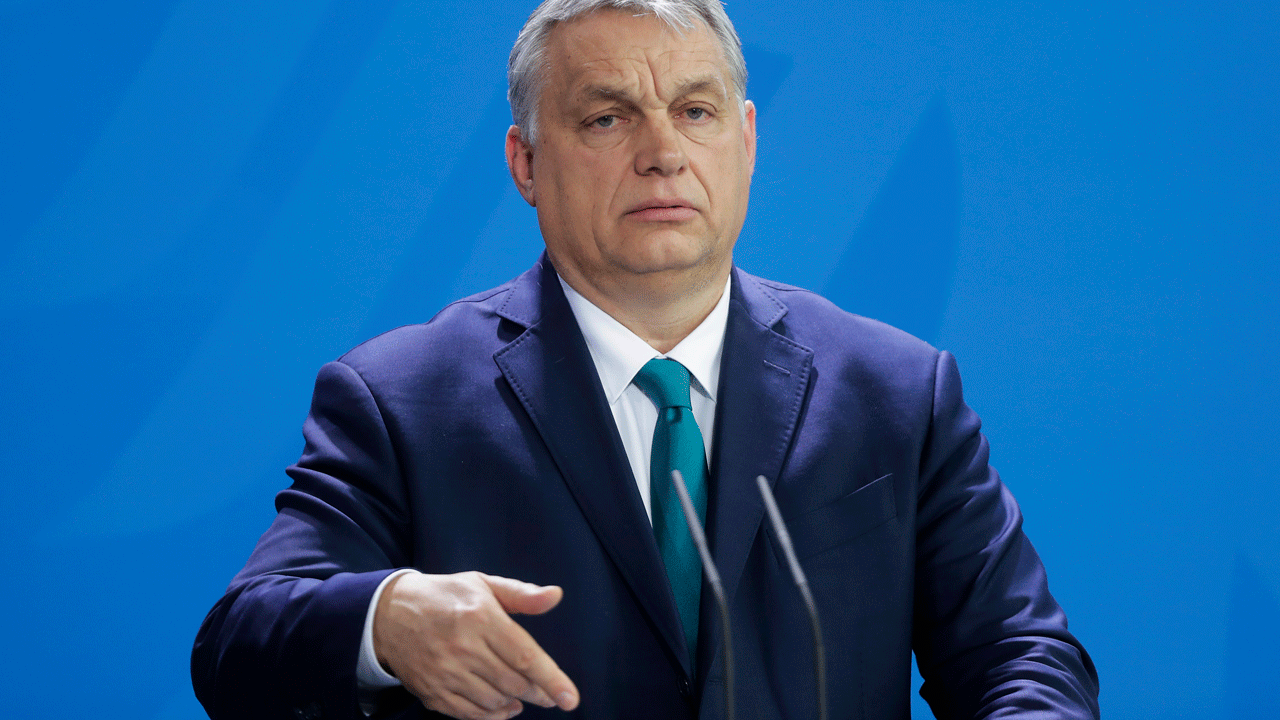
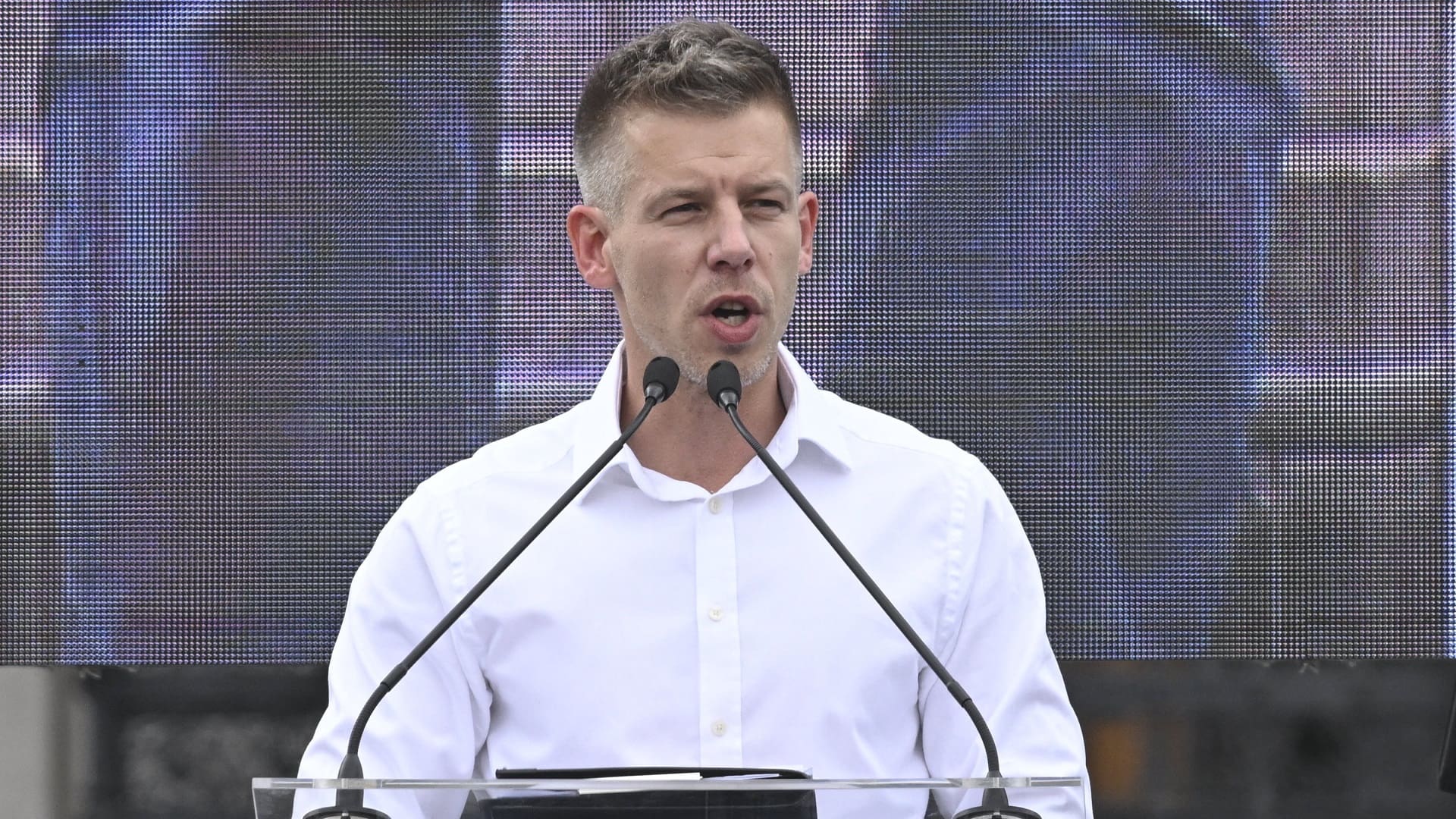
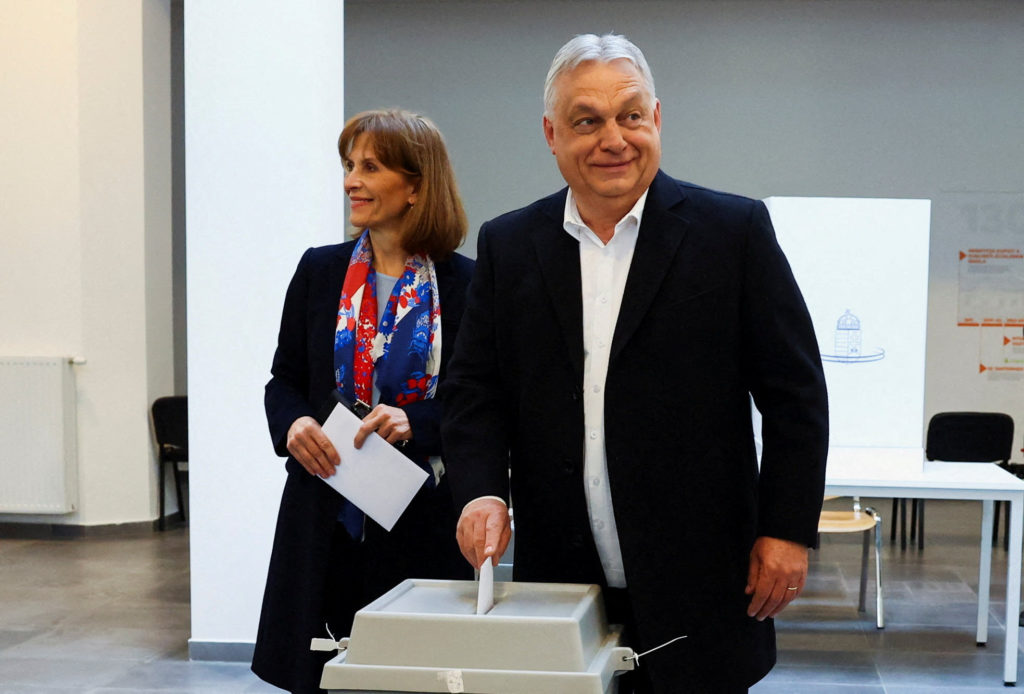
Hungarian voters headed to the polls Sunday in elections that could dramatically reshape European politics and deal a significant blow to the global populist movement. Prime Minister Viktor Orbán, a key figure in international populism and longtime ally of authoritarian leaders worldwide, finds himself in unprecedented political peril as opposition parties have unified behind a challenger promising to restore democratic norms and repair Hungary's relationship with European allies. The outcome could have far-reaching implications beyond Hungary's borders, potentially signaling a broader shift away from the populist wave that has dominated global politics in recent years.
Orbán has ruled Hungary with increasingly authoritarian methods since returning to power in 2010, systematically undermining press freedom, judicial independence, and civil society organizations. His Fidesz party has maintained power through a combination of nationalist rhetoric, media control, and constitutional changes that favor the ruling party. However, recent polling suggests that a unified opposition coalition has gained significant ground, capitalizing on public frustration with corruption, economic mismanagement, and Hungary's international isolation within the European Union.
The international community is watching the Hungarian elections closely, as Orbán has become a standard-bearer for populist leaders around the world. His close relationships with Vladimir Putin and other authoritarian figures have made him a controversial figure within NATO and the European Union. A defeat for Orbán could embolden democratic forces across Eastern Europe and potentially weaken the network of populist leaders who have supported each other's authoritarian tendencies.
Economic issues have played a significant role in the campaign, with opposition leaders arguing that Orbán's confrontational approach toward European institutions has cost Hungary billions in EU funding. The opposition has promised to repair relationships with Brussels and unlock frozen European development funds, while Orbán has portrayed the election as a choice between Hungarian sovereignty and European interference. The contrasting visions for Hungary's future have created one of the most consequential elections in the country's post-communist history.
Early exit polls and preliminary results are expected throughout Sunday evening, with final results potentially not available until Monday morning. International election observers from the Organization for Security and Cooperation in Europe are monitoring the vote amid concerns about media bias and the fairness of the electoral process. The stakes could hardly be higher, as a change in government could fundamentally alter Hungary's trajectory and send shockwaves through the international populist movement that has looked to Orbán as a key figure and inspiration.