Hegseth Pulled Six Names Off an 18-Officer Promotion List. The Army Secretary Had Quit Two Days Earlier
Three U.S. officials say the defense secretary personally removed at least six colonels selected for two-star rank by an Army board. More than 80 generals and admirals have now been fired or blocked under him.
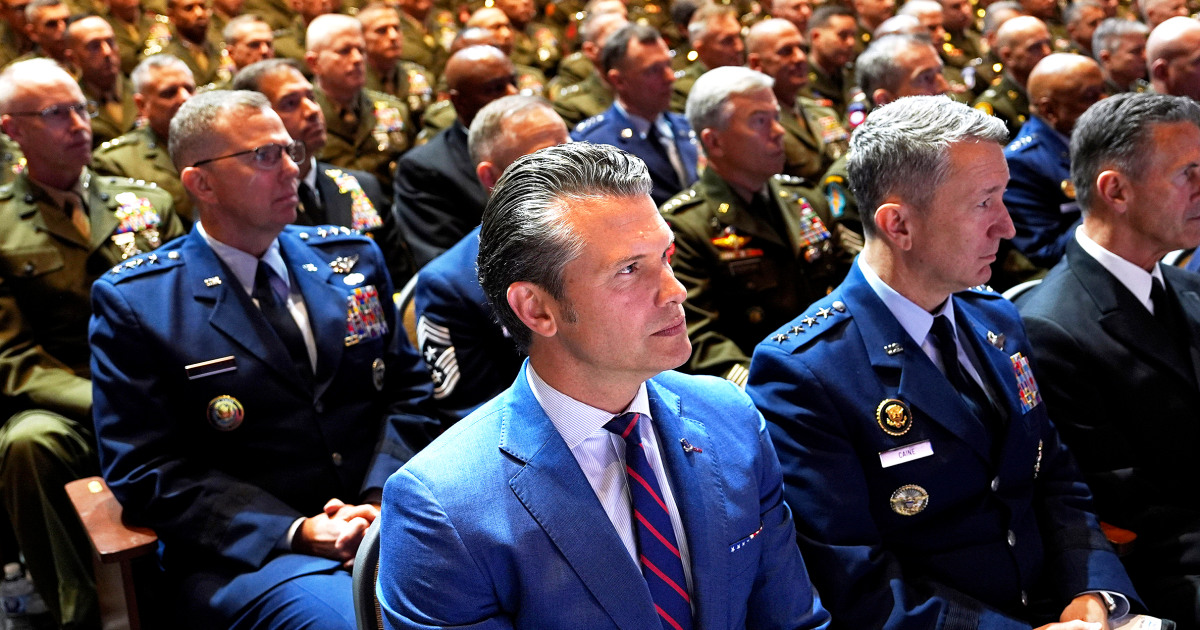
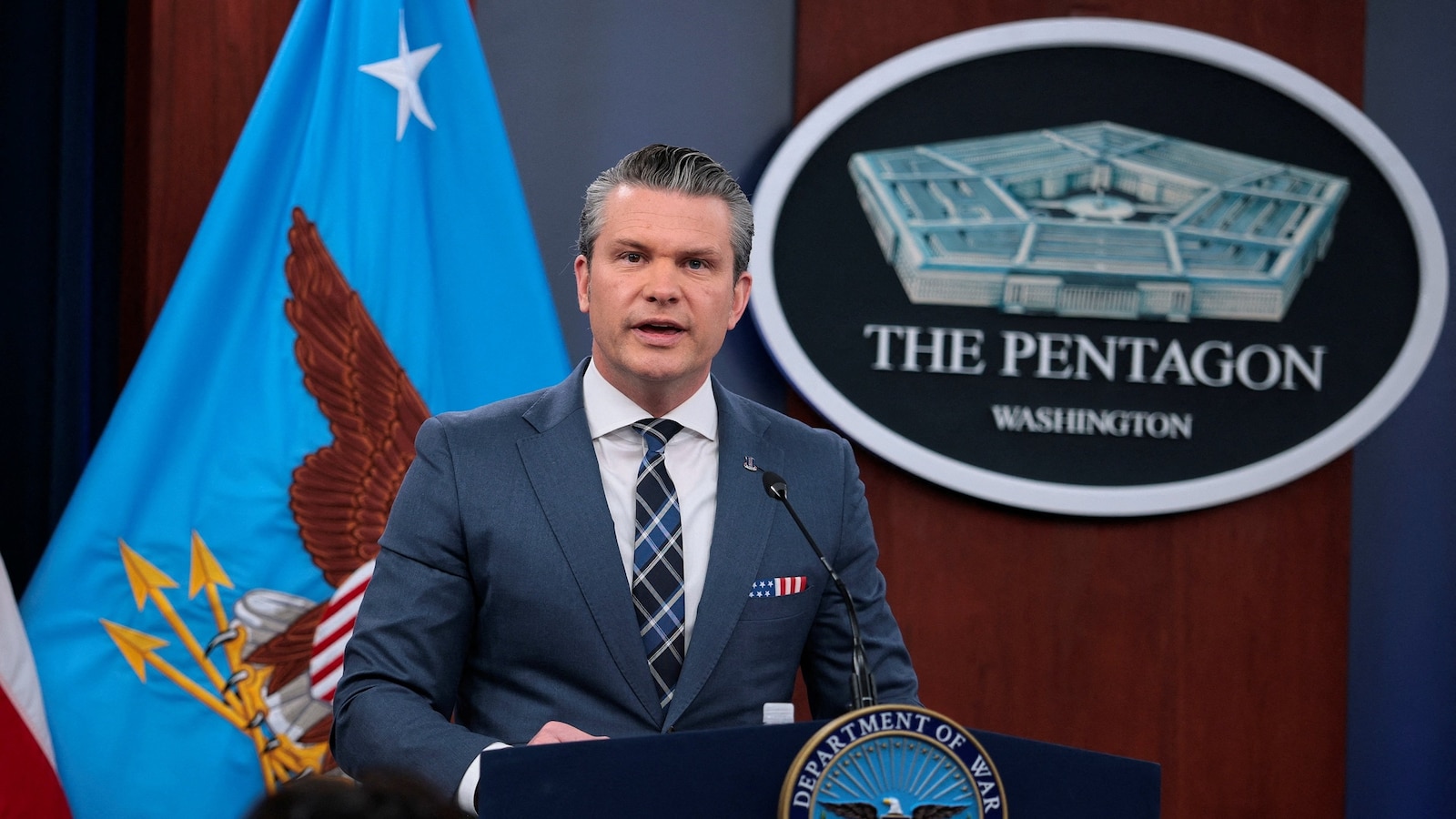
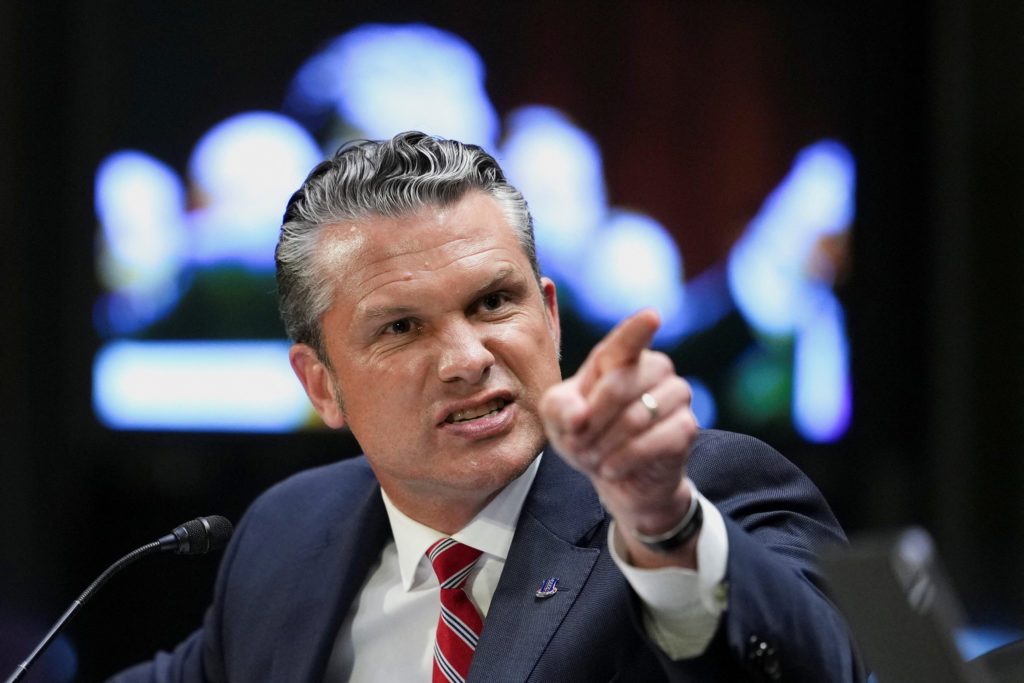
Defense Secretary Pete Hegseth has struck at least six names from a list of 18 Army officers selected for promotion to two-star general, three U.S. officials told NBC News, the latest round in a purge of the senior officer corps that is now well into its second year.
The list had been assembled by a promotion board made up of senior Army leaders, the standard process the service uses to decide which brigadier generals move up. Officials said Hegseth intervened personally to remove the names in recent weeks. The New York Times reported that seven officers were pulled, and that two of them are Black and two are women. Several of the officers on the list were logisticians, the officers who manage the fuel, food, ammunition and maintenance that keep deployed units supplied.
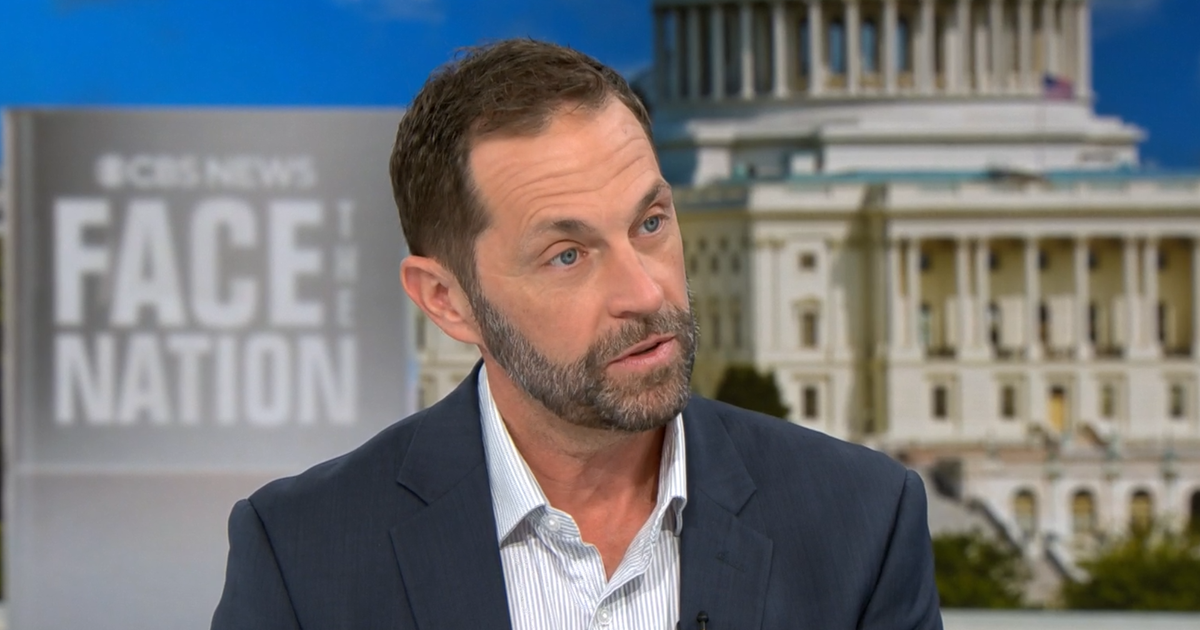
The Pentagon has not explained the removals. That silence is itself becoming the story: officials say Hegseth has now fired or blocked the promotions of more than 80 generals and admirals, roughly a tenth of the military's flag and general officers, without publicly setting out the criteria. In July, Democratic Sens. Cory Booker of New Jersey and Brian Schatz of Hawaii demanded that the Pentagon inspector general open an independent investigation into the blocked promotions. In March, NPR reported that Hegseth had intervened to stop promotions of Black and female officers; in June he removed officers from a Navy list.
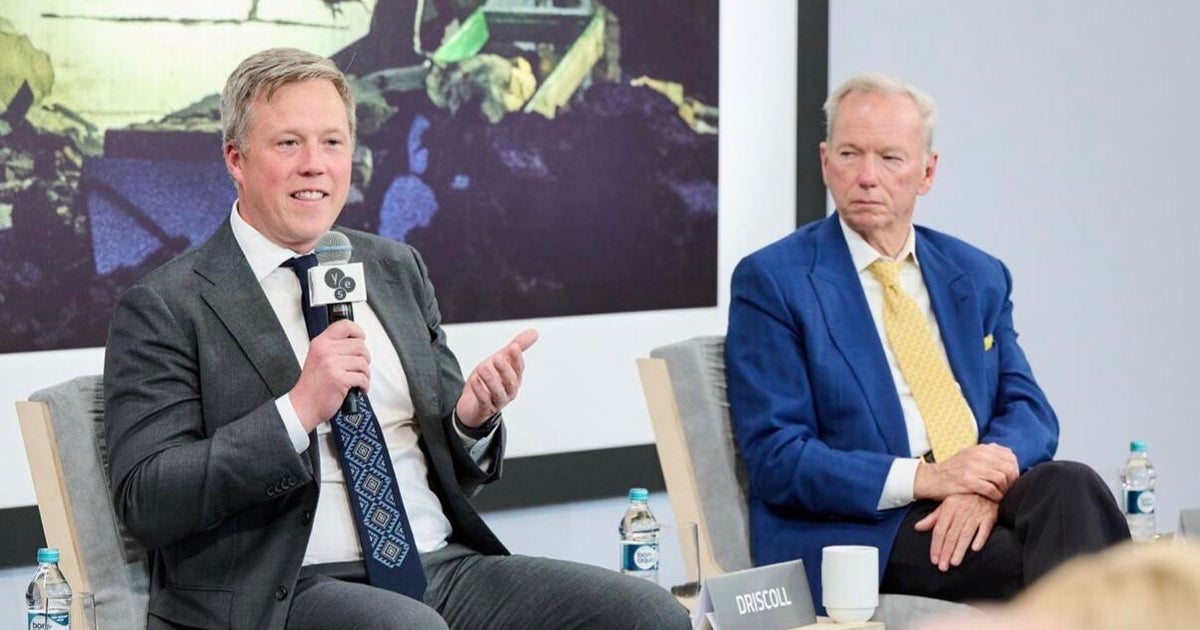
The removals landed days after Army Secretary Dan Driscoll submitted his resignation to President Donald Trump. Driscoll, who became the youngest Army secretary in the service's history when he took the job at 38, served as an Army officer in Iraq and arrived with plans to move quickly on drones and other battlefield technology. He lasted 18 months. People familiar with his decision said he cited two things: the sense that his modernization push was being obstructed, and the disorder created by Hegseth's firing of the very generals who were supposed to carry it out. The Wall Street Journal first reported his departure. Some officials have said Hegseth grew suspicious of Driscoll in part because of his closeness to Vice President JD Vance, a classmate at Yale Law School.
Trump has separately nominated acting Navy Secretary Hung Cao to the post permanently, writing that the "Senate needs to confirm this Warfighter, ASAP."
The practical effect of a blocked promotion is not just a stalled career. Officers passed over at that level generally retire, and the Army loses the specific experience the board picked them for. Lawmakers in both parties have complained privately that the Pentagon will not tell them why particular officers were cut, which makes it hard to confirm replacements or to plan for the units those officers were meant to lead.