Judge Voids Trump's Ban on Anthropic: 'The Empty Invocation of National Security Is Not a Blank Check'
U.S. District Judge Rita Lin permanently barred the administration from enforcing a supply-chain-risk designation she said was retaliation for the AI company's criticism of the Pentagon.

A federal judge late Thursday permanently barred the Trump administration from enforcing the rules it used to cut Anthropic off from the federal government, ruling that officials had unconstitutionally punished the artificial intelligence company for protected speech. In a 59-page opinion, U.S. District Judge Rita Lin of San Francisco called the government's actions "unlawful retaliation against Anthropic for constitutionally protected expressive activities," and found they also violated the company's due process rights.
The fight began in February, when negotiations broke down over how the military could use Anthropic's model, Claude. Anthropic wanted contractual limits barring two uses: mass surveillance of Americans and fully autonomous weapons that select and strike targets without a human in the loop. CEO Dario Amodei described those as absolute "red lines," telling CBS News he had a "patriotic" desire to work with the military but would not cross them. The Pentagon argued that existing law and internal policy already prohibited both, so no contract language was needed, and that it should be free to use the model for any lawful purpose.
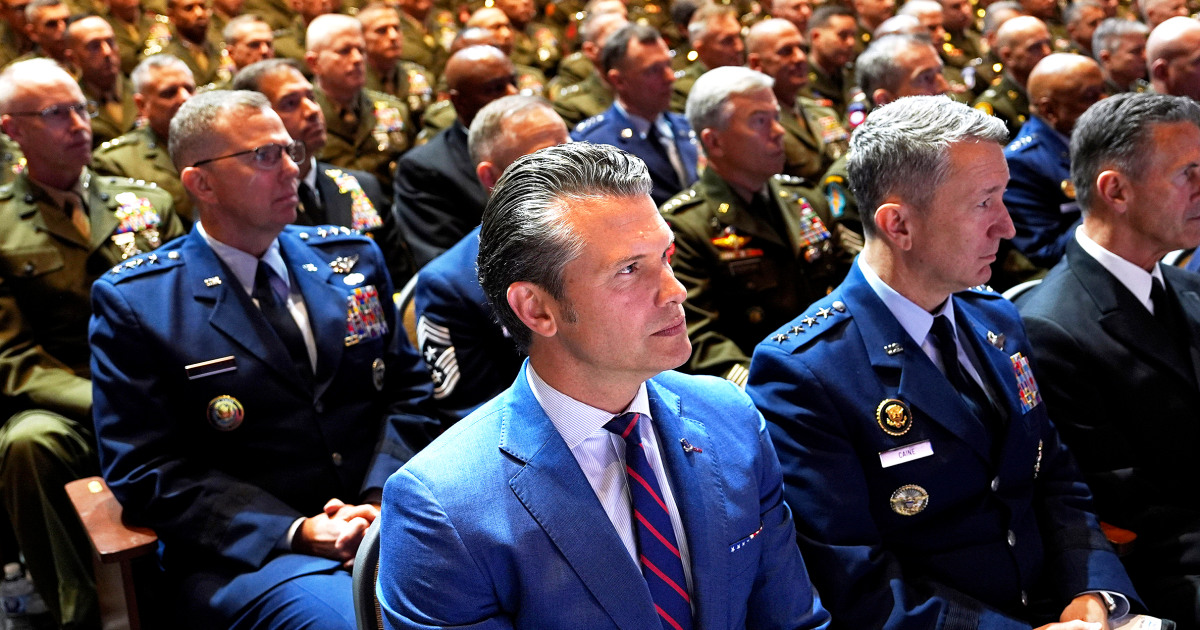
When talks collapsed, the response was public and fast. President Trump posted on Truth Social ordering the government to "IMMEDIATELY CEASE all use of Anthropic's technology" and called the firm a "radical left, woke company." Defense Secretary Pete Hegseth called Anthropic "sanctimonious" and designated it a supply chain risk — a label normally reserved for keeping foreign adversaries from sabotaging critical U.S. systems — then posted that no military contractor could conduct "any commercial activity with Anthropic."
Lin took apart each piece of that. She wrote that Anthropic does not meet the legal definition of a supply chain risk, and called the government's stated fear that the company might install a "kill switch" in its software "entirely unfounded," noting Anthropic's evidence that it cannot maintain backdoor access to its own deployed systems. "An IT vendor does not become a potential adversary of the United States whenever it asks probing questions or stubbornly insists on particular contracting terms," she wrote. She invalidated Hegseth's February post, finding it had triggered a broader boycott that swept in contractors using Claude for work with nothing to do with the military — something government lawyers conceded the designation did not actually require.
The sequencing mattered to her. Lin wrote that broadcasting the punishment on social media "even before the formal, administrative process of making the necessary findings to designate Anthropic a supply chain risk had begun — makes little sense except as an attempt to swiftly make a public example of Anthropic for daring to criticize the Administration." She added: "The government is certainly owed deference on weighty issues of national security. But Defendants' contemporaneous words and deeds confirm that the challenged actions were based on a desire to make a public example out of Anthropic for its 'arrogance' in criticizing the government." And: "The empty invocation of national security is not a blank check to punish and retaliate against government critics."
The order does not force the government to buy from Anthropic, and does not stop it from giving the work to a competitor, Lin wrote, "so long as those actions are consistent with applicable regulations, statutes, and constitutional provisions." Lin, a Biden appointee, had already signaled her skepticism, issuing a preliminary injunction in March after calling the moves "troubling" and "Orwellian," and telling a July 30 hearing that the record had "gotten worse for the government" over time. Justice Department lawyers had argued in June that the Pentagon "assessed a substantial risk that Anthropic might manipulate its AI model to enforce subjective redlines," and described agencies dropping Claude as "internal IT housekeeping."
An Anthropic spokesperson said the company welcomed the ruling "that this supply chain risk designation was unlawful" and remained "focused on working productively with the government to harness AI for our national security." The government is expected to appeal. A separate, narrower Anthropic challenge is still pending before the U.S. Court of Appeals for the D.C. Circuit. The company drew amicus support from civil liberties groups and from Microsoft, which warned the designation "may bring severe economic effects that are not in the public interest." OpenAI, Anthropic's chief rival, signed its own Pentagon deal hours after the government moved against Anthropic; both companies are preparing for initial public offerings.