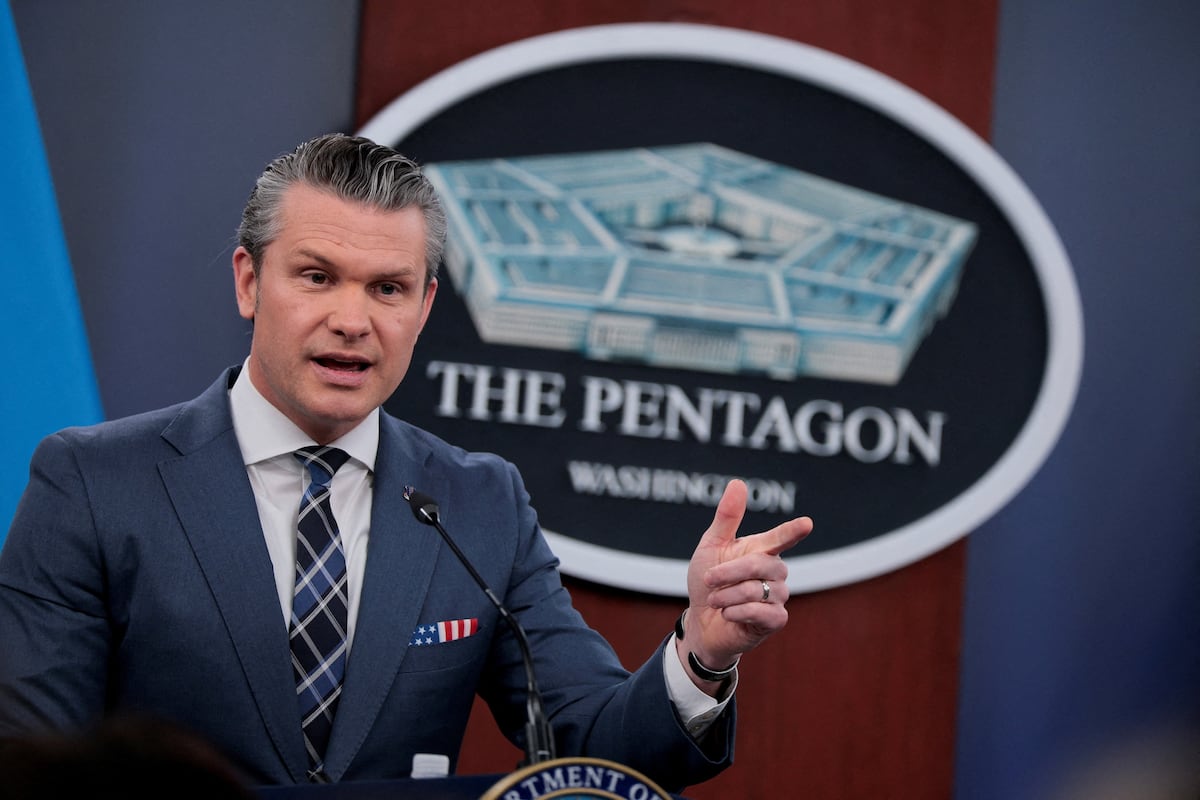
Congress Has Been Told Nothing About Hegseth's Leak Hunt, Says a Member of Both Committees That Oversee It
Rep. Jason Crow sits on House Armed Services and Intelligence. He says neither panel has been briefed on the polygraphs given to senior officers over leaked weapons-stockpile numbers.
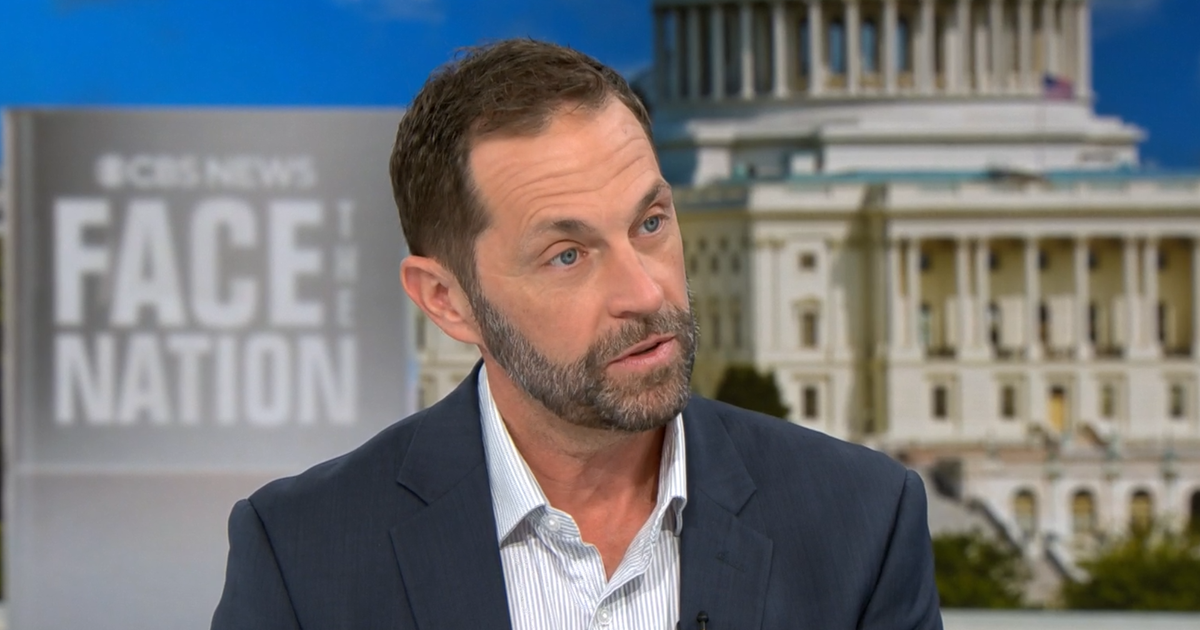
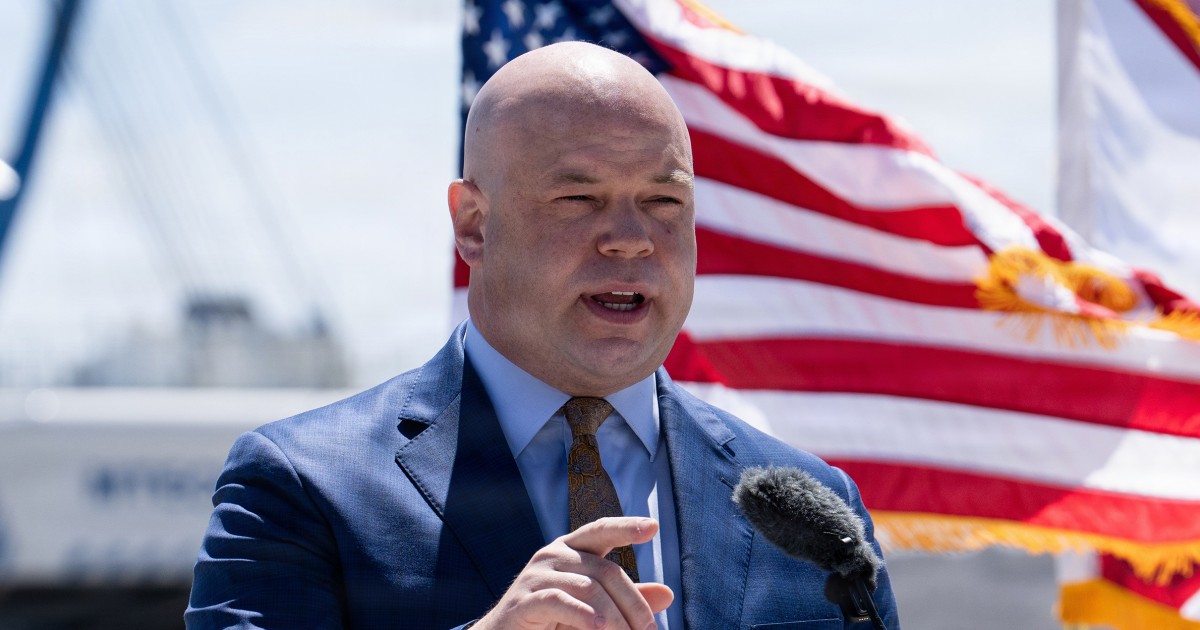
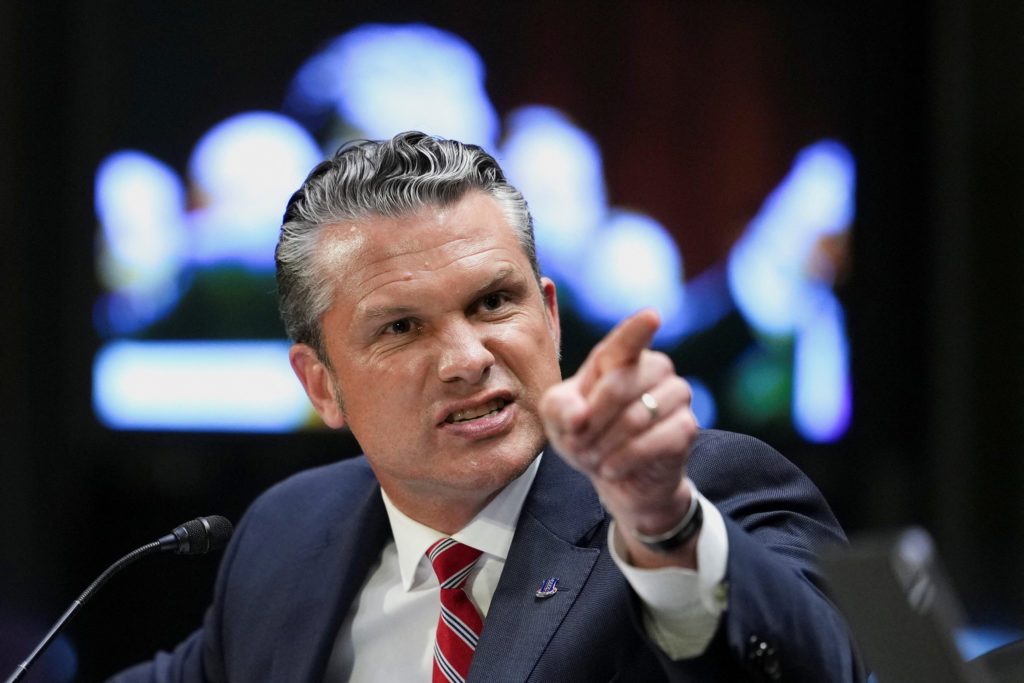
Rep. Jason Crow sits on the House Armed Services Committee and the House Intelligence Committee, the two panels that exist to know what the Pentagon is doing. On the subject of Defense Secretary Pete Hegseth's leak investigation — the one that put senior military officers on polygraph machines this summer — he says both committees have been told nothing at all.
"They have not briefed us," the Colorado Democrat said Sunday, describing the probe as an effort to "create fear and to clamp down on information" coming out of the Defense Department. Crow, a former Army Ranger, framed the silence as a pattern rather than an oversight, consistent with an administration that has repeatedly declined to let Congress see inside Pentagon operations.
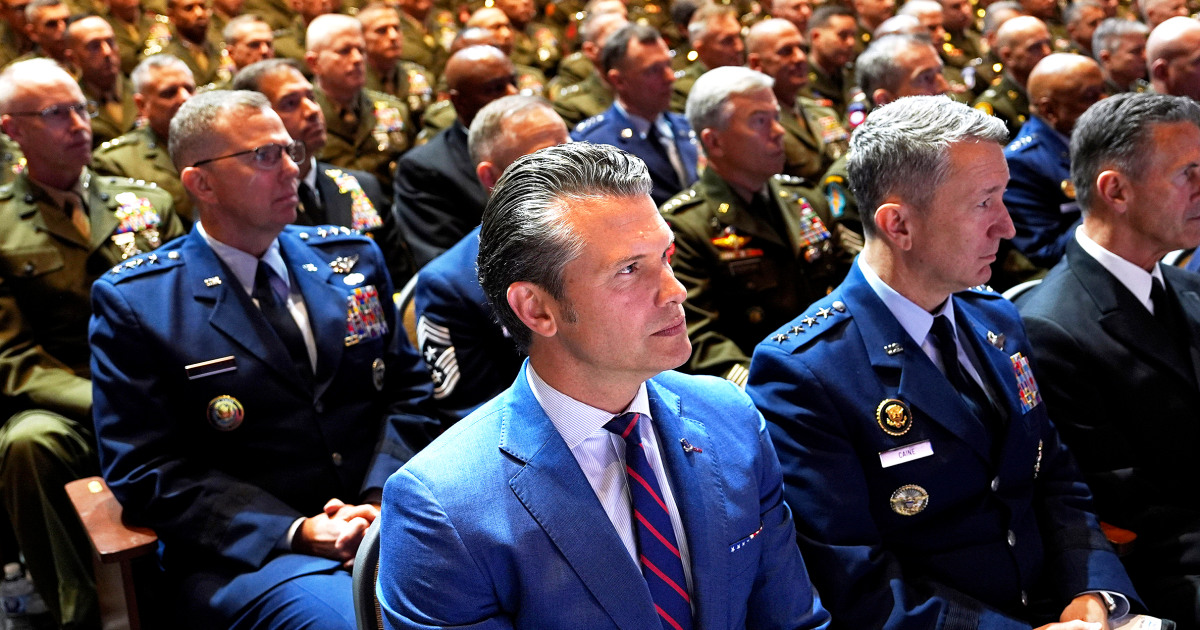
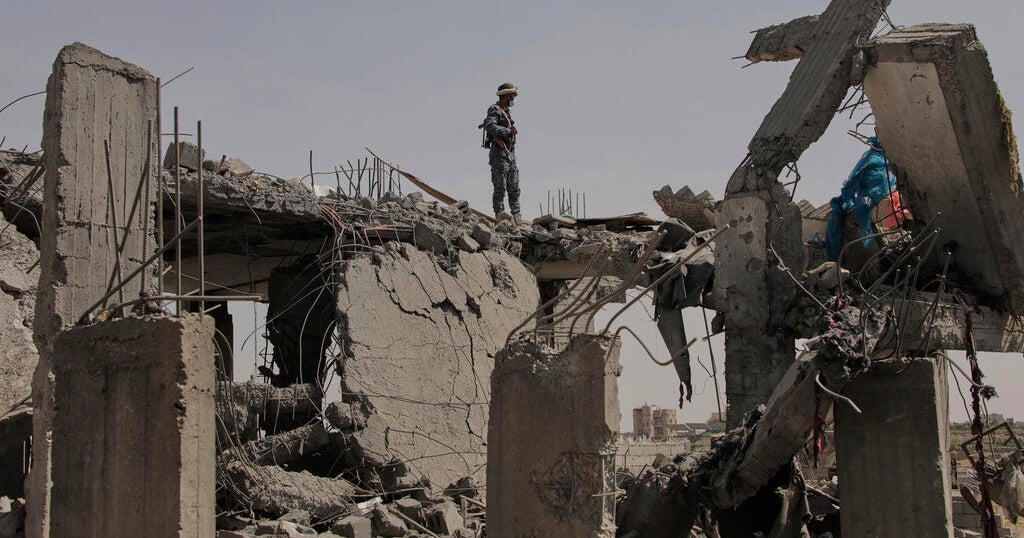
The investigation began after classified figures on U.S. weapons stockpiles reached news organizations, reporting that touched directly on how much ordnance the war with Iran has consumed. Trump was angered by the disclosures, and several dozen high-ranking officers were subsequently given polygraph examinations. Officials have said not every senior leader was tested and that no one failed. Polygraphs are routine in parts of the national security apparatus, but administering them to a large group of general and flag officers is not.
Crow put the leak hunt inside a longer list. Hegseth has removed more than 80 generals and admirals since taking office, roughly the top 10% of the uniformed leadership. The number of women eligible for military promotion has fallen to a 25-year low under his tenure. Press access to the department has been sharply curtailed, with journalists pushed out of the building and required to accept restrictive conditions to keep credentials. "He has created an environment of fear," Crow said.
The oversight question is narrower than the political one and harder for the Pentagon to answer. Congress funds the department, confirms its officers and is entitled under statute to be kept "fully and currently informed" about significant activities. An internal investigation of leaks is not a covert action, and there is no obvious legal reason the Armed Services and Intelligence committees would be excluded from it.
Republicans on both committees have said little publicly about the polygraphs. That leaves Democrats making the argument alone, two months before an election in which control of the House will determine whether subpoenas are available to anyone asking these questions. For now, the members responsible for watching the Pentagon are reading about it in the newspaper along with everyone else.