Federal Judge Strikes Down Pentagon's Press Restrictions as Unconstitutional in Major First Amendment Win for New York Times
U.S. District Judge Paul Friedman ruled that the Defense Department's October 2025 policy — which threatened to revoke credentials from journalists who gathered unapproved information — violated the First and Fifth Amendments.
A federal judge in Washington struck down the Pentagon's restrictive press access policy on Friday, ruling that it violated the First and Fifth Amendments to the Constitution and handing The New York Times a significant legal victory in one of the most closely watched press freedom cases in recent memory. U.S. District Judge Paul L. Friedman ruled that the Defense Department's policy — which required journalists to sign documents acknowledging their credentials could be revoked for gathering or reporting on information that Pentagon officials had not formally authorized — was unconstitutionally vague, overly expansive, and designed to give the government power to silence disfavored coverage.
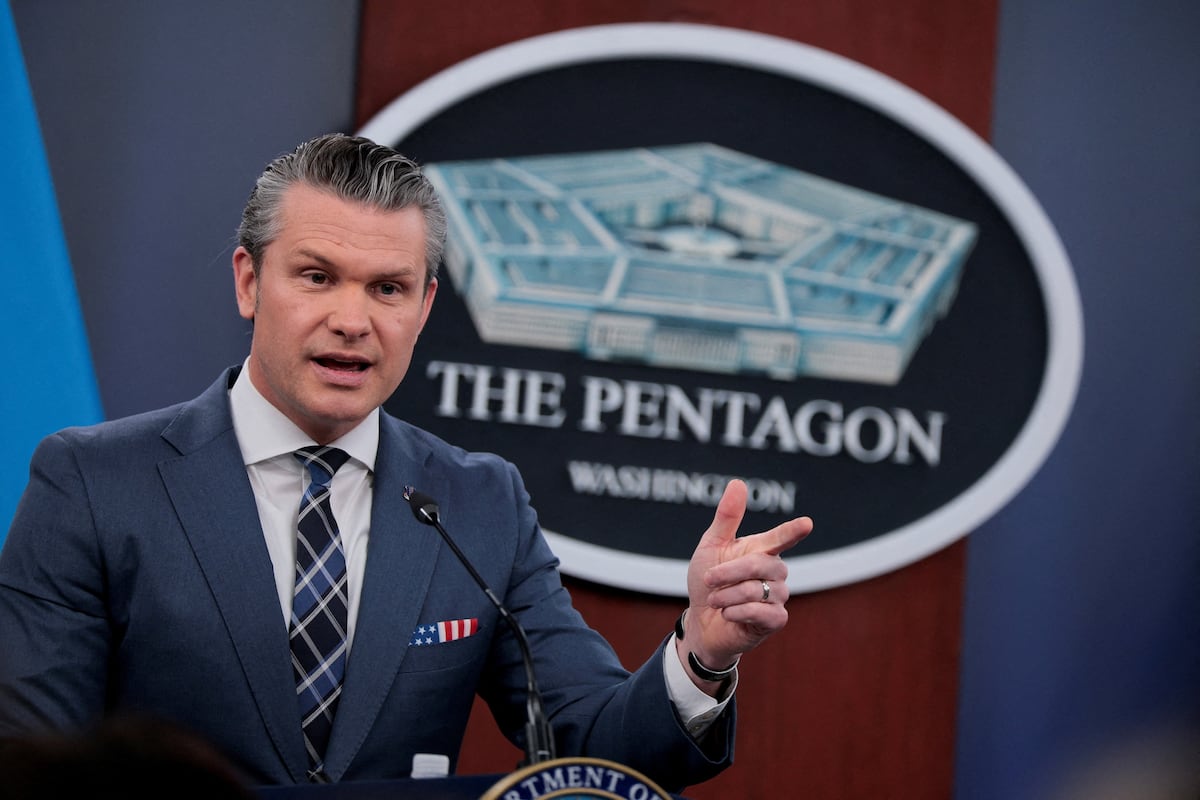
The policy, unveiled by Defense Secretary Pete Hegseth in October 2025 and implemented under the watch of Pentagon spokesman Sean Parnell, went far beyond protecting classified information. It applied even to unclassified material, and its language was broad enough that routine journalistic activities — asking questions, taking notes, verifying facts through independent sources — could theoretically trigger credential revocation. The Times filed suit in December 2025, arguing the policy would "deprive the public of vital information about the United States military and its leadership" and effectively amounted to government licensing of what journalism was permissible. The Pentagon Press Association and several other news organizations filed supporting briefs.
Judge Friedman's opinion was direct and sweeping. "Obtaining and attempting to obtain information is what journalists do," he wrote. He found that the policy's vagueness would cause reporters to self-censor rather than risk losing their Pentagon access passes — a chilling effect that itself constitutes a First Amendment violation. He also found evidence of "viewpoint discrimination," concluding that the policy was structured in a way that could be selectively used to exclude news organizations that produced coverage unfavorable to the Defense Department. The ruling drew comparisons to landmark press freedom decisions from earlier eras of executive overreach, including the Supreme Court's Pentagon Papers ruling of 1971.
Judge Friedman specifically cited the importance of independent coverage of U.S. military operations in the current conflict, noting that the public's right to receive information about operations in Venezuela and Iran — both subjects of recent and ongoing military activity — is essential for democratic accountability. "The First Amendment was designed to empower the press to publish information in the public interest, free of any official proscription," he wrote. The ruling called for immediate reinstatement of credentials that had been revoked under the policy and barred the Pentagon from enforcing the restrictions while any appeal is pending.
Pentagon spokesman Sean Parnell responded that the department "disagrees with the decision and is pursuing an immediate appeal," but legal experts said the breadth of Judge Friedman's ruling would make reversal difficult. Floyd Abrams, the constitutional attorney who argued the Pentagon Papers case before the Supreme Court, called the decision "thorough and correct" in a statement. For the Times, which has faced sustained hostility from the Trump administration, the ruling represented a rare clear-cut legal victory. Executive editor Joseph Kahn said the decision "reaffirms the constitutionally protected rights of the free press to report on what the government does in the name of the American people." The Pentagon Press Association demanded that all revoked credentials be reinstated within 24 hours.