Pentagon Seeks $200 Billion More for Iran War as Hegseth Says 'It Takes Money to Kill Bad Guys'
The Defense Department sent a supplemental funding request to the White House that would be the largest single military spending ask in modern American history, as the war burns through more than $1 billion a day.
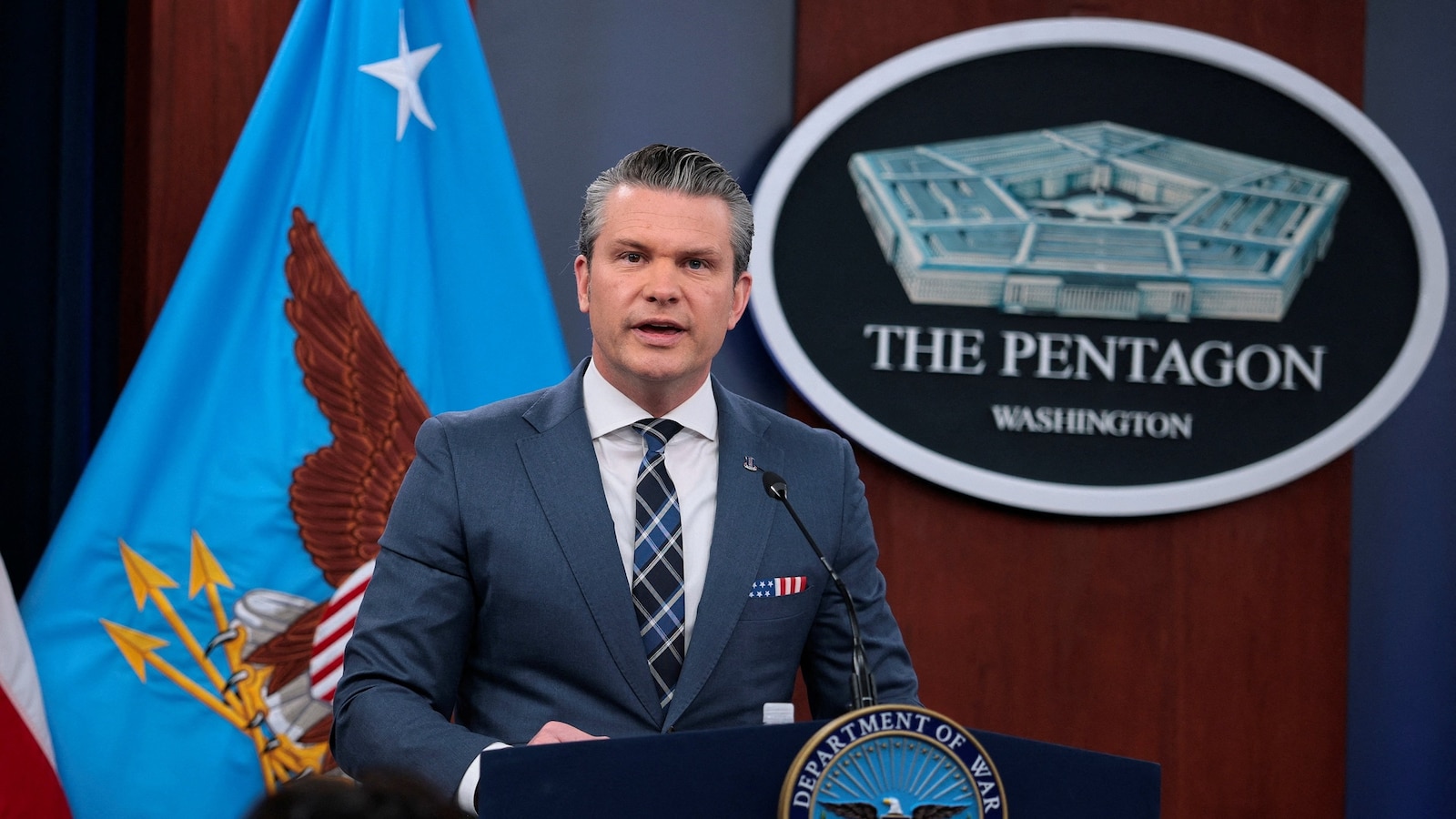
The Pentagon sent a request to the White House this week for more than $200 billion in supplemental funding to sustain the United States' war against Iran — a sum that would represent the largest single military spending request in modern American history and comes as Defense Secretary Pete Hegseth bluntly told reporters, "It takes money to kill bad guys."
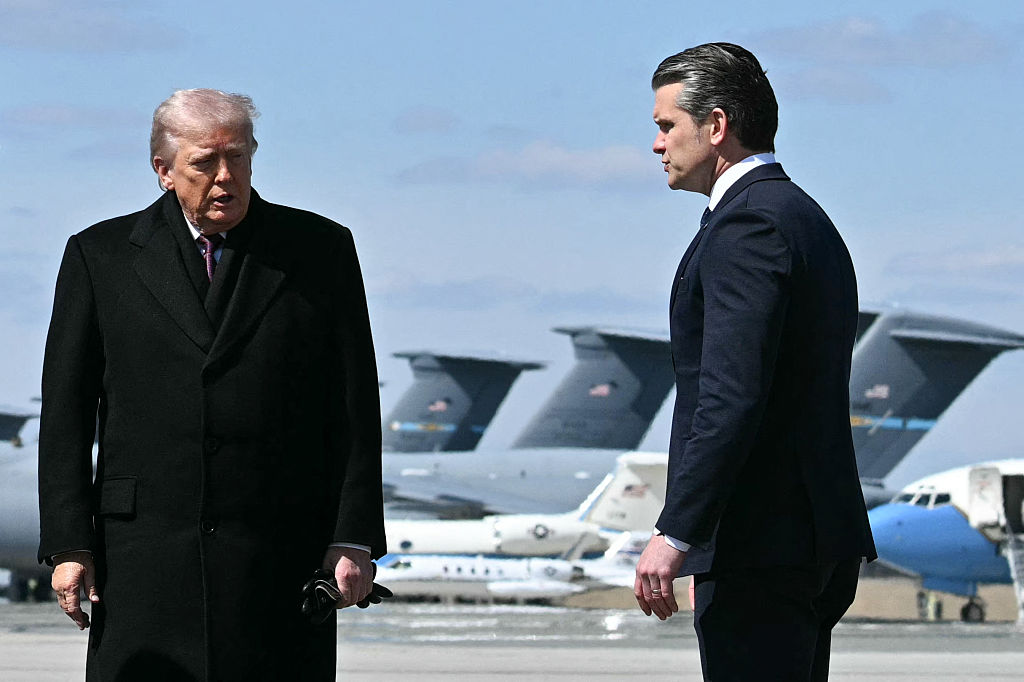
The informal funding figure was relayed from the Pentagon to the White House on Wednesday, March 18, one day before Hegseth confirmed its existence at a briefing. As of Thursday morning, the White House had not formally submitted the request to Congress. Hegseth cautioned that the figure remains fluid: "That number could move," he said, adding that the Department would ask Congress to ensure that ammunition is "refilled, and not just refilled, but above and beyond." President Trump offered his own endorsement of the scale of the investment: "$200 billion is a small price to pay to make sure that we stay tippy top."
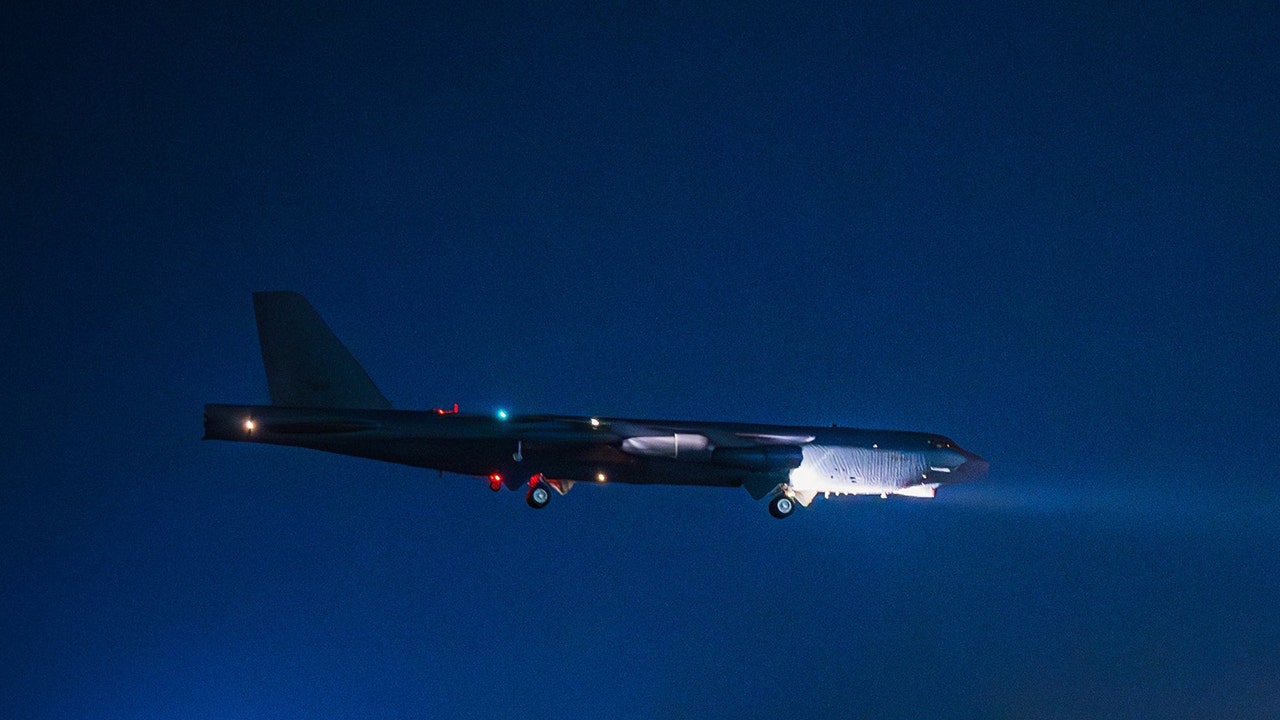
The price tag reflects the extraordinary cost of a campaign that has shown no sign of winding down. Operation Epic Fury — the American component of the conflict — began on February 28, 2026, and consumed $11.3 billion in its first six days alone. The bombing campaign has been running at more than $1 billion per day. At the current burn rate, the proposed $200 billion supplemental, if approved in full, would fund the war for approximately another 140 to 200 days, according to analysis by Fortune. The Pentagon is simultaneously seeking funds to replenish munitions stockpiles that the United States and Israel have exhausted during the campaign: the two allies have struck more than 7,800 targets across Iran since hostilities began, destroying 120 ships and 11 submarines.
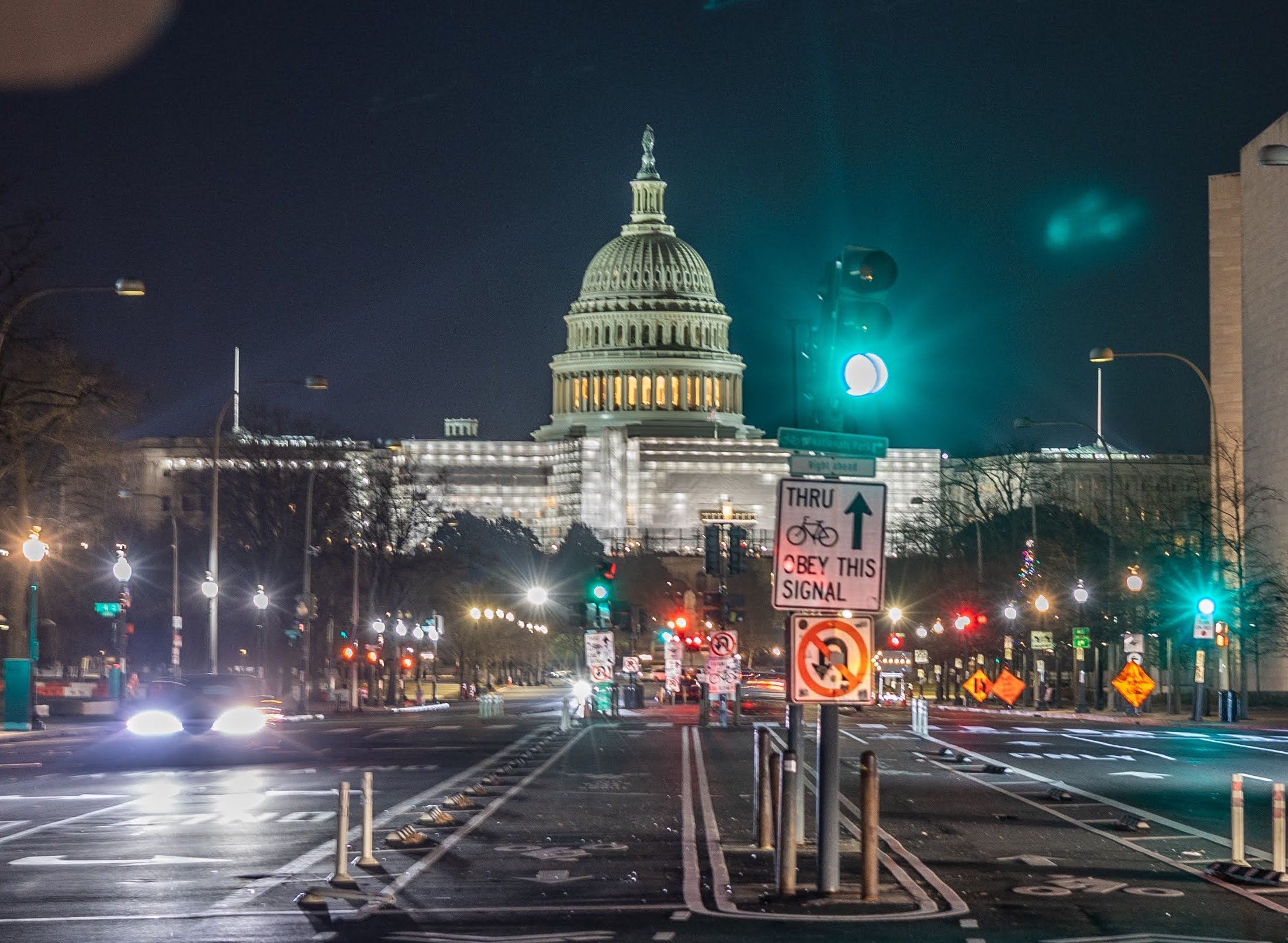
Congressional reaction broke sharply along partisan lines. Senate Democrats demanded detailed breakdowns of expenditures and called for public hearings before authorizing any additional funds. "We cannot write a blank check for an open-ended war," said one senior Democratic senator who spoke on condition of anonymity before the formal request arrives on Capitol Hill. Republican Senator Lindsey Graham of South Carolina signaled he would back the supplemental, saying the U.S. "cannot afford to lose this fight." Other Republicans were more circumspect: members of the House Freedom Caucus expressed discomfort at further expanding the federal deficit, and Rep. Chip Roy of Texas said he had "a lot of questions" about the scope of the request.
The $200 billion ask would come on top of the Pentagon's existing $800 billion annual budget — a 25 percent increase in total defense spending for the fiscal year if fully approved. Hegseth made clear the administration views the supplemental as essential to restocking weapons systems that have been depleted at unprecedented rates. The conflict shows no clear exit ramp: Hegseth told reporters on Wednesday that there is no "timeframe" for ending the war, and the administration has moved well past its initial projection of a four-to-five-week campaign. The cost of the war to American households has already manifested at the pump: Stanford economists estimate that families are spending an additional $740 per year on gasoline as global oil prices, currently above $118 per barrel, ripple through the economy.