Drone Strike in Kuwait Kills Two Italians as Iran Denies Involvement
The two Rheinmetall Italia technicians died at an air-defense surveillance station. Italy and Kuwait blame Iran, while Tehran calls the incident suspicious and offers a joint investigation.

Two Italian technicians were killed in a drone attack in Kuwait on Thursday that the Italian and Kuwaiti governments blamed on Iran, a charge Tehran flatly rejected as the nine-month-old regional war claimed new victims far from its front lines.
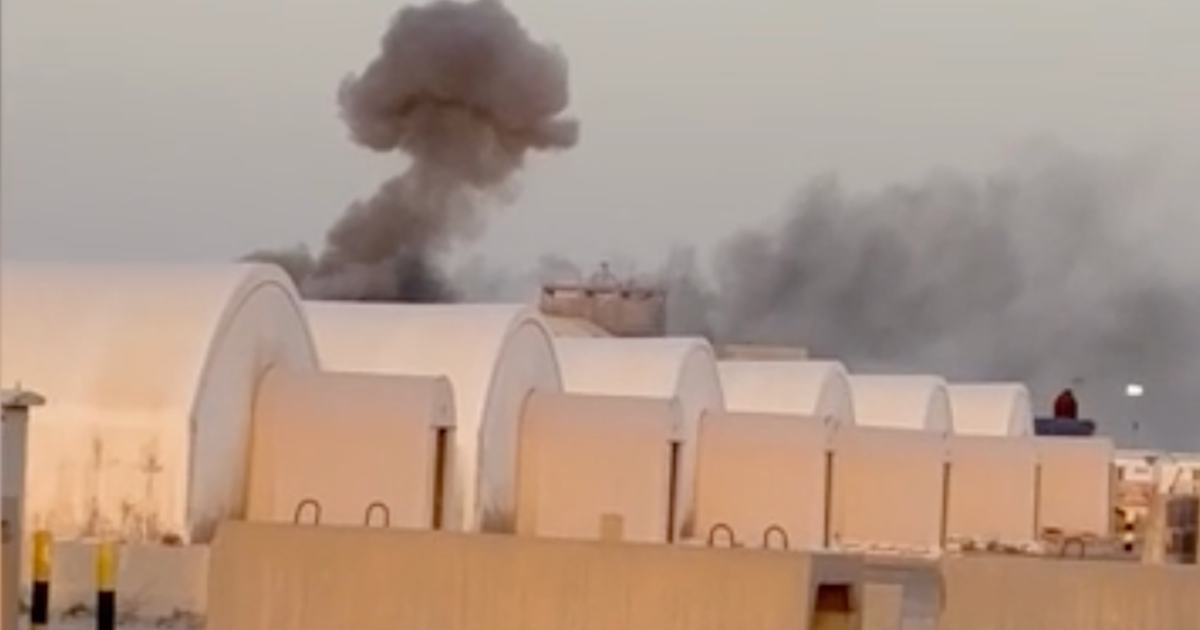
The men worked for Rheinmetall Italia, the Italian unit of the German defense group Rheinmetall, and were at an air-defense surveillance station when it was targeted by Iranian drones, Italian Foreign Minister Antonio Tajani told the Senate in Rome. "Following a powerful explosion, both of our compatriots, according to information coming from Kuwait, have died," Tajani said. He said two others were wounded, a Pakistani national and a captain in the Kuwaiti army.
The Italian news agency ANSA identified the victims as Antonio Saccoccio, 65, of Formia, and Emanuele Lo Russo, 36, of Rome. Fox News reported that the two had been performing maintenance on detection antennas for the Skyguard air-defense system.
Kuwait's army first reported that four people had been injured by falling shrapnel after its forces dealt with incoming drones aimed at what it called a vital site. The Defense Ministry later said the two Italians had died of their injuries and condemned what it described as "heinous Iranian aggression." The ministry did not disclose the precise location of the facility, and officials said the strike caused material damage.
Italian Prime Minister Giorgia Meloni expressed condolences. "On behalf of myself and the Government, I express my deepest sorrow and extend my heartfelt condolences to the victims' families," she wrote on X. Tajani told the Italian news agency AGI that Rome would lodge a complaint with the Iranian Embassy, and he urged caution, saying there was no need to attack Arab countries bordering Iran that are not involved in the war.
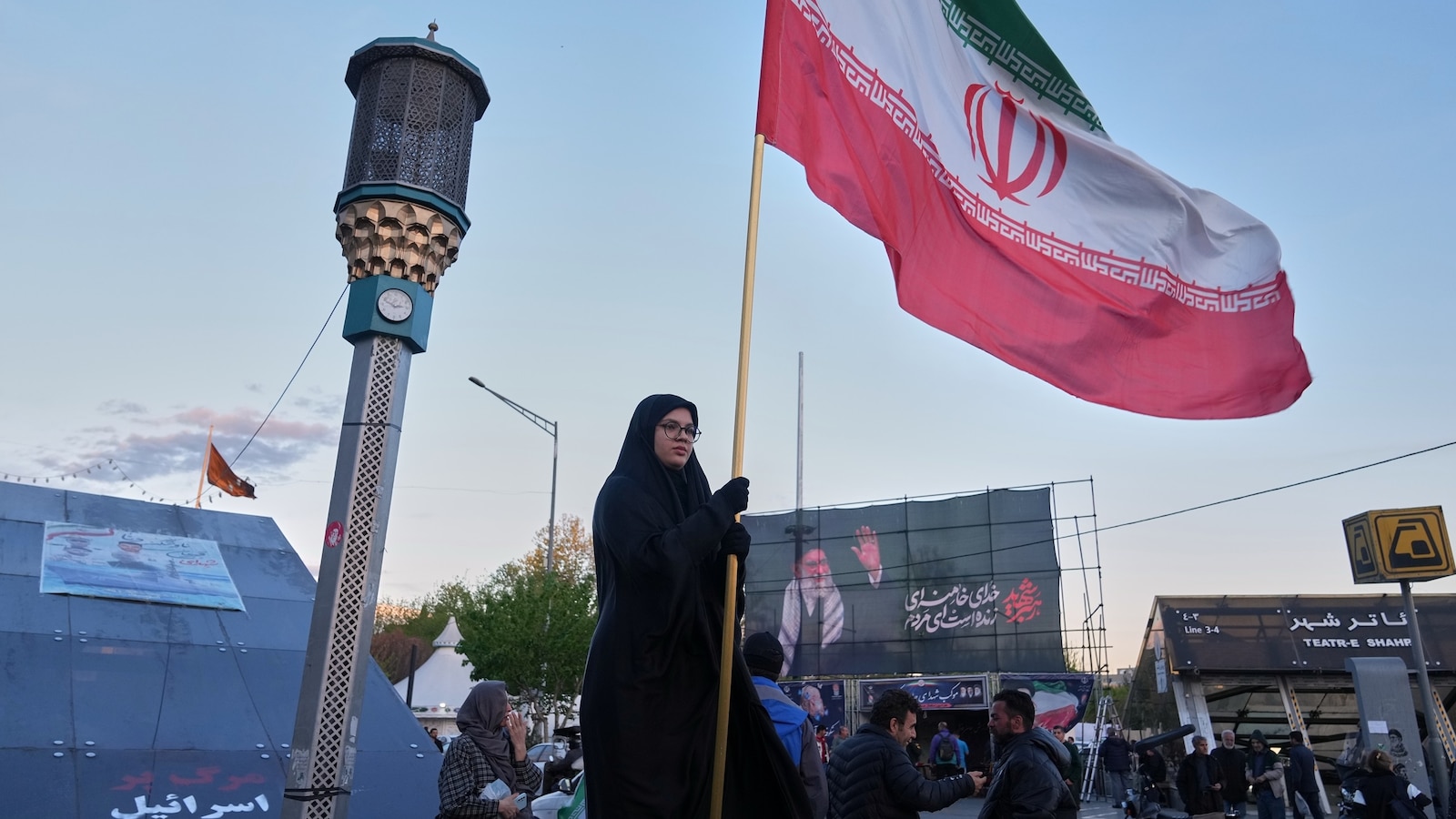
Iran denied responsibility on several fronts. Armed forces spokesman Abolfazl Shekarchi said no offensive or military operations by Iranian forces had taken place in the region, and he suggested without offering evidence that the incident could be a "false flag" involving Israel or the United States. Iran's embassy in Rome also categorically rejected the allegation.
Foreign Minister Abbas Araghchi said he had spoken with his Italian and Kuwaiti counterparts and offered his condolences. "The incident is suspicious and looks like a precooked recipe for war," he wrote, adding that Iran was ready to cooperate with Kuwait and Italy to determine the cause.
The secretary-general of the Gulf Cooperation Council, Jasem Mohamed Albudaiwi, condemned the attack, saying Iran's continued strikes on Kuwait and its vital facilities endanger civilians and amount to a dangerous escalation. Kuwait had activated its air defenses only days earlier to counter Iranian drones, the first such action since early September.
The war began on Feb. 28 when the United States and Israel launched attacks on Iran, and it has since widened to include Iranian strikes on Israel and on Gulf Arab states that host American military bases. A memorandum of understanding signed in June was intended to end the fighting, but talks have stalled and the two sides have continued to trade fire.
Violence also flared at sea over the same period. The United Kingdom Maritime Trade Operations monitor said two tankers were hit by unknown projectiles, one on Wednesday and one early Thursday, with all crew reported safe. Iran's Revolutionary Guard separately claimed that two tankers transiting the Strait of Hormuz without its permission struck sea mines, an assertion The Associated Press could not independently verify.