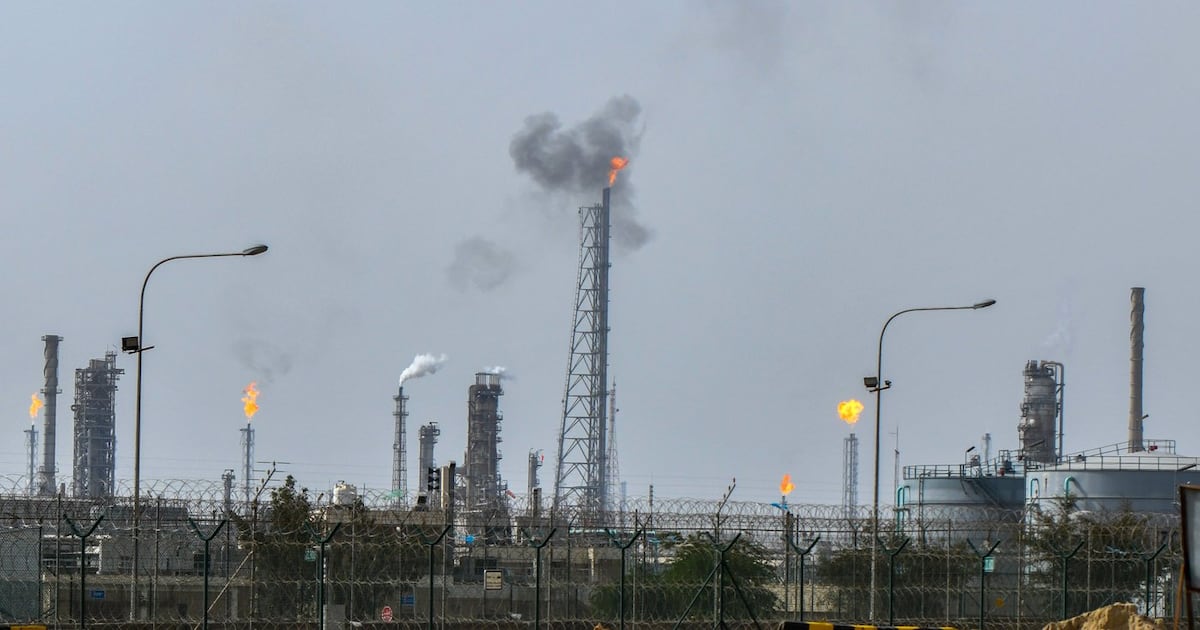
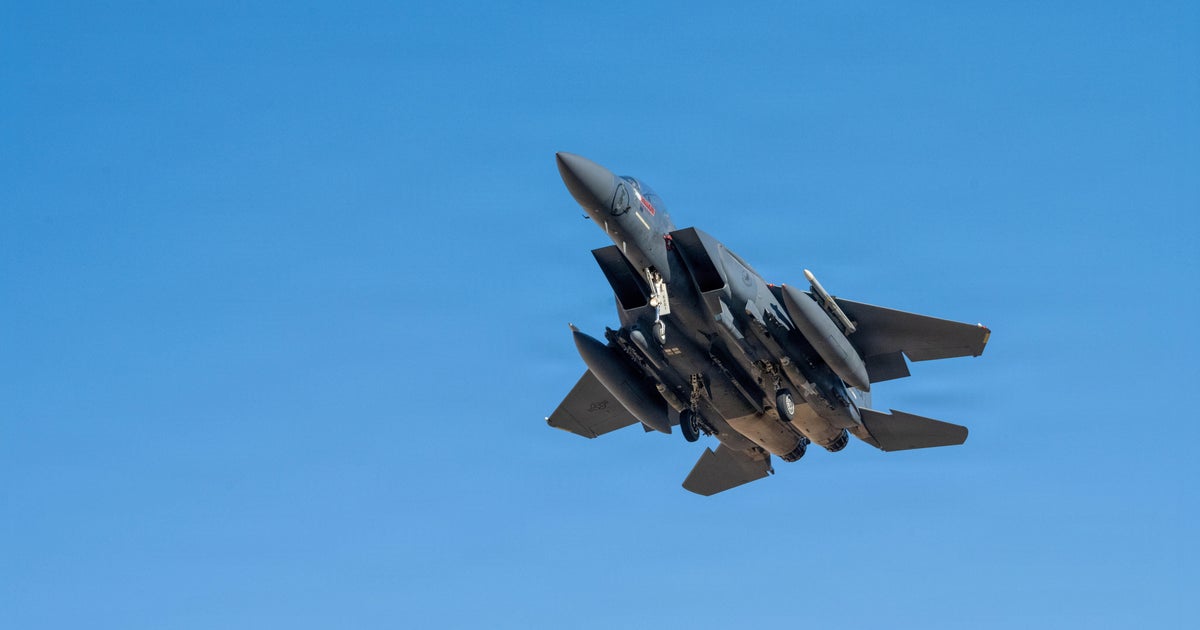
Iranian Drone Strikes U.S. Air Base in Kuwait, Wounding 15 Americans Overnight
A suicide drone hit Ali Al Salem Air Base — a key hub 37 kilometers from the Iraqi border — as Iran intensified its campaign against Gulf states hosting American forces, hours before Trump's 8 p.m. ceasefire deadline.
An Iranian suicide drone struck the Ali Al Salem Air Base in Kuwait overnight Monday into Tuesday, injuring 15 American service members and escalating the regional spillover from the now six-week-old U.S.-Israel war on Iran. U.S. officials confirmed the attack to CBS News, noting that most of the wounded had been treated and returned to duty by Tuesday morning. The strike marked the latest in a sustained Iranian campaign targeting American military installations across the Persian Gulf region since hostilities began on February 28.
Ali Al Salem, situated roughly 37 kilometers from the Iraqi border, is one of the largest U.S. Air Force installations in the Middle East and a critical logistics and air operations hub for American forces in the region. Pentagon officials said the drone penetrated the base's defenses before detonating, causing injuries that ranged from concussions to shrapnel wounds. A statement released by U.S. Central Command said the attack was under investigation and pledged to provide updates as more information became available.
Iran's Islamic Revolutionary Guard Corps has waged an intensifying campaign of drone and missile strikes across the Gulf since Washington and Jerusalem launched the opening airstrikes against Tehran's military infrastructure in late February. The UAE alone has intercepted and destroyed 498 ballistic missiles, 2,141 drones and 23 cruise missiles as of early April, according to Emirati defense officials. Broader attacks have targeted infrastructure in Saudi Arabia, Bahrain, Qatar, and Kuwait, with multiple strikes successfully breaching defenses and causing casualties among both military personnel and civilians.
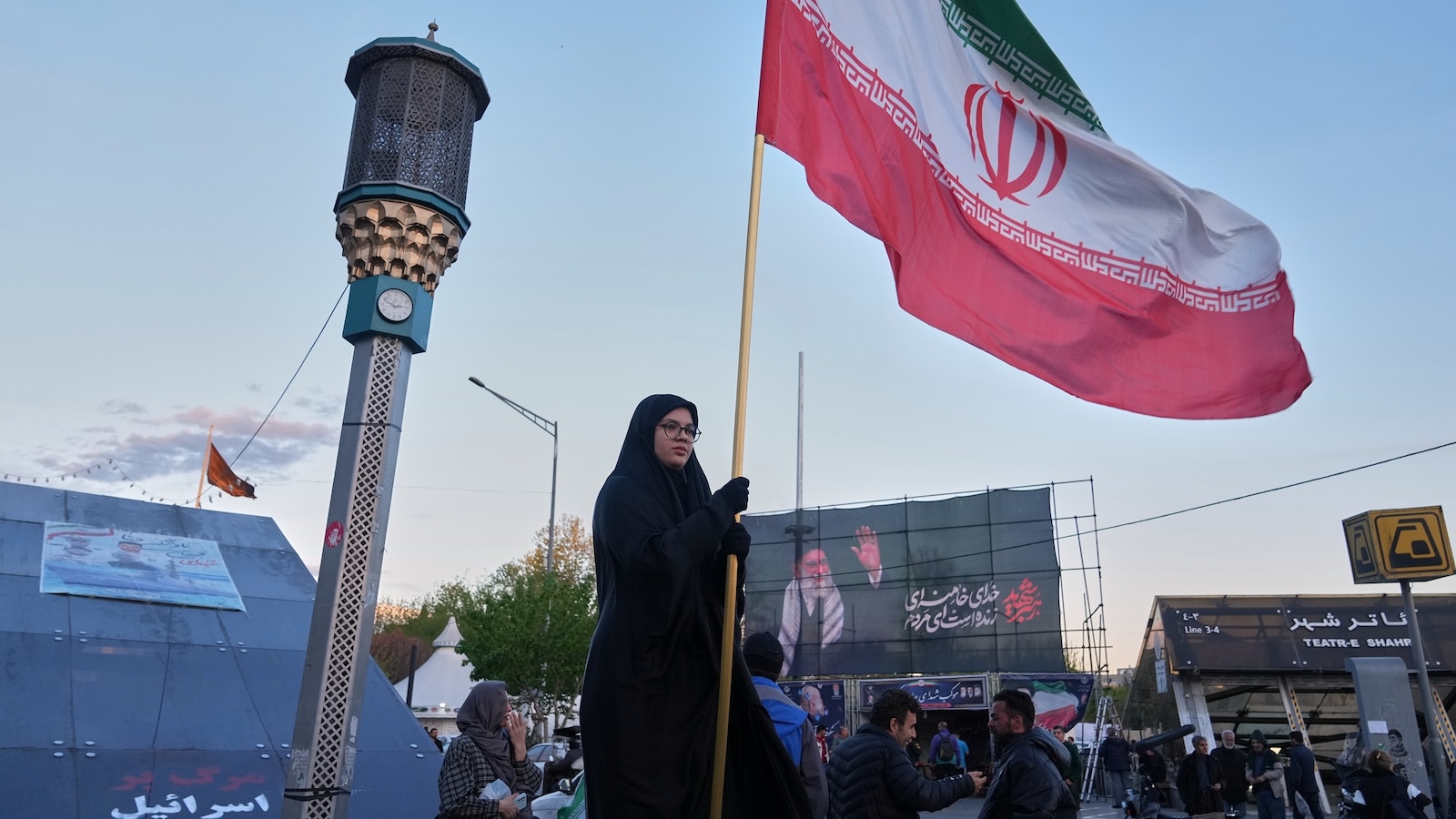
The overnight strike on Ali Al Salem came just hours before President Trump's self-imposed 8 p.m. Tuesday deadline for Iran to reopen the Strait of Hormuz or face what he described as a "complete demolition" of Iranian bridges and power plants. Trump told reporters at the White House Monday that "we have to have a deal acceptable to me," insisting on free passage of oil tankers through the strait as a non-negotiable condition. Iran's foreign minister publicly rejected any temporary ceasefire, calling for a permanent end to hostilities as a precondition for reopening the waterway.
The Kuwait strike is part of a broader pattern of Iranian attacks on Gulf states that host American forces and assets. Previous Iranian strikes have hit facilities in Bahrain, where the U.S. Navy's Fifth Fleet is headquartered, and targeted the Manama capital district on multiple occasions. At least 373 American service members have been injured since the war began, with 330 having returned to duty. Thirteen Americans were killed in an earlier attack on a facility in Kuwait in early March, according to a Washington Post investigation.
Democratic senators condemned Tuesday's attack while simultaneously criticizing the Trump administration's strategy. Senate Minority Leader Chuck Schumer called for an emergency congressional briefing, arguing that the escalating frequency of strikes on American forces demanded a coherent endgame from the White House. "Our troops are being attacked night after night, and this administration cannot tell us whether we are winding this war up or spiraling it outward," Schumer said in a statement released Tuesday afternoon. The White House press secretary, Karoline Leavitt, dismissed the criticism and said Trump remained fully focused on forcing Iran to reopen the strait before imposing any additional military measures.