Defense Secretary Says Iran Cease-Fire Stops Clock on Congressional War Authorization
Pete Hegseth testifies on eve of 60-day statutory deadline as Congress weighs whether to approve continued military action against Iran.
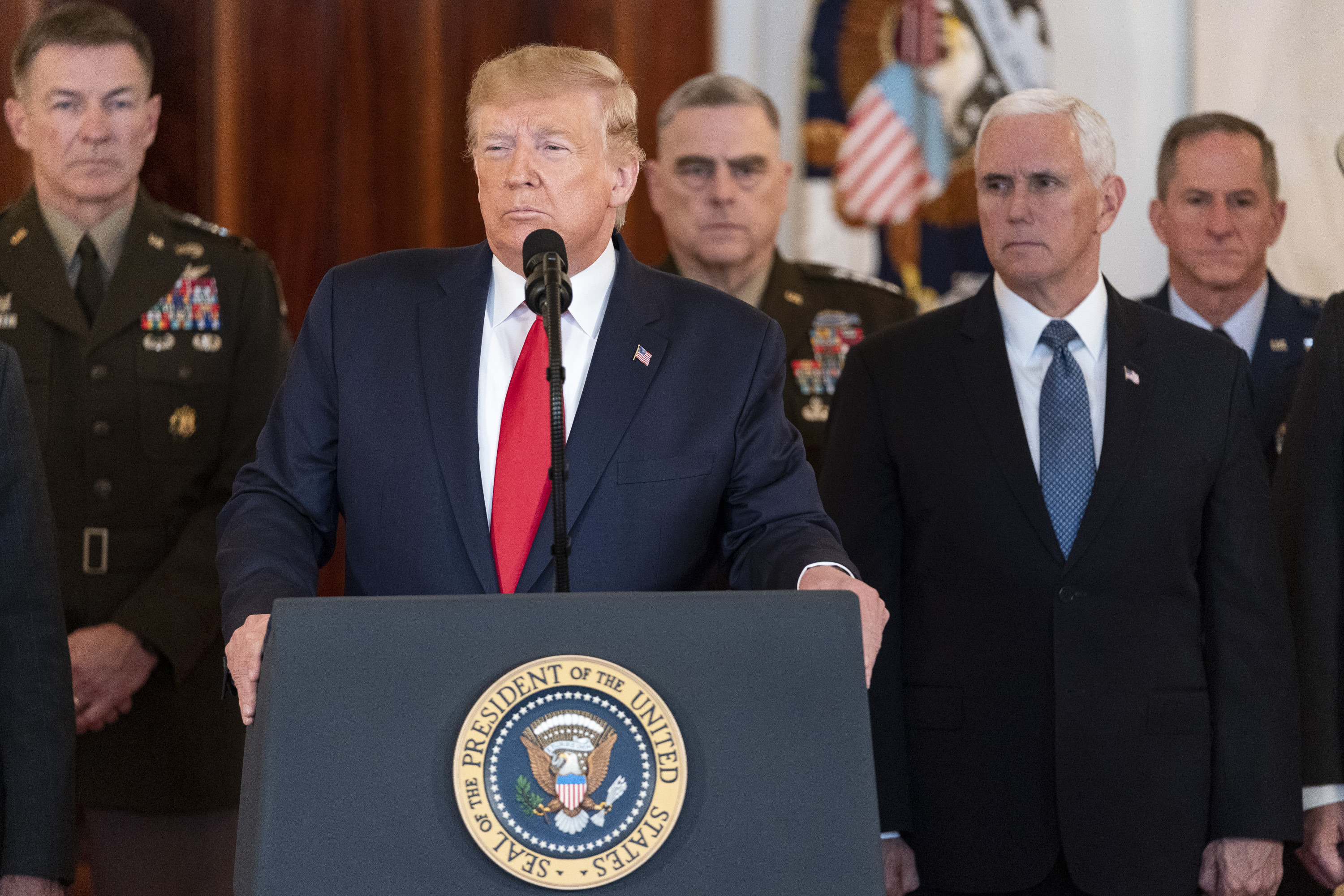
Defense Secretary Pete Hegseth told Congress on Wednesday that the recently announced cease-fire with Iran effectively stops the clock on the 60-day statutory deadline requiring presidential authorization for continued military operations, as lawmakers prepare to debate whether to formally approve the ongoing conflict. Hegseth's testimony came just one day before the critical two-month mark that would force President Trump to either withdraw forces or seek explicit congressional approval to continue the fight.
The defense secretary argued that the temporary cessation of hostilities fundamentally changes the legal calculus surrounding the War Powers Resolution, which requires presidents to obtain congressional authorization for military operations lasting longer than 60 days. Hegseth maintained that while U.S. forces remain positioned in the region and ready to resume operations if the cease-fire collapses, the current pause in active combat operations means the countdown timer should be reset.
Congressional leaders from both parties expressed skepticism about the administration's legal interpretation, with several senators questioning whether a potentially temporary cease-fire should have such significant implications for constitutional war powers. Senate Majority Leader Chuck Schumer indicated that Democrats would likely push forward with a resolution demanding full congressional authorization regardless of the cease-fire status, arguing that the conflict's scope and duration require legislative approval.
Republican lawmakers appeared divided on the issue, with hawkish members supporting continued military pressure on Iran while others raised concerns about the lack of clear objectives and exit strategy. Senator Rand Paul of Kentucky, a longtime critic of unauthorized military action, stated that "a cease-fire doesn't erase two months of warfare" and called for immediate congressional debate on the conflict's future.
The legal and political implications of Hegseth's position could prove crucial as tensions remain high throughout the Middle East region. Military analysts note that U.S. forces continue to maintain significant deployments in the area, with naval assets still enforcing the controversial blockade of Iranian shipping that helped trigger the current crisis. The cease-fire's fragile nature means Congress may need to act quickly to establish clear authorization parameters, as any resumption of hostilities would immediately restart the constitutional clock on war powers.