Peace Deal Between Iran and US Could Be Finalized Within 24 Hours, Mediator Says
Pakistan's prime minister expresses optimism as officials from both sides indicate progress in cease-fire negotiations, though agreement could still be derailed.
Topic
39 stories from Planck Standard. Latest: June 13, 2026.
Pakistan's prime minister expresses optimism as officials from both sides indicate progress in cease-fire negotiations, though agreement could still be derailed.

Two months after announcing a cease-fire, Iran, Israel and the U.S. remain trapped in low-intensity warfare that has become the new normal.

Analysts see little prospect of President Trump or Tehran backing down after escalating exchanges of fire raise fears of return to all-out war.

Negotiations between Washington and Tehran have reached a critical stage, with diplomats outlining potential paths forward on Iran's nuclear program amid ongoing regional tensions.

Both nations pull back after brief exchange of attacks, with Netanyahu refraining from further escalation under pressure from President Trump.

Markets plunge and energy costs spike as Middle East conflict threatens fragile cease-fire for first time since April.

Iran-backed group's leader dismisses U.S.-brokered truce, claiming the organization was excluded from negotiations.

Hezbollah's leader rejects U.S.-brokered deal between Israel and Lebanese government, escalating tensions along the northern border.

President meets with aides for two hours about possible cease-fire extension after earlier suggesting he was ready to make a decision on social media.
Emerging framework could extend cease-fire and set stage for broader negotiations, though President Trump has not yet signed off on the arrangement.

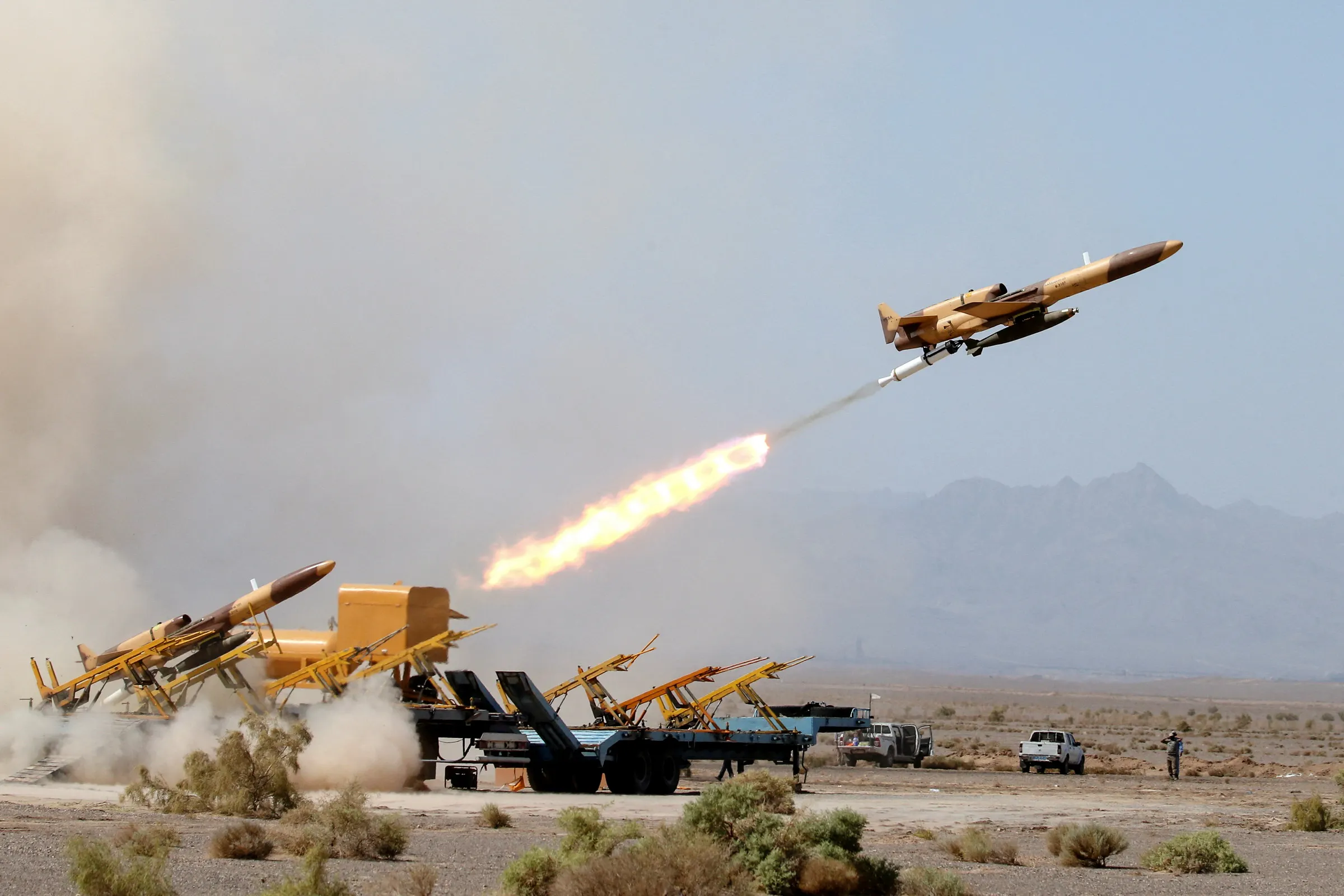
American forces targeted attack drones and ground control stations in southern Iran as a potential cease-fire hangs in the balance.

Officials from both sides indicate movement toward agreement despite widespread fears of renewed fighting across the region.

Pakistan and Qatar have dispatched emergency teams to Tehran as weeks of failed diplomacy threaten to collapse into resumed warfare.

The United States and Iran had been negotiating a 30-day extension to their cease-fire and reopening of the Strait of Hormuz before talks broke down.

Two countries discuss 30-day cease-fire extension and reopening of Strait of Hormuz amid ongoing military tensions.

Fighting between Israel and Hezbollah shows little sign of abating despite U.S.-brokered truce, with both parties claiming violations.

White House turns to rhetorical leaps as President tries to put biggest political crisis of his presidency behind him.

White House uses rhetorical gymnastics as president tries to move past biggest political crisis of his presidency while missiles continue flying.
Pete Hegseth testifies on eve of 60-day statutory deadline as Congress weighs whether to approve continued military action against Iran.

The pause in fighting had been set to expire within hours before President Trump announced the extension at Pakistan's request.

The truce appeared to hold despite Israeli strikes on alleged terrorists in southern Lebanon and the killing of a UN peacekeeper.

Hezbollah politicians affirm "cautious commitment" to the 10-day truce, which could remove obstacles to U.S.-Iran peace negotiations.

Displaced residents express mix of excitement and uncertainty as they attempt to return home during pause in fighting.

Israeli Prime Minister faces domestic criticism as most Israelis wanted continued fight against Hezbollah, critics question his ability to stand up to President Trump.

Prime Minister Netanyahu and Lebanese government reached agreement, but Iranian-backed militia Hezbollah has not confirmed if it will abide by the temporary truce.

Prime Minister Netanyahu agreed to pause attacks on Hezbollah but Israeli troops will not withdraw from occupied positions.

Following weekend negotiations in Islamabad that produced two-week truce, Pakistan positions itself as mediator to sustain diplomatic momentum between warring nations.

Diplomatic efforts continue amid conflicting signals from White House about peace talks and war duration.

Tehran continues restricting vital shipping traffic through the strategic waterway, forcing nations into deals that could strain relations with Washington.

Energy markets remain volatile as doubts grow about the durability of the peace agreement announced just two days earlier by President Trump.
Energy markets respond to growing uncertainty about the durability of the U.S.-Iran truce announced just two days earlier.
Britain, France and the European Union condemned Israel's strikes targeting Hezbollah, saying these threatened the fragile truce between the U.S. and Iran.

Prime Minister Netanyahu vows to continue operations against Hezbollah as European diplomats call for Lebanon's inclusion in truce agreement.
Vice President JD Vance will lead U.S. delegation in critical weekend talks as limited truce agreement faces mounting pressure from multiple fronts.

Iran threatens retaliation over strikes on Hezbollah forces as confusion emerges over whether Lebanon was included in the truce.
Iranian officials say Chinese diplomatic intervention helped push Tehran to accept two-week deal with United States, highlighting China's stake in avoiding wider war.
Democrats raise serious questions about Trump's path forward while Republican leaders remain notably silent on de-escalation decision.
President's decision to back down from threats brings tentative calm to global markets and diplomacy, though fundamental divisions with Tehran remain unresolved.
Tehran offers counter-terms including reparations demands while Israel seeks to dismantle weapons programs before potential war's end.