Iran Maintains Stranglehold on Strait of Hormuz Despite Cease-Fire Agreement
Tehran continues restricting vital shipping traffic through the strategic waterway, forcing nations into deals that could strain relations with Washington.
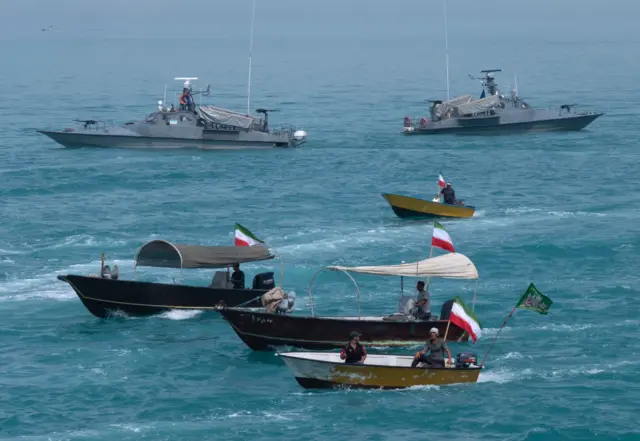
Iran continues to maintain strict control over maritime traffic through the Strait of Hormuz despite the recent cease-fire agreement, creating a complex diplomatic and economic challenge that extends far beyond the immediate conflict zone. The strategic waterway, through which approximately 20% of the world's oil passes daily, remains subject to Iranian restrictions that are forcing countries to negotiate separate agreements that could potentially put them at odds with United States policy.
The ongoing chokehold on Strait of Hormuz traffic represents one of the most significant economic leverage points Iran maintains in the aftermath of the conflict. Even with hostilities officially paused, Tehran's continued restrictions on shipping lanes are creating ripple effects throughout global energy markets and forcing allied nations to make difficult choices between energy security and diplomatic alignment with Washington.
Countries heavily dependent on energy imports through the strait are finding themselves in increasingly awkward positions as they seek to maintain both their energy supplies and their relationships with the United States. Several nations have reportedly entered into preliminary discussions with Iranian authorities about securing passage guarantees, negotiations that are proceeding largely outside of official diplomatic channels and without direct U.S. involvement.
The situation highlights the complex realities of post-conflict dynamics in the region, where cease-fire agreements do not necessarily translate into immediate normalization of commercial activities. Maritime insurance rates for vessels transiting the strait remain elevated, and shipping companies continue to factor significant risk premiums into their routing decisions, costs that are ultimately passed on to consumers worldwide.
U.S. officials are closely monitoring these bilateral negotiations between Iran and other nations, expressing concern that Tehran may be using its control over the strait to drive wedges between the United States and its allies. The administration faces the challenging task of maintaining coalition unity while addressing legitimate energy security concerns of partner nations who depend on Persian Gulf oil supplies for their economic stability.