U.S.-Iran Cease-Fire Hangs by Thread as Days of Military Strikes Test Both Leaders
Analysts see little prospect of President Trump or Tehran backing down after escalating exchanges of fire raise fears of return to all-out war.

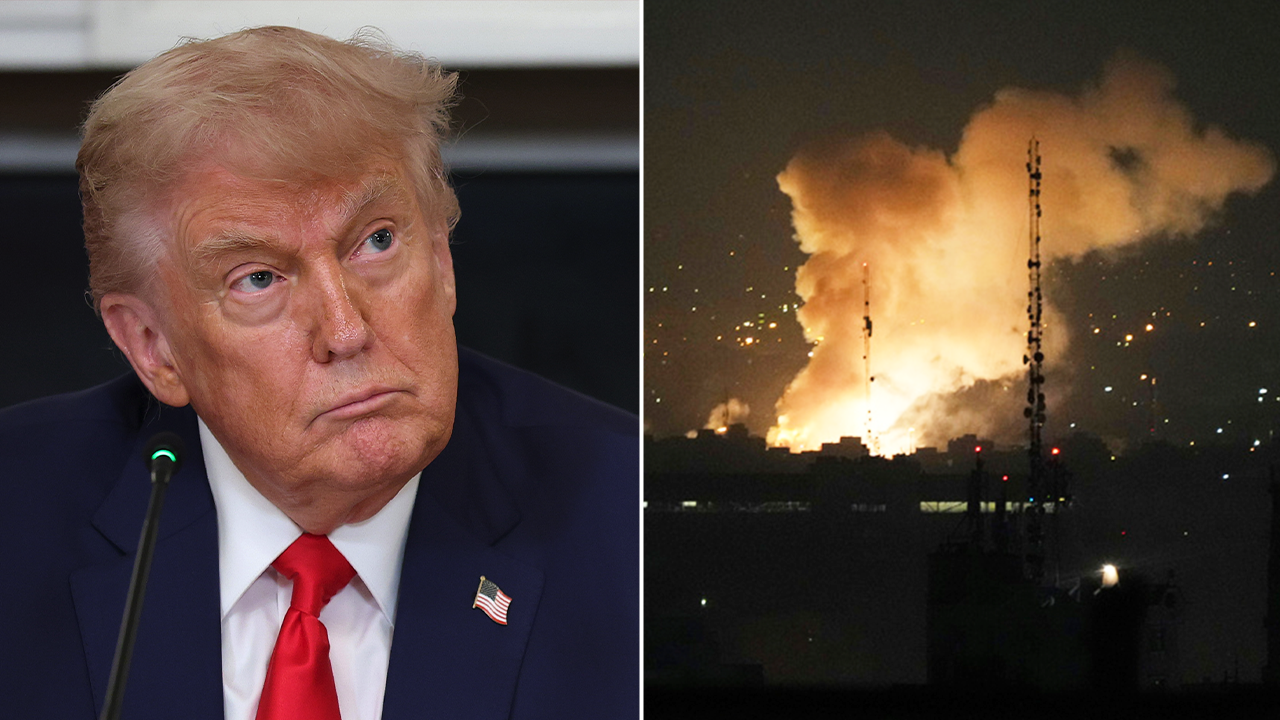
A fragile cease-fire between the United States and Iran faces its greatest test yet as both nations continue exchanging military strikes despite diplomatic efforts to prevent a return to full-scale conflict. The escalating confrontation has entered its second week, with analysts expressing deep skepticism about either President Trump or Iranian leadership showing willingness to de-escalate the dangerous standoff.
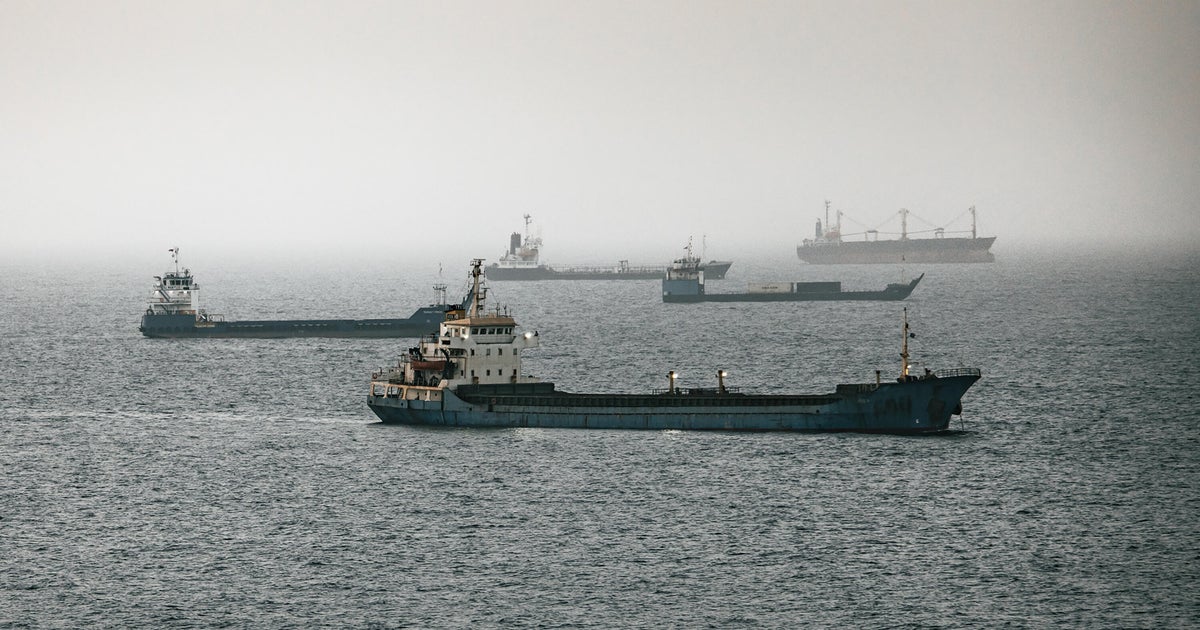
The latest round of hostilities has seen American forces strike what military officials described as an Iranian oil tanker, while Tehran has responded with attacks on U.S. positions across the region. Three Indian nationals were reported killed in an earlier American attack at sea, adding an international dimension to the crisis that threatens to draw other nations into the conflict. The exchanges mark a significant deterioration from the temporary cease-fire that had brought a brief respite from hostilities.
Military commanders and foreign policy experts warn that the current trajectory could lead to a broader regional war, with both sides appearing committed to demonstrating strength rather than seeking diplomatic solutions. The Trump administration has maintained its aggressive posture despite international calls for restraint, while Iranian officials have vowed to respond to any further American military action with proportional force.
The breakdown of the cease-fire comes at a particularly volatile moment in Middle Eastern geopolitics, with regional allies of both nations watching closely for signs of further escalation. Oil markets have reacted nervously to the renewed fighting, with energy prices climbing as investors worry about potential disruptions to global supply chains that run through the strategically important Persian Gulf region.
Diplomatic sources suggest that back-channel communications between Washington and Tehran continue, but the public rhetoric from both capitals has hardened considerably in recent days. The international community faces growing pressure to intervene before the situation spirals completely out of control, though previous mediation efforts have yielded limited results as both sides appear determined to test each other's resolve through military means rather than negotiations.