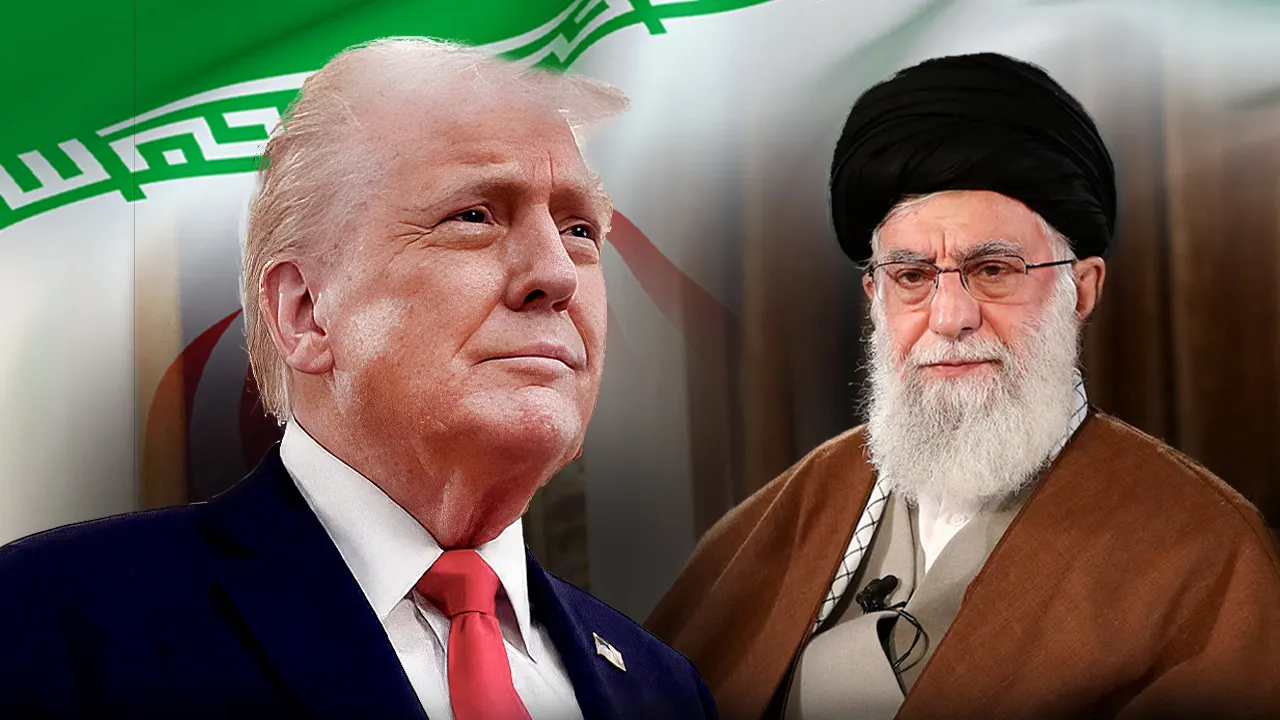
Iran and Israel Locked in Dangerous Limbo as Nominal Cease-Fire Masks Ongoing Violence
Two months after announcing a cease-fire, Iran, Israel and the U.S. remain trapped in low-intensity warfare that has become the new normal.
Iran, Israel and the United States find themselves trapped in a precarious state of suspended conflict that has persisted for two months since announcing a nominal cease-fire. The arrangement has failed to bring genuine peace, instead creating what officials describe as a "dangerous limbo" where low-intensity violence continues to simmer beneath the surface. This ongoing tension has established a troubling new normal in the Middle East, with each side maintaining military pressure while avoiding full-scale escalation.
The current situation represents a fundamental shift from traditional concepts of war and peace, creating unprecedented challenges for diplomatic resolution. Unlike previous conflicts in the region that ended with clear victories or comprehensive peace agreements, this arrangement leaves all parties in a state of perpetual readiness for renewed hostilities. Military analysts suggest that this limbo state may be more unstable than outright war, as it prevents the decisive resolution that could lead to lasting peace.
The cease-fire arrangement has proven fragile, with incidents of violence continuing to occur despite the formal agreement. These ongoing clashes, while not reaching the intensity of full-scale warfare, serve to maintain tensions and prevent any meaningful de-escalation. The persistence of these incidents has raised serious questions about the viability of the current arrangement and whether it can serve as a foundation for more comprehensive peace negotiations.
International observers have expressed growing concern about the sustainability of this delicate balance. The continued low-level hostilities threaten to escalate unexpectedly, potentially drawing the United States deeper into the conflict. Regional allies have warned that the current state of affairs creates unpredictable risks that could destabilize the broader Middle East if not properly managed.
The dangerous limbo has left world leaders searching for new diplomatic approaches to break the cycle of contained violence. Traditional peace-making strategies appear inadequate for addressing a conflict that exists in this gray area between war and peace. As the situation enters its third month, the international community faces mounting pressure to develop innovative solutions that can either formalize the cease-fire into lasting peace or provide clear pathways for conflict resolution.