Iran War Live: U.S. Launches Strikes on Iran as Tehran Claims Attacks on U.S. Fleet
Military exchange escalates after President Trump said Iranian forces shot down a U.S. Apache helicopter near the Strait of Hormuz.
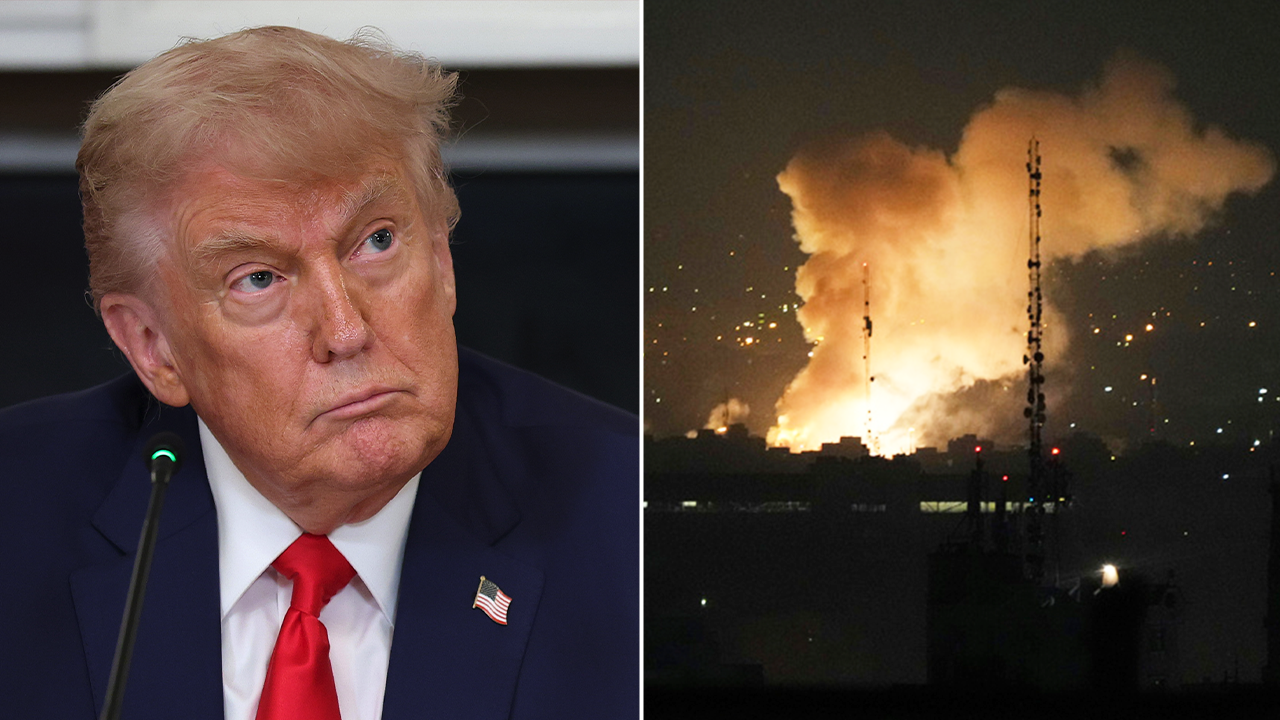
The United States launched military strikes against Iranian targets on Tuesday following claims by President Trump that Iranian forces had shot down a U.S. Apache helicopter near the strategically critical Strait of Hormuz. The military exchange represents a significant escalation in tensions between Washington and Tehran, with both sides claiming to have conducted successful operations against enemy forces. Iranian officials responded by asserting they had attacked elements of the U.S. naval fleet in the region, though the extent and success of these claimed operations remain unclear.
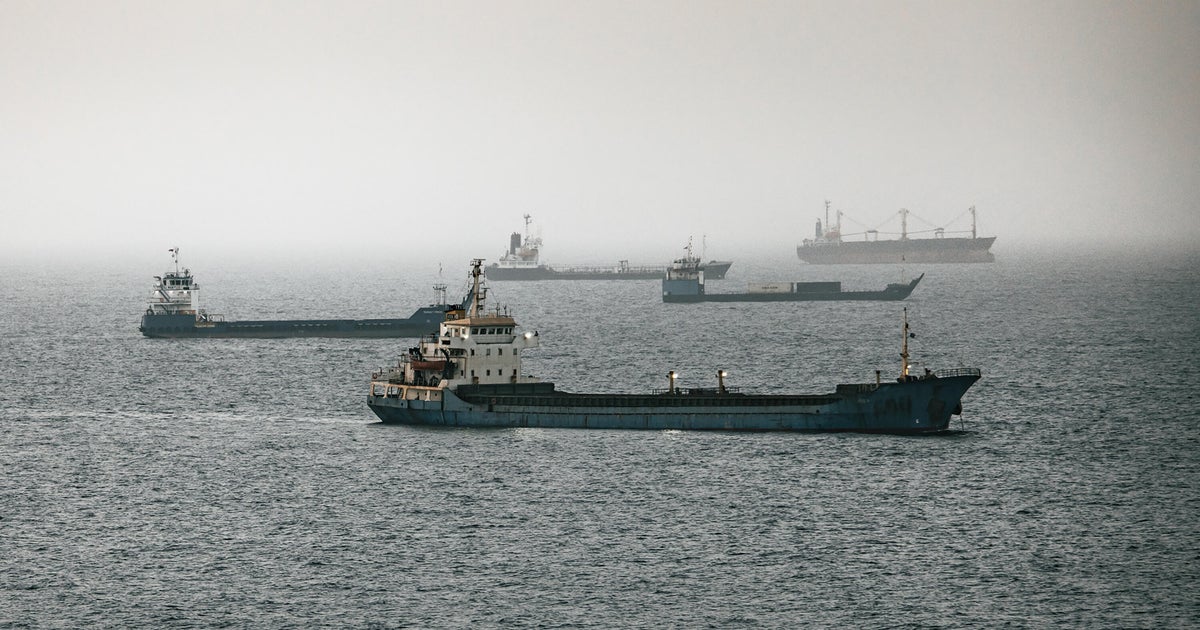
The Strait of Hormuz, a narrow waterway through which roughly one-third of the world's seaborne oil passes, has become a focal point of military activity as both nations position forces in the region. The downing of the American helicopter, if confirmed, would represent the most serious direct confrontation between U.S. and Iranian forces in years. Military analysts note that the strait's strategic importance makes any conflict in the area particularly dangerous for global energy markets and international shipping.
President Trump's announcement of the helicopter incident came during remarks at the White House, where he vowed that the United States would respond decisively to what he characterized as an act of aggression by Iranian forces. The president did not immediately provide details about casualties from the helicopter incident or specify the nature of the retaliatory strikes that followed. However, defense officials indicated that the U.S. response was proportional and targeted military installations rather than civilian infrastructure.
Tehran's claims of attacks on U.S. naval forces have not been independently verified, and Pentagon officials have not confirmed any damage to American vessels in the region. The Iranian statements appear to be part of a broader information warfare campaign designed to project strength and deter further American military action. Regional observers note that both sides have incentives to portray their military capabilities as formidable while avoiding actions that could lead to broader regional warfare.
The exchange comes amid broader tensions over Iran's nuclear program and regional influence, with ongoing diplomatic efforts to prevent full-scale military conflict. International partners, including European allies, have called for de-escalation and a return to diplomatic channels to resolve differences. Oil markets reacted sharply to news of the military confrontation, with prices rising on concerns about potential disruptions to energy supplies from the Persian Gulf region, highlighting the global economic stakes involved in the crisis.