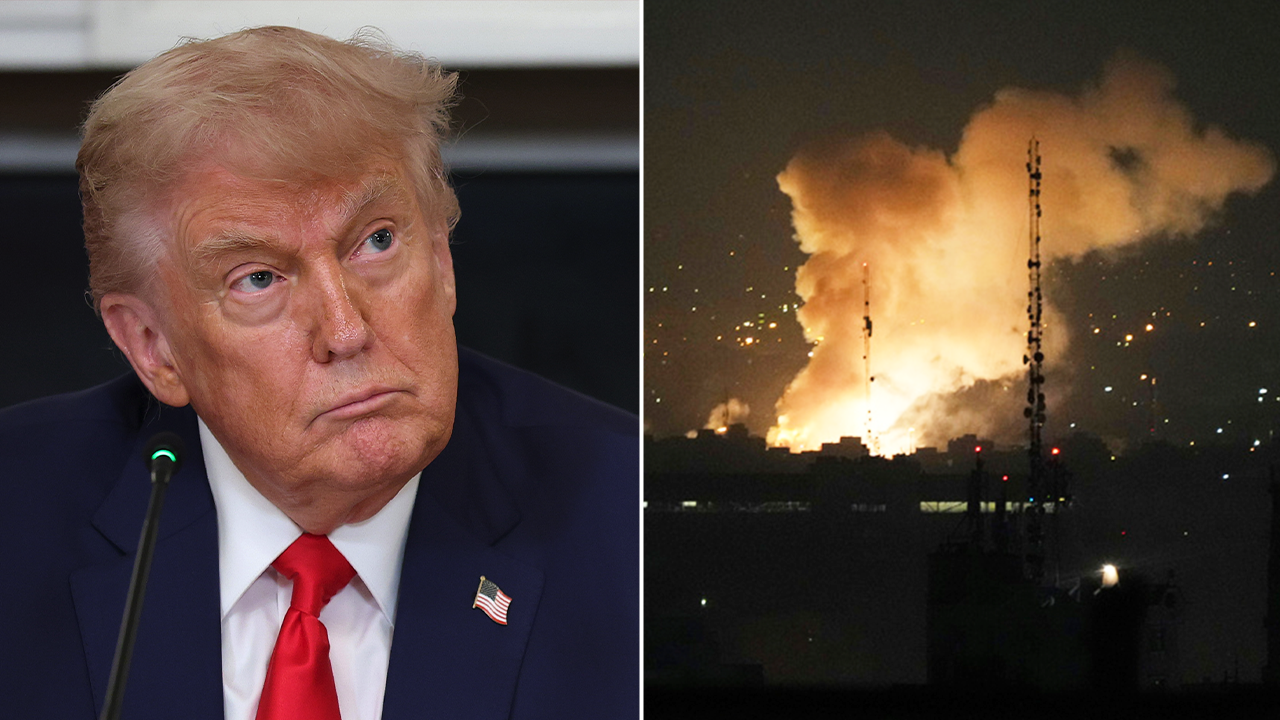
Trump Vows Retaliation After Claiming Iran Shot Down U.S. Helicopter Over Strait of Hormuz
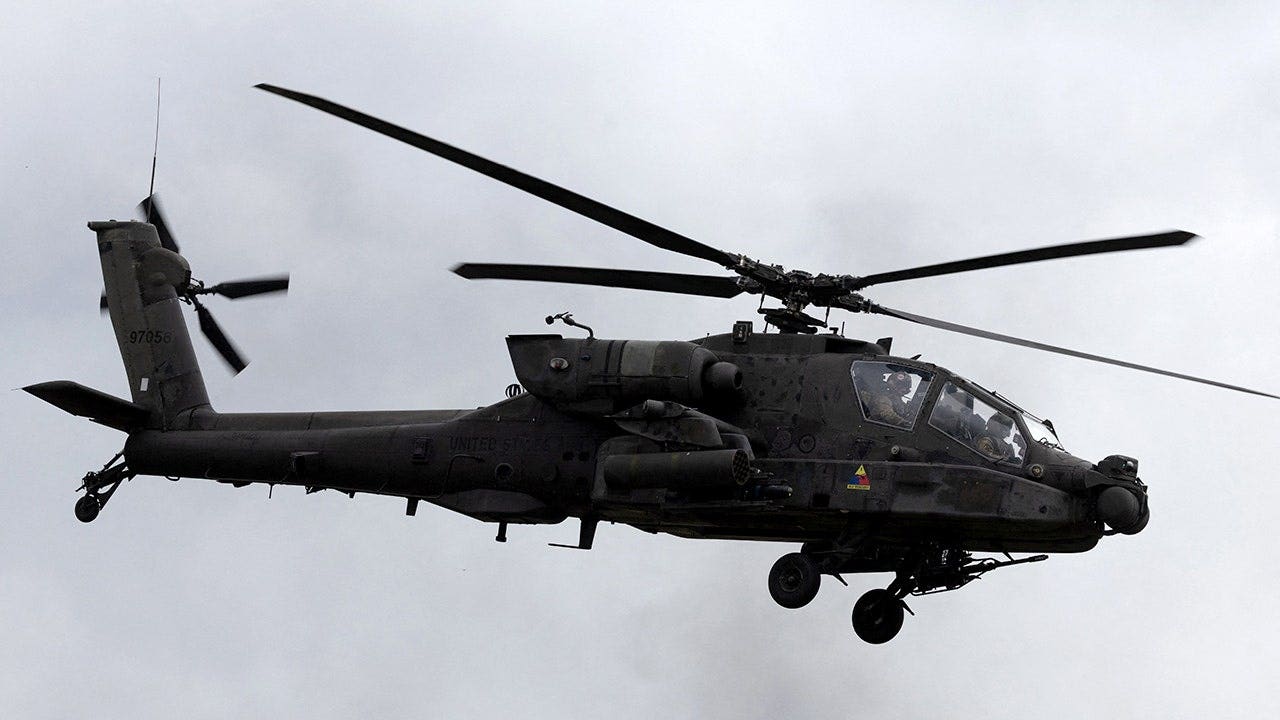
The president says Iranian forces downed an Apache helicopter and that the United States "must, of necessity, respond to this attack," while Central Command investigates the incident.
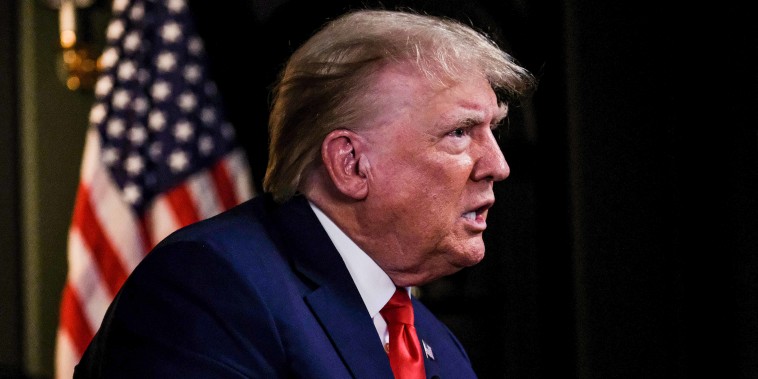
President Trump declared Tuesday that Iranian forces shot down a U.S. Apache helicopter over the strategically critical Strait of Hormuz and vowed that America would retaliate for what he characterized as an unprovoked attack. The incident marks a significant escalation in tensions between the two nations, occurring as diplomatic efforts to resolve the broader conflict have shown recent signs of progress.
U.S. Central Command confirmed that an American military helicopter had gone down in the region but stated that the incident remained under investigation. Military officials emphasized that both the pilot and gunner were safely rescued following the crash, though they have not yet publicly confirmed the president's assertion that Iranian forces were responsible for downing the aircraft.
The Strait of Hormuz represents one of the world's most important shipping chokepoints, with approximately one-fifth of global oil supplies passing through the narrow waterway. U.S. military assets regularly patrol the area to ensure freedom of navigation, but the presence of American forces in close proximity to Iranian territory has long been a source of tension between Washington and Tehran.
Trump's statement that the United States "must, of necessity, respond to this attack" signals a potential shift toward more aggressive military action, even as diplomatic channels between the two countries have remained open. The timing of the incident is particularly significant, coming just as negotiators from both sides have reportedly made progress on addressing four key issues related to Iran's nuclear program.
The helicopter incident could complicate ongoing peace efforts and test the durability of the current cease-fire arrangement between U.S. and Iranian forces. Military analysts note that any American retaliation could trigger a broader escalation that would derail diplomatic progress and potentially draw other regional powers into the conflict. The president's public commitment to respond puts additional pressure on military planners to develop options that demonstrate American resolve while avoiding actions that could spiral into a wider war.