U.S. Intelligence Shows Iran Retains Substantial Missile Capabilities Despite Trump Claims
Secret assessments reveal Iran has operational access to 30 of its 33 missile sites along the Strait of Hormuz, contradicting President's assertions about military degradation.

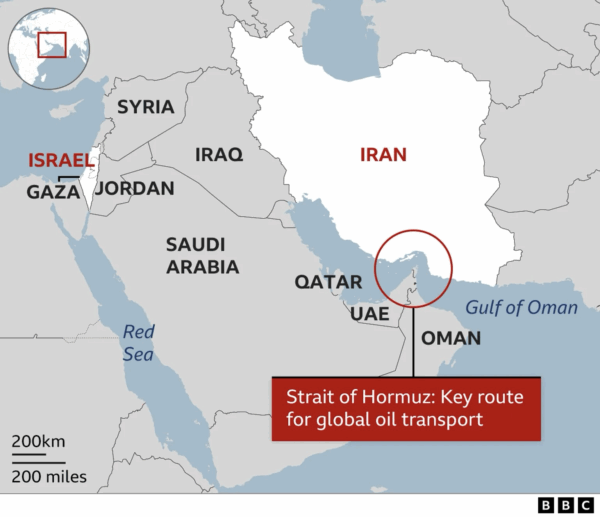
New classified intelligence assessments indicate that Iran maintains far greater military capabilities than President Trump has publicly acknowledged, with the country retaining operational control over nearly all of its strategic missile installations along the critical Strait of Hormuz. The secret evaluations show Iran has operational access to 30 of its 33 missile sites in the region, suggesting the Islamic Republic's military infrastructure remains largely intact despite ongoing hostilities.
The intelligence findings directly contradict President Trump's repeated assertions that Iranian military capabilities have been severely degraded through American military action. The assessments paint a picture of an Iranian military that, while under pressure, retains substantial capacity to threaten commercial shipping and military vessels in one of the world's most strategically important waterways. The Strait of Hormuz serves as a chokepoint for roughly one-fifth of global oil shipments.
The revelation comes as the Trump administration faces mounting questions about the effectiveness of its military strategy against Iran. Administration officials have consistently portrayed the conflict as progressing favorably for American interests, with the President claiming significant degradation of Iranian capabilities. However, the classified intelligence suggests a more complex and potentially troubling reality on the ground.
The missile sites along the Strait of Hormuz represent a critical component of Iran's defensive strategy, capable of threatening both military and civilian vessels attempting to navigate the narrow waterway. Intelligence analysts noted that Iran's retention of these capabilities could complicate efforts to reopen the strait, which has remained largely closed to commercial traffic since the conflict began. The closure has contributed to rising global energy prices and supply chain disruptions.
The discrepancy between public statements and classified assessments raises questions about the administration's transparency regarding the conflict's progress. Defense officials declined to comment on specific intelligence findings, but acknowledged that Iranian capabilities remain 'a significant concern' for regional security and global commerce. The intelligence revelations come as President Trump prepares for his summit with Chinese President Xi Jinping, where energy security and regional stability are expected to be major topics of discussion.