U.S. Army Apache Helicopter Goes Down Near Oman During Patrol; Trump Says 'The Pilots Are Fine'
Both crew members of the AH-64 were rescued within about two hours and reported in stable condition. The aircraft was patrolling international waters near the Strait of Hormuz as the U.S. enforces a blockade against Iran.
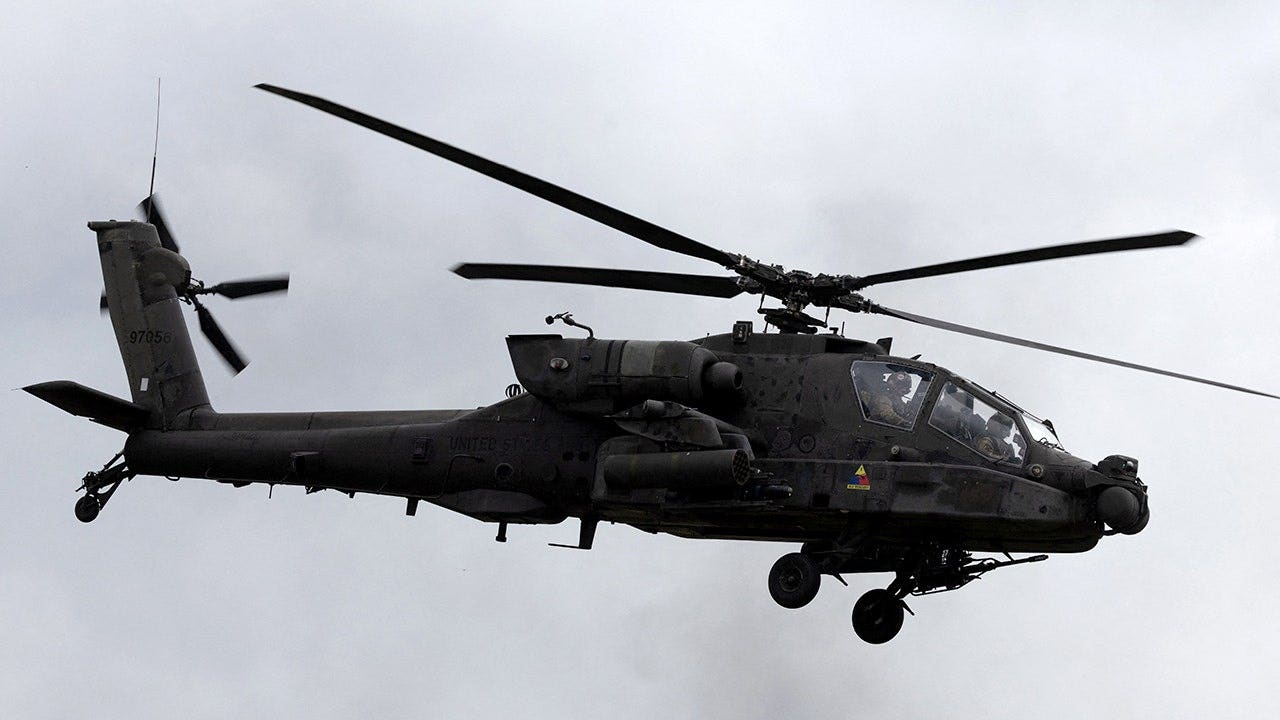
A U.S. Army AH-64 Apache attack helicopter went down near the coast of Oman on Monday evening while conducting a patrol over international waters, the military said, in an incident that briefly raised alarm as American forces enforce a naval blockade against Iran. Both crew members were rescued and reported in stable condition with no injuries.
The aircraft went down at about 7:33 p.m. ET during regional water patrol operations, according to military officials. Rescue crews reached the two aviators within roughly two hours. "The pilots are fine. Nobody injured. We are gonna issue a report tomorrow," President Trump told reporters, moving quickly to tamp down speculation that the downing might have been the result of hostile fire.
U.S. Naval Forces Central Command coordinated the rescue, with support from the 82nd Airborne Division and Air Force and Navy units, including the 5th Fleet's Task Force 59 — a unit known for integrating drones and unmanned surface vessels into Gulf patrols. U.S. Central Command said the cause of the incident remained under investigation and did not immediately characterize whether mechanical failure or any external factor was involved.
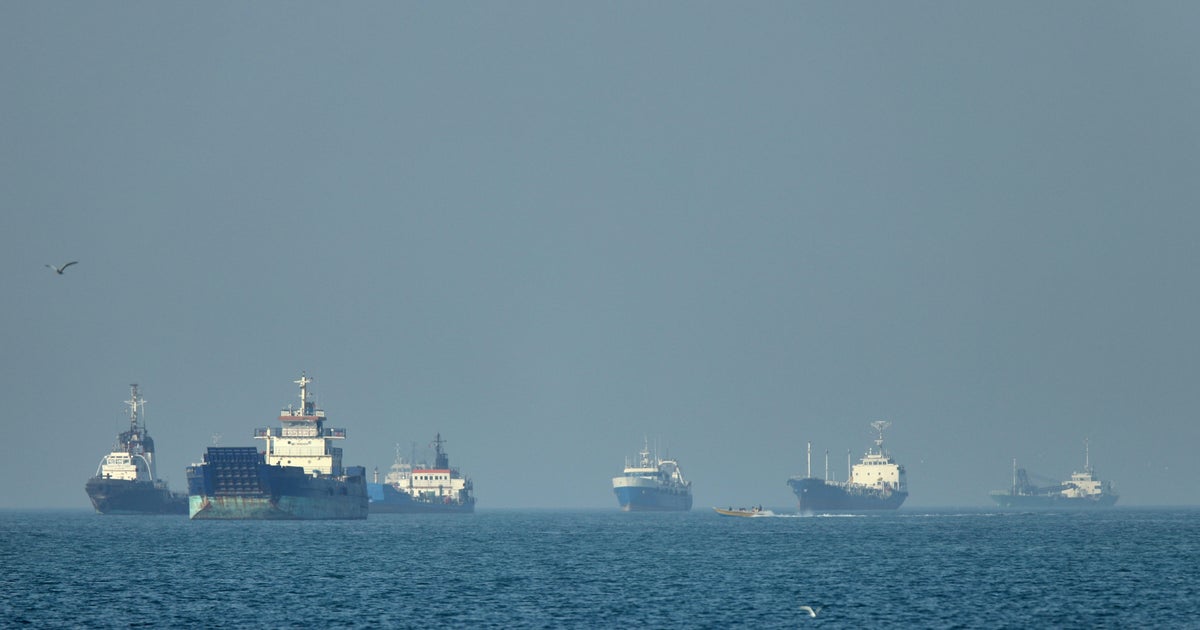
The episode unfolded against a tense backdrop in the waters around the Strait of Hormuz, the narrow chokepoint through which roughly a fifth of the world's seaborne oil passes. American forces have been enforcing a blockade tied to the broader conflict with Iran, raising the stakes of any military mishap in a corridor where a miscalculation can ripple quickly across the region and global energy markets.
Apache helicopters, heavily armed and used for close air support, reconnaissance and maritime interdiction, are a workhorse of Army aviation. Crashes — whether from mechanical trouble, weather or operational hazards — are not uncommon during sustained, high-tempo operations, and the military typically convenes a safety investigation board to determine the cause. Officials said the two-seat crew had been performing a routine patrol when the aircraft went down.
Still, the timing drew immediate attention given the weekend's exchange of strikes between Israel and Iran and the fragile halt in fighting brokered only hours earlier. A downing perceived as combat-related could have complicated the delicate diplomacy underway, which is one reason Trump and Pentagon officials moved swiftly to emphasize that the crew was safe and that no enemy fire had been confirmed. Officials said a fuller account would follow once investigators completed their initial review, and that the recovered aviators were being evaluated as a precaution.