Hezbollah Rejects Israel-Lebanon Cease-Fire Deal, Calls It Surrender
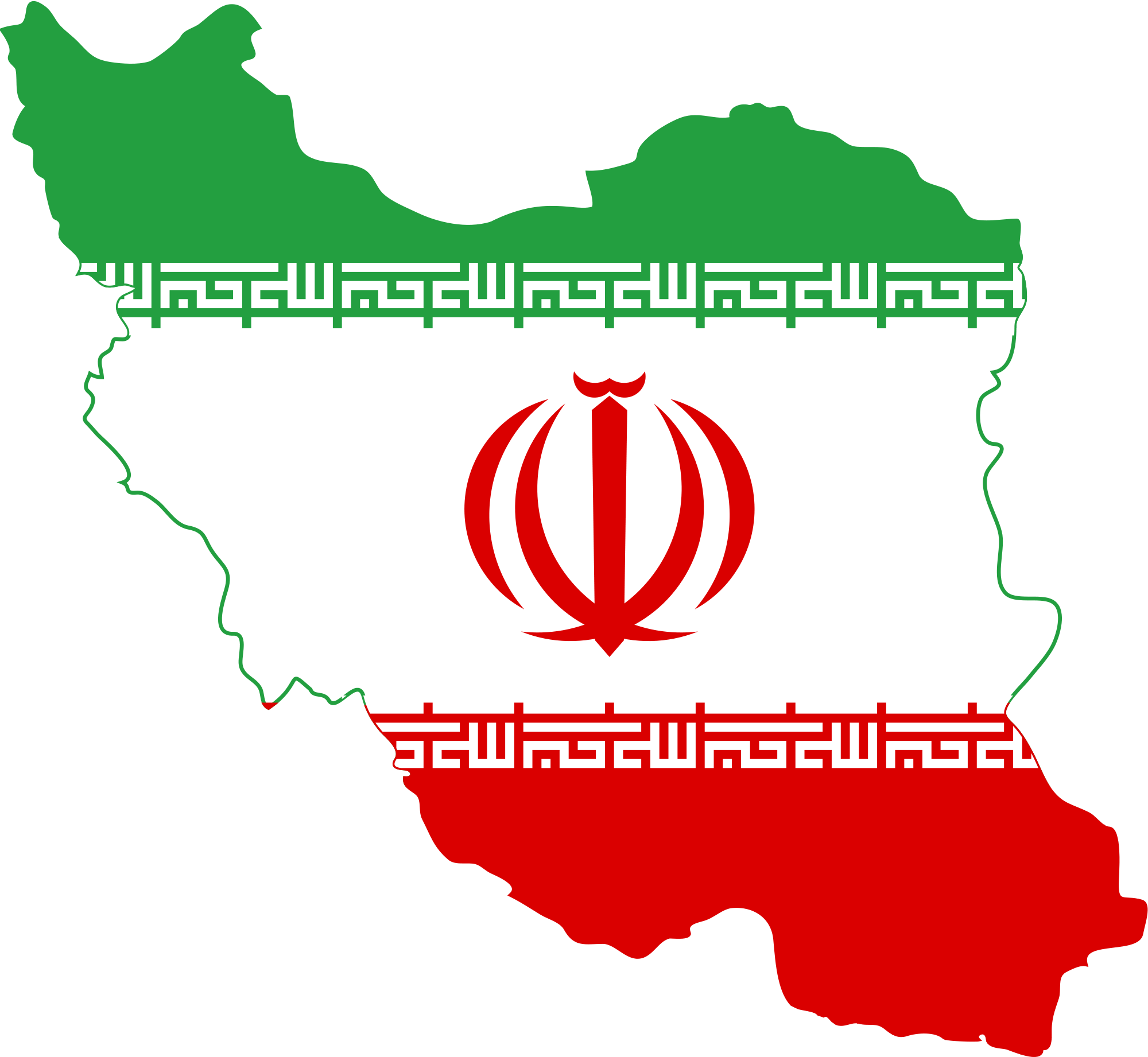
Iran-backed group's leader dismisses U.S.-brokered truce, claiming the organization was excluded from negotiations.

Hezbollah has firmly rejected a cease-fire agreement between Lebanon and Israel that was brokered by the United States, with the Iran-backed militant group's leadership denouncing the deal as tantamount to surrender. The rejection by Hezbollah, which was notably excluded from the U.S.-mediated talks, threatens to undermine efforts to establish lasting peace along the volatile Lebanon-Israel border.
The cease-fire agreement was negotiated between Israeli officials and the Lebanese government without direct participation from Hezbollah, despite the organization's significant military presence in southern Lebanon and its role as a major political force within the country. Hezbollah's leader argued that any agreement made without the group's consent cannot effectively govern the organization's actions or guarantee stability in the region.
The U.S.-brokered talks represented an attempt to reduce tensions and prevent further escalation of conflict between Israel and Hezbollah forces. However, the exclusion of Hezbollah from the negotiating process has proven to be a fatal flaw in the diplomatic effort, as the group maintains substantial autonomous military capabilities and political influence that operate independently of the Lebanese government's official authority.
Hezbollah's characterization of the agreement as surrender reflects the organization's unwillingness to accept terms that would limit its military activities or reduce its strategic position along Israel's northern border. The group has invested heavily in building up its arsenal and defensive positions in southern Lebanon, viewing these capabilities as essential deterrents against Israeli military action and as tools for advancing Iranian regional interests.
The failure of this diplomatic initiative highlights the complex challenges facing efforts to achieve comprehensive peace in the region. Without Hezbollah's participation and agreement, any cease-fire arrangement between Israel and Lebanon remains vulnerable to violations and renewed conflict. The rejection also demonstrates Iran's continued influence over regional dynamics through its proxy organizations, complicating future diplomatic efforts to address the underlying sources of tension between Israel and its neighbors.