Iran and Israel Threaten New Military Action as War Escalates Across Region
Israel issues evacuation orders for Beirut suburbs while Iran's military warns of retaliatory attacks in response to expanding conflict.

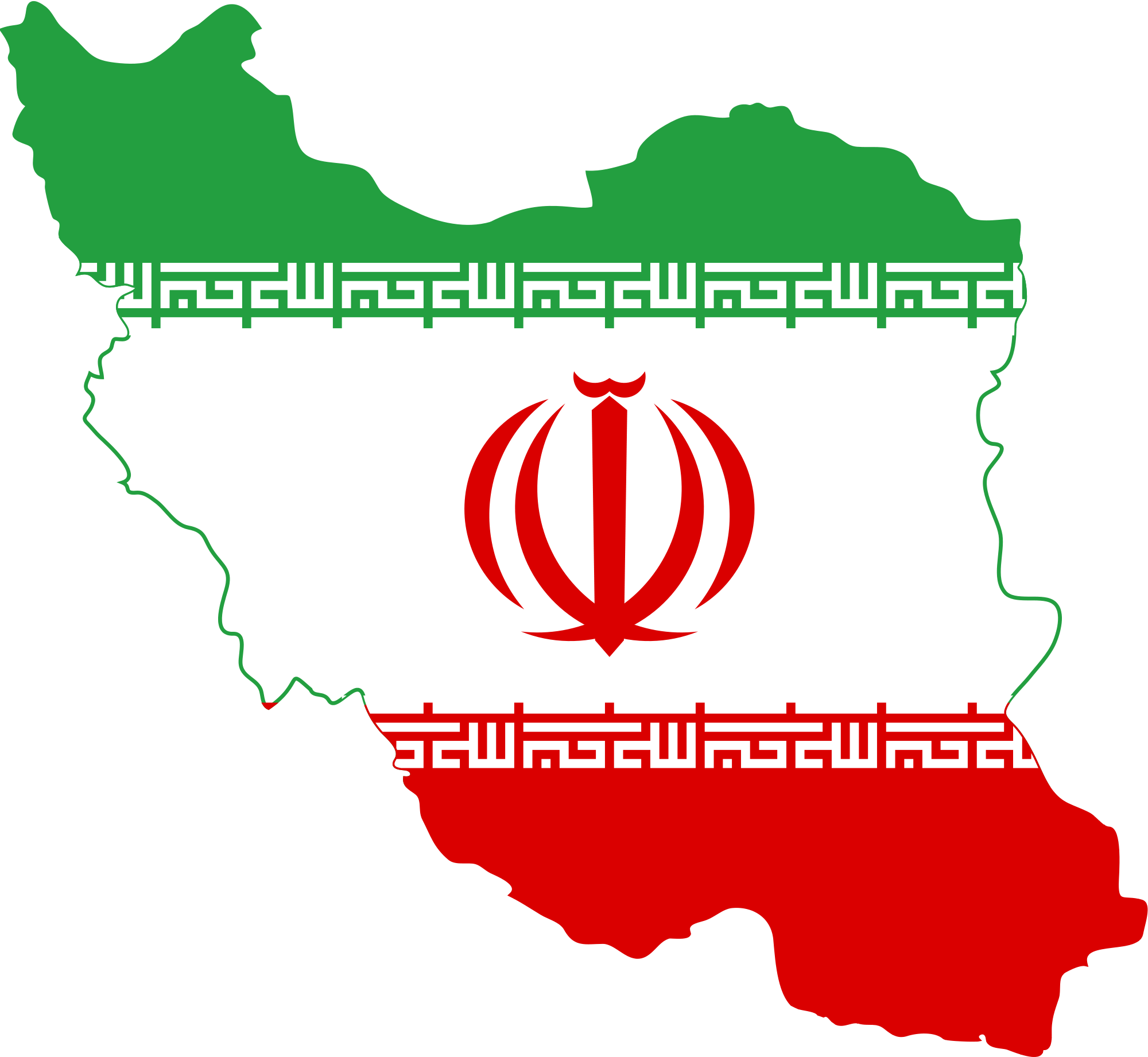
The conflict between Iran and Israel has intensified dramatically with both nations threatening new military action across multiple fronts in the Middle East. Israel has issued evacuation orders for Beirut's southern suburbs, a stronghold of Iran-backed Hezbollah, while Iran's military command has warned of potential retaliatory attacks in response to Israeli operations. The escalating threats signal a dangerous expansion of hostilities that could draw additional regional powers into the conflict and destabilize the broader Middle East.
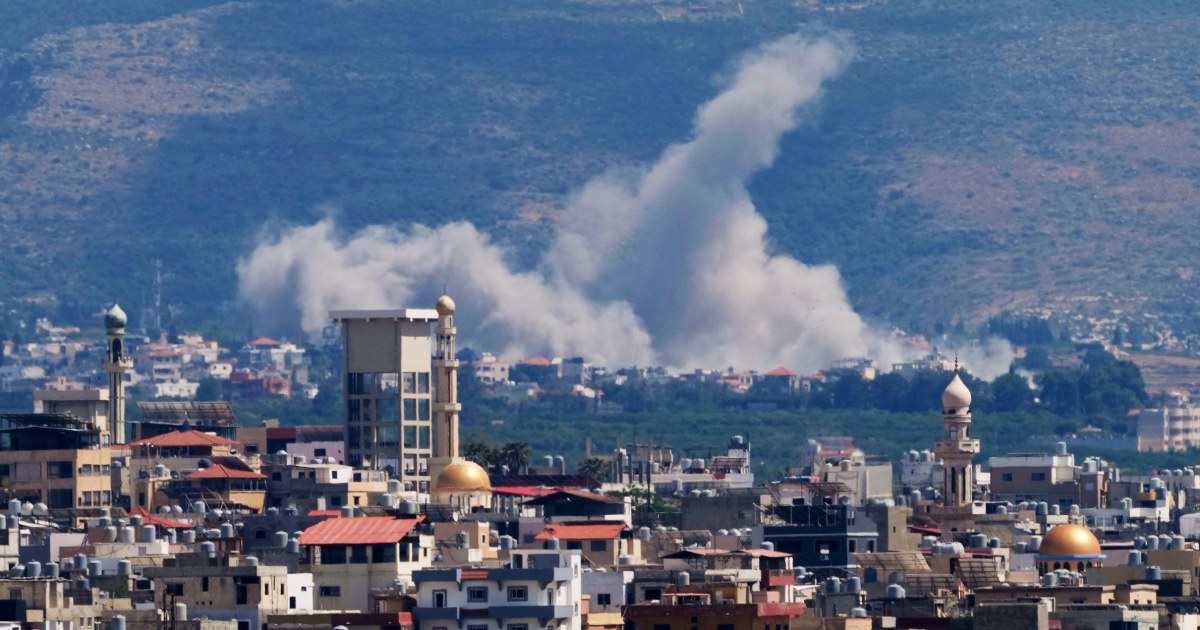
Israeli forces have focused their latest operations on Hezbollah positions in southern Lebanon, but the extension of evacuation orders to Beirut's densely populated southern outskirts represents a significant expansion of the battlefield. The Dahieh area houses hundreds of thousands of civilians alongside suspected Hezbollah infrastructure, raising international concerns about potential civilian casualties. Iranian military officials have characterized Israeli operations in Lebanon as a direct attack on Iranian interests, given Tehran's extensive support for Hezbollah.
Iran's warnings of retaliation come as the Islamic Republic faces mounting pressure from Israeli strikes on its proxy forces across the region. Intelligence sources suggest that Iran is considering direct military responses rather than relying solely on proxy groups like Hezbollah, Hamas, and various Shi'ite militias. Such a shift could dramatically escalate the conflict beyond the current proxy war framework that has characterized much of the fighting to date.
The expanding conflict has already disrupted global oil markets and prompted emergency diplomatic efforts from international mediators. European Union officials have called for immediate de-escalation while expressing concern that the fighting could spread to additional countries hosting Iranian proxy forces or Israeli interests. The United States has maintained military assets in the region but has not indicated whether it would directly intervene if the conflict escalates further.
Regional analysts warn that the current trajectory could lead to the first direct military confrontation between Iran and Israel since the Islamic Revolution in 1979. Both nations possess significant military capabilities, including advanced missile systems and air defense networks, making any direct conflict potentially devastating for civilian populations across the Middle East. The international community faces mounting pressure to broker a ceasefire before the situation spirals into a broader regional war that could reshape the geopolitical landscape of the Middle East for years to come.