Pope Leo XIV Resumes Papal Work Days After Lung Surgery Confirmed Cancer Diagnosis
The Vatican says the pope celebrated Mass and met a senior aide on Thursday, but has not disclosed the stage of the cancer or whether further treatment is planned.
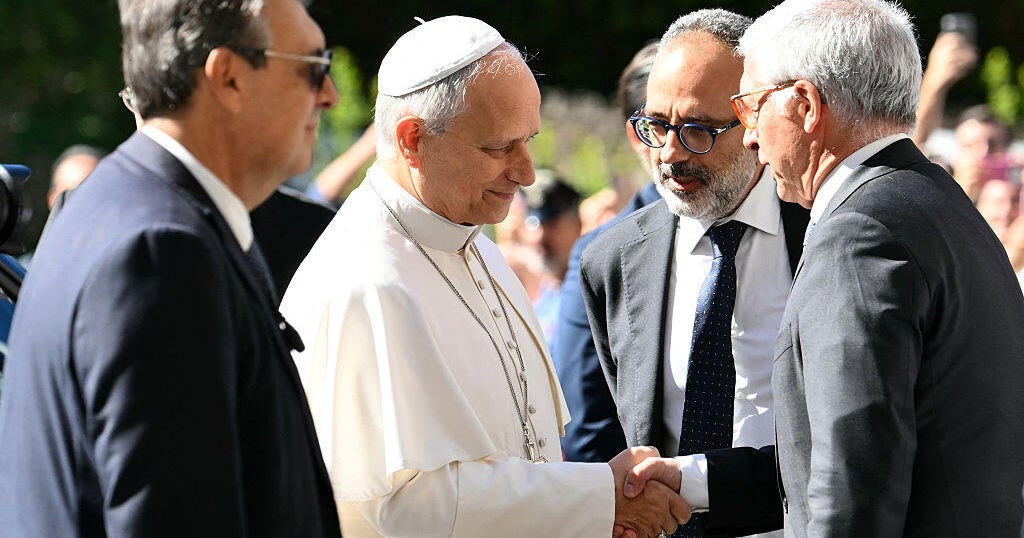
Pope Leo XIV has returned to some of his duties just days after surgeons removed a lobe of his right lung and the Vatican confirmed he has lung cancer, the Holy See said Thursday.
A Vatican spokesperson said the pope celebrated Mass around noon and began "a little bit of work activity," including reading documents. He also met with Archbishop Paolo Rudelli, the Vatican's undersecretary of state. Leo is scheduled to leave Rome's Gemelli Hospital on Oct. 20, a week after he was first admitted. The spokesperson said the pope would like to lead the Sunday Angelus prayer from the hospital, though it was not yet clear whether that would happen.
The pope's personal physician, Dr. Luigi Carbone, and thoracic surgeon Dr. Stefano Margaritora, who led the operation, said Thursday's chest X-ray showed "good recovery of the operated lung" and that his post-operative recovery "is progressing as expected." Leo has had at least one physiotherapy session. A day earlier, the Holy See Press Office said blood tests and a chest X-ray showed a "normal post-operative course," that he had begun walking around his room, and that he had resumed a regular diet, eating both breakfast and lunch.
The Vatican announced the cancer diagnosis on Tuesday, after the 90-minute operation. It said preoperative tests had pointed to the possible presence of cancer and that the lobe removed contained a localized nodular lesion. What it has not said is how advanced the cancer is, whether it has spread, or what its genetic makeup looks like.
Doctors who are not involved in the pope's care told CBS News the diagnosis is most likely lung adenocarcinoma, a common form of non-small cell lung cancer. "It's very common and also generally a very good prognosis when found early on," said Dr. Kalvin Lung, a thoracic surgeon at the Northwestern Medicine Canning Thoracic Institute. Lung said the surgery is routine and that patients typically recover quickly. CBS News chief medical correspondent Dr. Jon LaPook said such lesions "can actually be removed and even cured just by surgery alone."
Both doctors said the surgeons' decision to operate right away, rather than treat first with chemotherapy or immunotherapy, suggests the team believed the disease was confined. If so, Leo likely would not need further treatment. But LaPook cautioned that tests sometimes show a tumor is localized and the lymph nodes turn out to be involved, which would change the plan. "There are all these special tests you do," LaPook said, including checks of the tumor's genetic makeup and any markers that drive it to multiply. Recovery from the operation typically takes a few weeks.
Candida Moss, a professor of theology at the University of Birmingham in England, told CBS News that popes have a long tradition of staying as active as they can through illness. She pointed to Pope John Paul II, who lived with Parkinson's disease for a decade, and to Pope Francis. Vatican protocols call for the pope's cardinals and aides to take on as many duties as possible while he recovers, she said.
The pope's audiences are canceled through Oct. 20. Leo is expected to travel to South America next month, and the Vatican pointed to comments he made on Sunday in which he said he is looking forward to the trip.