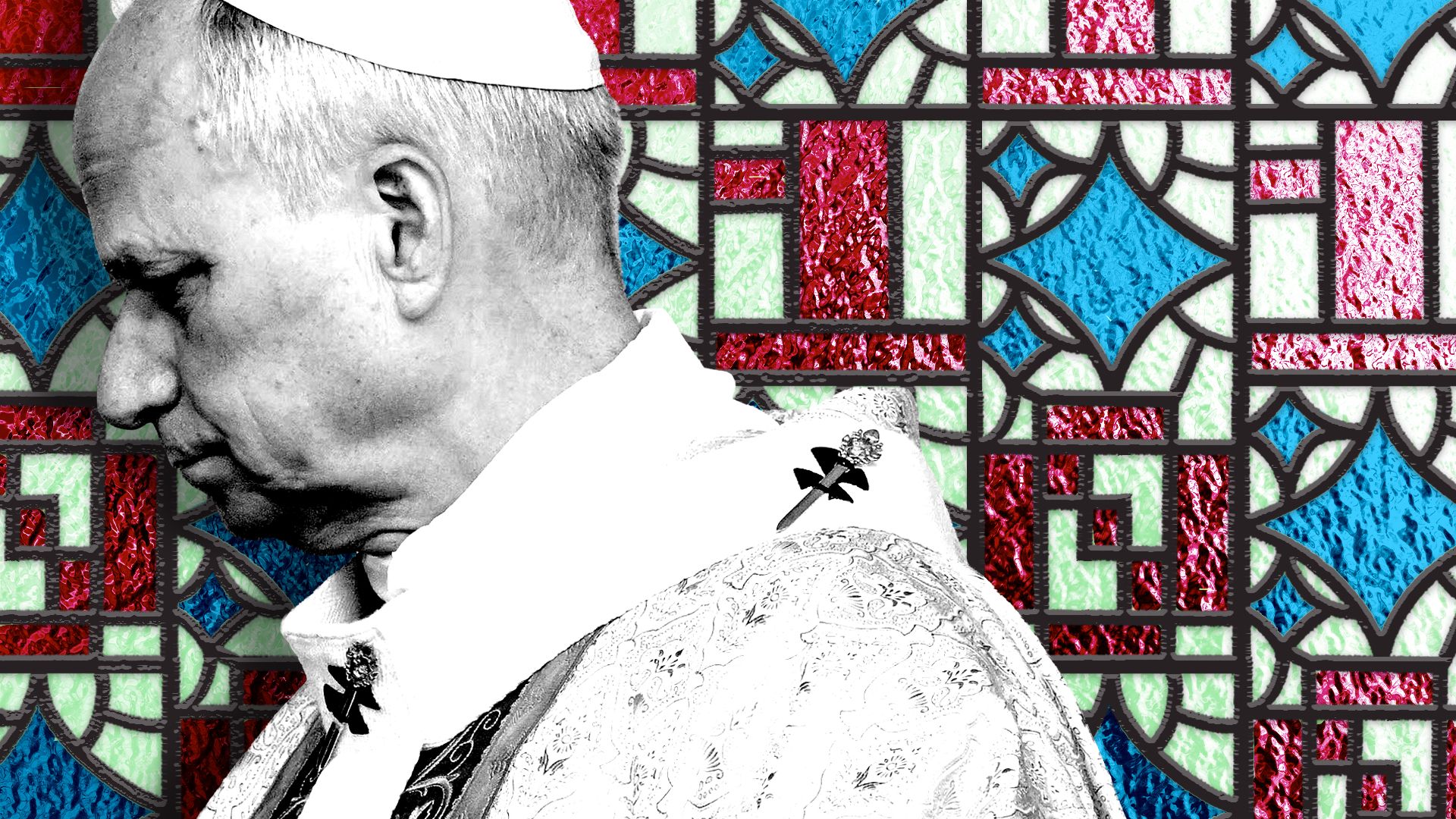
Pope Leo XIV Issues Historic 42,300-Word Encyclical Warning of AI's Threat to Human Dignity
The first American pontiff calls for putting care for humans at the heart of technological change in sweeping document addressing artificial intelligence risks.

Pope Leo XIV released a comprehensive 42,300-word encyclical on Sunday addressing the risks and ethical challenges posed by artificial intelligence, marking the most extensive papal commentary on technology in the Catholic Church's history. The document represents a powerful intervention by the leader of the Roman Catholic Church into the global debate about AI development and deployment, with the American-born pontiff calling for a fundamental reorientation of how humanity approaches technological advancement.
In the sweeping document, Pope Leo warns that artificial intelligence poses significant risks to human dignity and social cohesion if developed without proper ethical constraints. The encyclical emphasizes the need to place "care for humans at the heart of technological change," challenging the Silicon Valley approach that often prioritizes rapid innovation over careful consideration of societal impacts. The Pope's intervention comes at a time when AI development has accelerated dramatically, with major technology companies racing to deploy increasingly powerful systems.
The timing of the encyclical appears deliberate, coinciding with heightened concerns about AI's role in surveillance, decision-making, and potential displacement of human workers. Pope Leo specifically addresses how artificial intelligence could undermine human agency and dignity if deployed without adequate safeguards. The document calls for international cooperation in establishing ethical frameworks for AI development, suggesting that technological progress must be guided by moral principles rather than purely economic considerations.
The encyclical also critiques the concentration of AI development in the hands of a few major technology corporations, raising concerns about democratic oversight and accountability. Pope Leo argues that such powerful technologies should be subject to broader societal input and control, rather than being developed primarily by private companies with commercial interests. This represents a direct challenge to the current Silicon Valley model of AI development and deployment.
As the first American to serve as Pope, Leo XIV brings a unique perspective to these technological debates, having witnessed firsthand the rapid transformation of American society by digital technologies. The encyclical's length and detail demonstrate the Vatican's commitment to engaging seriously with contemporary technological challenges, building on previous papal teachings about technology while addressing the specific moral questions raised by artificial intelligence. The document is expected to influence Catholic institutions worldwide and contribute to broader policy debates about AI governance.