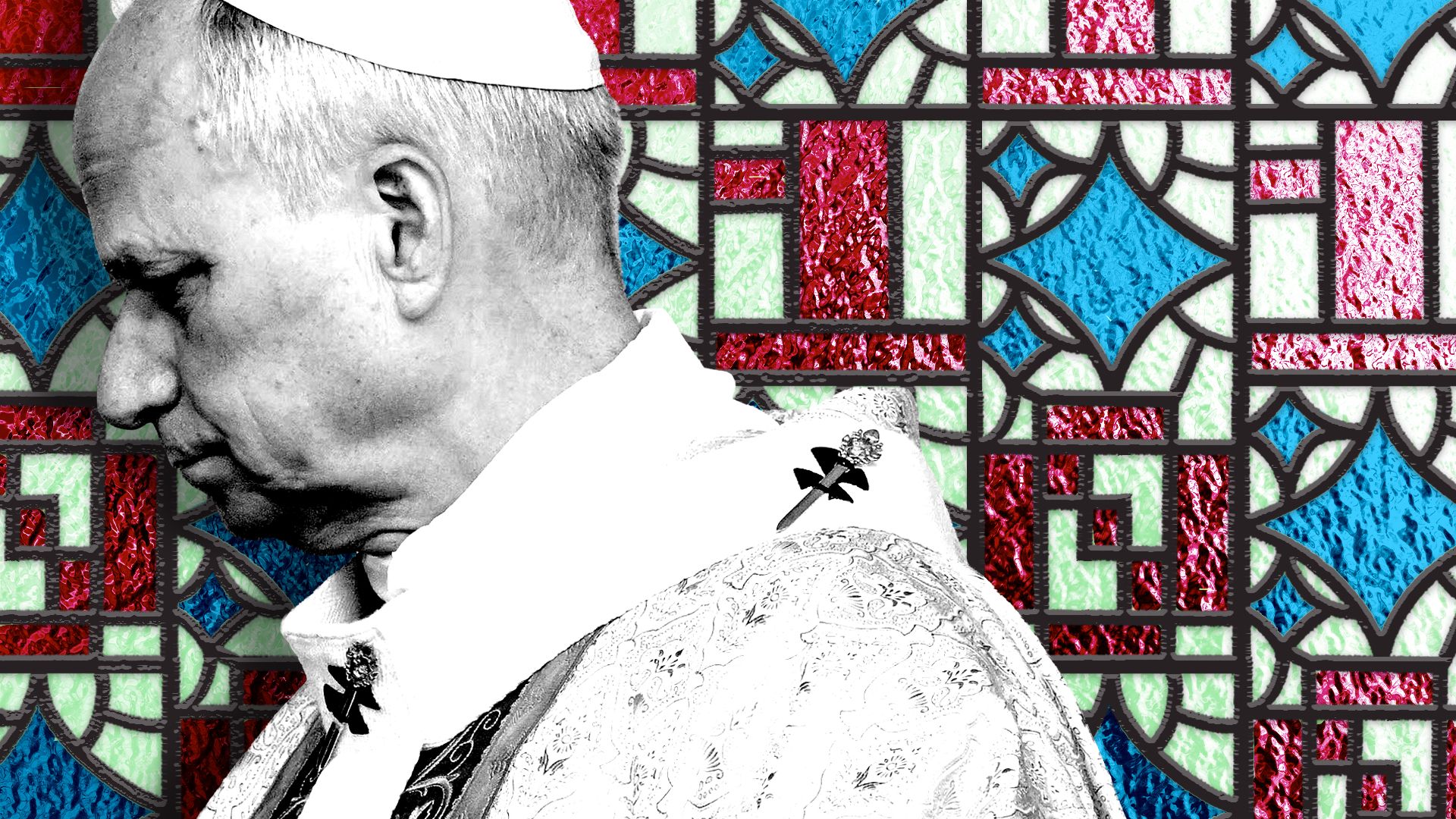
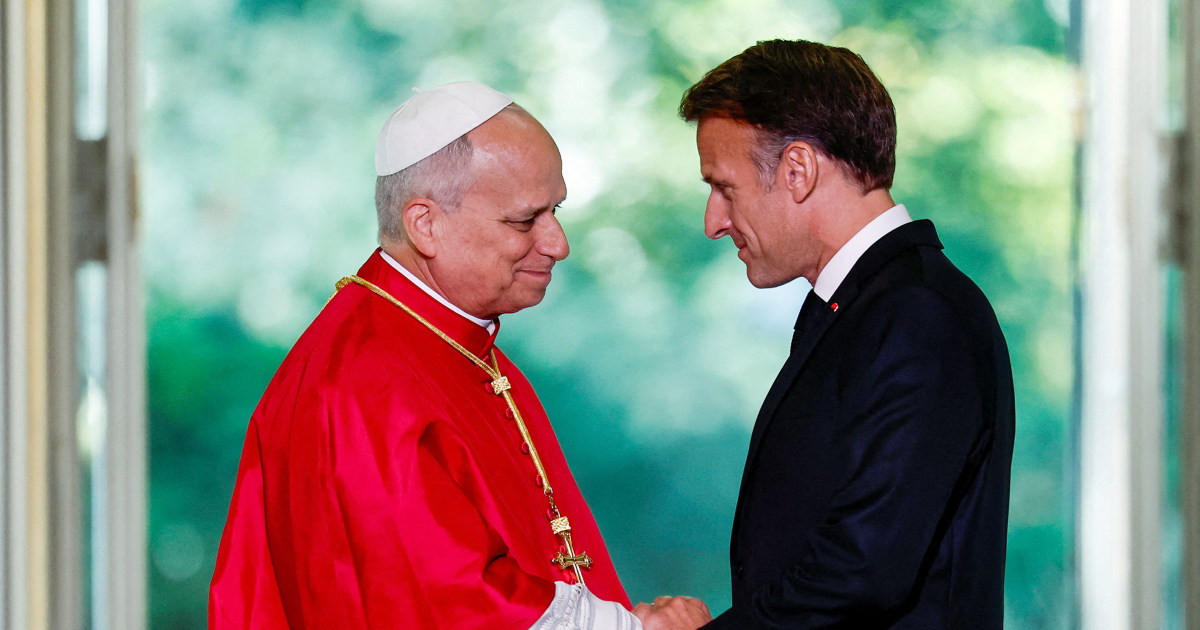
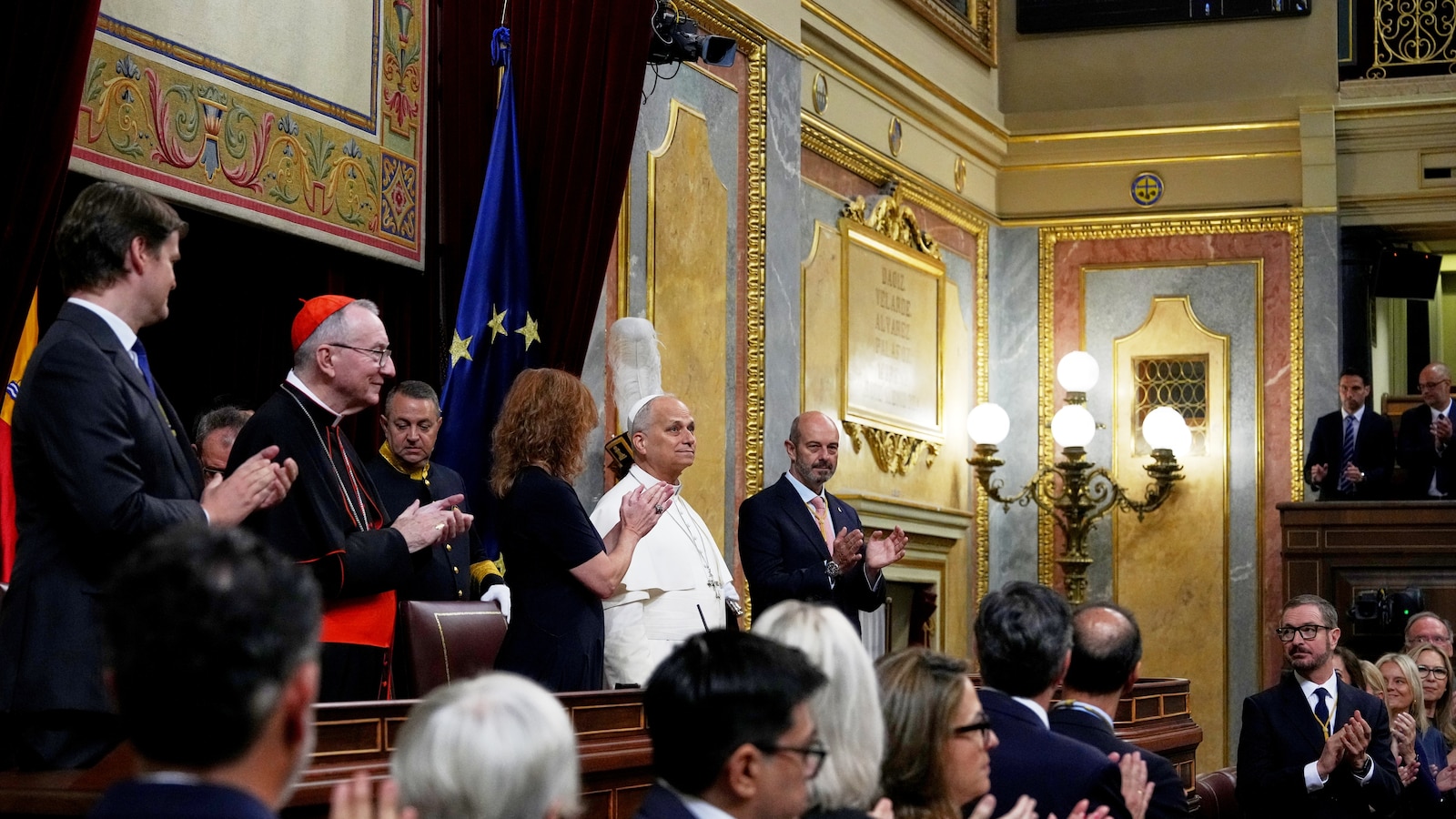
Pope Leo Warns AI 'Turns Every Router Into Surveillance Tool' in Sweeping 42,300-Word Encyclical
The American pontiff's massive document marks the Vatican's most powerful intervention yet in debates over artificial intelligence misuse and overuse.

Pope Leo XIV issued a sweeping 42,300-word encyclical on Monday warning that artificial intelligence poses unprecedented risks to human dignity and privacy, marking the most comprehensive intervention by the Roman Catholic Church into the global AI debate. The document, released using the centuries-old papal communication method known as an encyclical, represents a direct challenge to Silicon Valley's AI fever and the tech industry's rapid deployment of increasingly powerful systems.
The American pope's encyclical comes as AI technology has begun penetrating every aspect of daily life, from smartphone apps to workplace automation. Leo XIV specifically warned that ordinary WiFi networks could be transformed into "surveillance infrastructure," citing recent research showing that standard wireless signals can identify people with near-perfect accuracy even when they are not carrying devices. The pontiff's concerns extend beyond individual privacy to broader questions about AI's role in warfare, economic inequality, and human relationships.
The timing of the encyclical appears calculated to influence ongoing policy debates in Washington and European capitals about AI regulation. Tech companies have invested billions in AI development, arguing that the technology will solve major global challenges from climate change to disease. However, Leo XIV's document suggests the Vatican views unchecked AI advancement as potentially threatening core human values, including privacy, dignity, and authentic human connection.
Vatican observers note that encyclicals carry significant weight in Catholic teaching and often influence broader global discussions on moral issues. Leo XIV's decision to dedicate such an extensive document to artificial intelligence signals that the Church views AI as one of the defining moral challenges of the 21st century. The encyclical joins growing calls from lawmakers, ethicists, and some technologists for stronger oversight of AI development and deployment.
The Pope's intervention comes as Silicon Valley faces increasing scrutiny over AI safety and the rapid pace of technological change. Major tech companies have argued that slowing AI development could hand advantages to competitors, particularly in China. However, Leo XIV's encyclical suggests that religious and moral considerations should take precedence over competitive pressures, potentially adding new momentum to calls for international coordination on AI governance and safety standards.