Sally Rooney's Books Pulled From UK Sales Because She Funds Banned Group Palestinian Action
Publisher Faber says British terrorism law means it cannot legally pass her UK earnings on to her, so it will stop supplying her novels in any format.
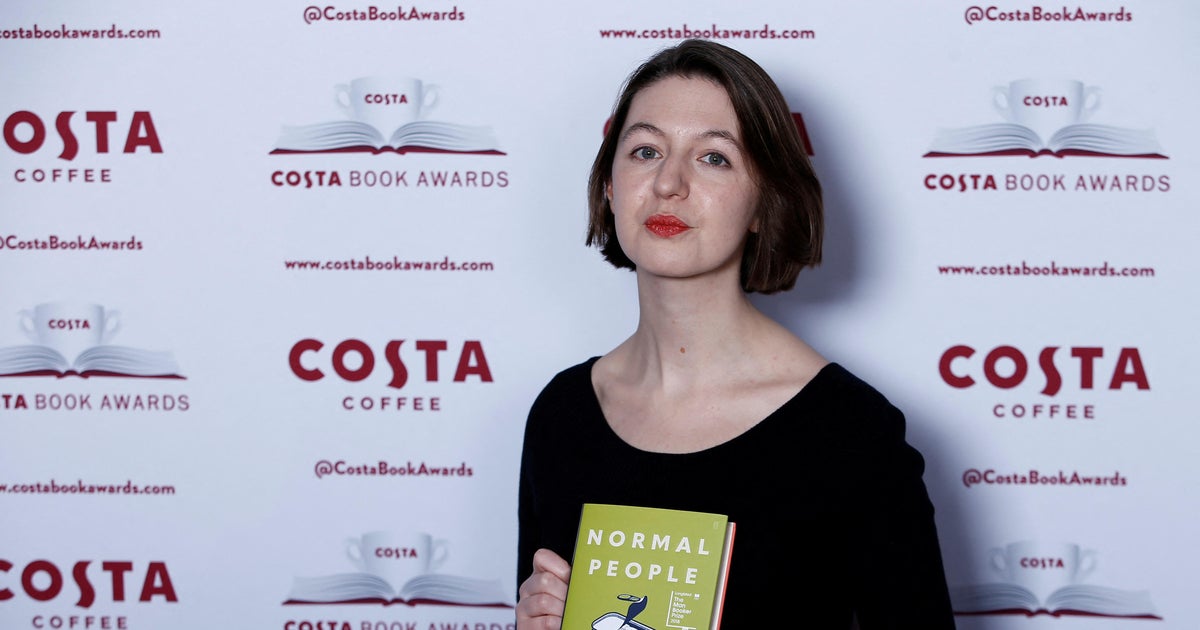
The books of Irish novelist Sally Rooney will no longer be sold in the United Kingdom, her publisher said this week, because she has pledged to donate her British earnings to a pro-Palestinian group that the UK government has banned as a terrorist organization.
"Current legislation in the UK has led to circumstances where Faber cannot pass on UK earnings to Sally Rooney for her work," Faber said in a statement. "To sell a writer's work and not be able to pass on earnings is an unconscionable situation for a publisher. As such, and in full agreement with Sally, we have taken the decision that we can no longer supply her works in the UK in any format."
Rooney, 35, is the author of "Normal People" and has long been called "the voice of a generation" for novels about millennial relationships that also take on class, gender and politics. She has said she believes Israel is committing genocide in Gaza, an allegation Israel vehemently denies. Last year she announced in an Irish Times opinion piece that she would use the British proceeds of her work "as well as my public platform generally, to go on supporting Palestine Action and direct action against genocide in whatever way I can."
Palestine Action says on its website that it uses "disruptive tactics" to target corporate "enablers" of the Israeli military-industrial complex. The group has targeted facilities linked to an Israeli weapons manufacturer. Last year it broke into Britain's largest air force base and spray-painted two aircraft red. It also vandalized one of President Trump's golf courses in Scotland in March last year, painting the words "Gaza is not 4 sale," and Trump called those responsible "terrorists."
The British government banned the group in July last year under the Terrorism Act 2000, saying its activity had increased in frequency and severity since the start of 2024 and that its members were willing to use violence. It was the first time the terrorist label had been applied to an organization that does not call for violence against people. Under the law, anyone who provides financial assistance to the group can face up to 14 years in prison.
Critics have called the ban disproportionate. U.N. Human Rights Chief Volker Türk urged the UK to rescind it, saying it limits the rights of many people who have not themselves engaged in any underlying criminal activity. Amnesty International UK said the country has a "deeply flawed and overly broad definition of terrorism." Since the ban took effect, several thousand people in Britain have been arrested for supporting the group, mainly for carrying placards and wearing T-shirts.
The ban has been fought in court. The UK's high court ruled against it in February, but the court of appeal later overturned that decision. The case goes to Britain's highest court next month. In August, the U.S. Treasury Department followed the UK's lead and sanctioned the group, calling its members "far-left terrorists."
Rooney said she has stopped traveling from Ireland to the UK for award ceremonies and other events since the law came into force, for fear of arrest. In a statement shared with NPR, she said she had been honest about her beliefs and intentions and is "wholly prepared to accept the consequences."