Israel Launches Fresh Strikes in Southern Lebanon as Iran War Tensions Escalate
The attacks came just one day after Israel and Iran appeared to pull back from direct confrontation, complicating U.S.-Iran peace talks.

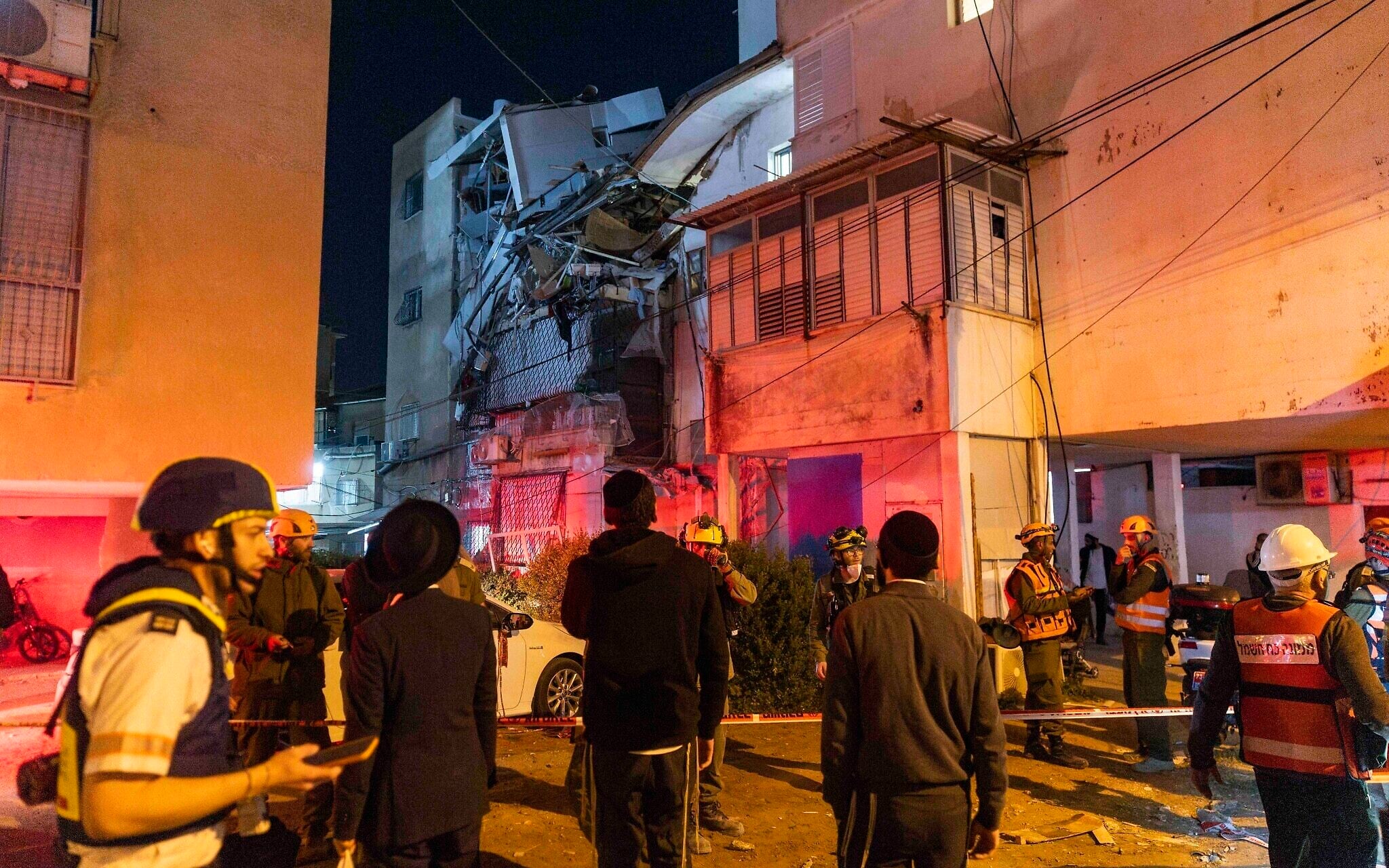
Israel conducted new military strikes in southern Lebanon on Monday, targeting positions linked to the Lebanese militia Hezbollah in an escalation that threatens to undermine fragile diplomatic efforts to end the broader Iran war. The attacks came just 24 hours after both Israel and Iran had stepped back from direct confrontation, raising fresh concerns about the stability of regional cease-fire arrangements.
The Israeli military operations focused on Hezbollah infrastructure in southern Lebanon, continuing a campaign that has emerged as a significant obstacle in ongoing U.S.-Iran peace negotiations. Hezbollah, which receives substantial backing from Iran, has been engaged in cross-border exchanges with Israeli forces throughout the regional conflict, creating a secondary front that complicates broader diplomatic efforts.
U.S. mediators have identified the Israeli-Hezbollah conflict as one of the primary challenges preventing progress in peace talks with Iran. Both Washington and Tehran face domestic political pressures that require them to present any potential agreement as a victory for their respective sides. The continued military activity between Israel and Iranian-backed forces makes such messaging increasingly difficult for negotiators.
The timing of the strikes underscores the volatility of the current cease-fire arrangements, which multiple sources describe as increasingly tenuous. Despite diplomatic efforts to maintain stability, military commanders on various sides appear to be operating under rules of engagement that allow for continued tactical operations even as broader strategic talks proceed.
Regional observers note that the cycle of strikes and counterstrikes creates momentum that can quickly spiral beyond diplomatic control. The challenge for U.S. mediators lies in managing these tactical-level conflicts while maintaining space for the strategic negotiations needed to resolve the underlying Iran war that has destabilized the region for months.