Lebanon Expels Iran's Ambassador as 'Persona Non Grata' After Hezbollah Drags Country Into War Without Authorization
Beirut's expulsion of Iran's entire diplomatic mission marks the most significant assertion of Lebanese sovereignty in decades, as Israeli ground operations reach the Litani River.
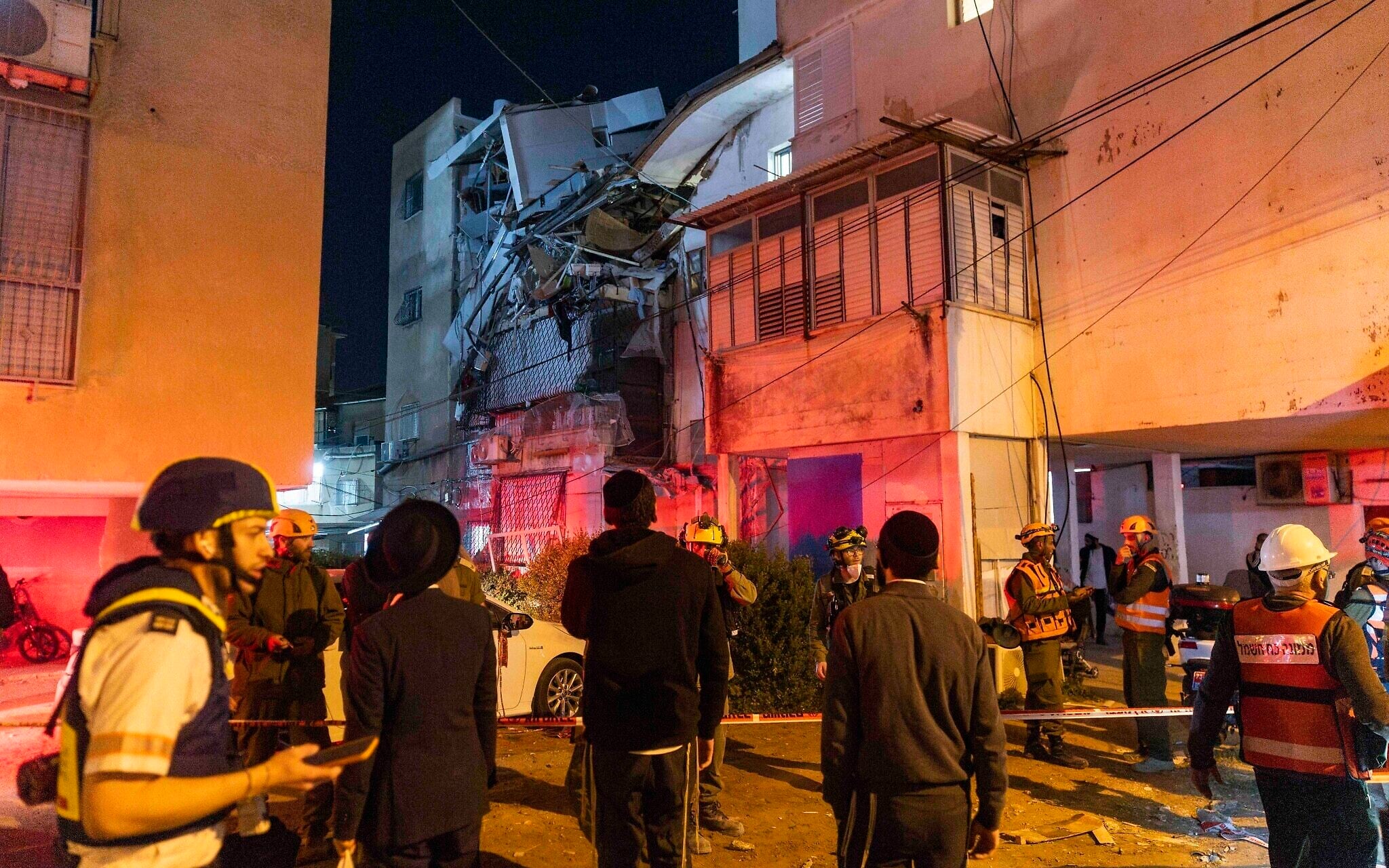
Lebanon has declared Iran's ambassador persona non grata and expelled the country's entire diplomatic mission, including all military attachés, in a dramatic rupture that signals Beirut's fury over Hezbollah's decision to drag Lebanon into an active war with Israel without government authorization. Lebanese President Joseph Aoun signed the expulsion order over the weekend, giving Iranian personnel 48 hours to leave Lebanese territory, according to Lebanese state media and the Times of Israel. The move is extraordinary in the context of Lebanese politics, where Hezbollah has for decades acted as a state within a state and Iran's influence over the group has been tacitly tolerated by successive Lebanese governments too weak or too divided to challenge it.
The Lebanese government's anger stems directly from the events of March 2, 2026, when Hezbollah launched rocket and missile attacks against northern Israel without cabinet consultation, triggering an Israeli military response that has since killed more than 1,000 Lebanese civilians and displaced nearly one million people — approximately 20% of the country's entire population. Lebanese Prime Minister Nawaf Salam convened an emergency cabinet session two days after the Hezbollah strikes and condemned the group's unilateral action as a "violation of Lebanese sovereignty and state authority." The cabinet formally called on Hezbollah to cease military operations and place its weapons under government control — demands Hezbollah publicly refused. The expulsion of Iran's ambassador represents the Lebanese government's most consequential act of sovereignty in a generation.
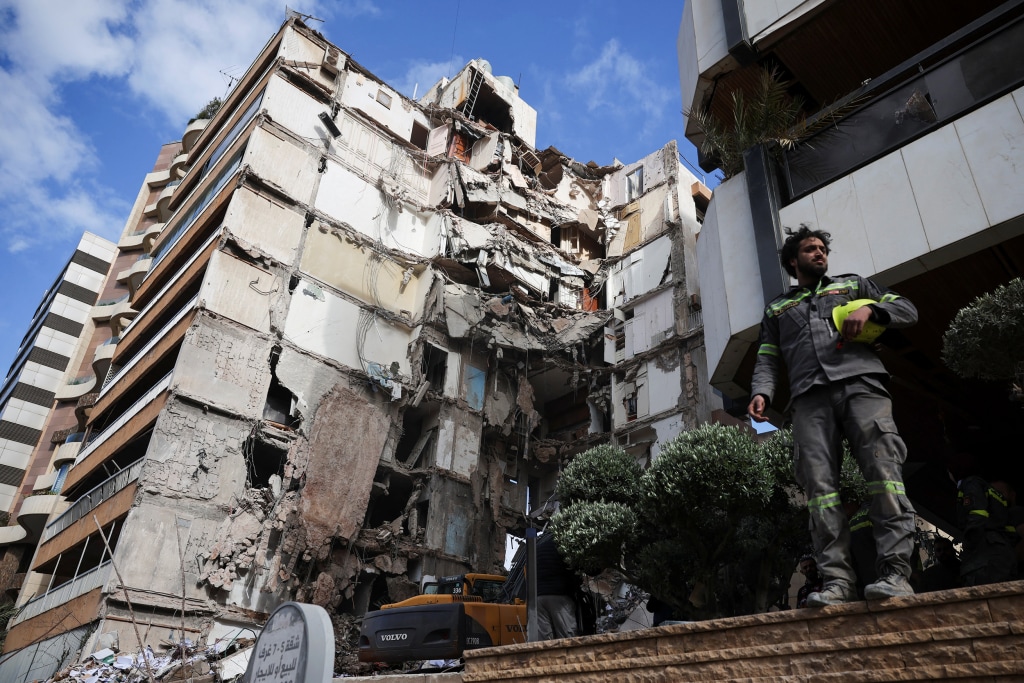
Israel's military response to Hezbollah's March 2 attacks has been severe. Israeli forces launched ground operations in southern Lebanon on March 16, advancing to the Litani River and establishing what Defense Minister Israel Katz called a permanent "security zone." Israeli air strikes have struck Hezbollah command centers in the southern suburbs of Beirut, known as the Dahieh, destroying multiple buildings that served as the group's operational headquarters. Thousands of Lebanese soldiers and police have been deployed to the south to prevent further Hezbollah rocket launches, with Lebanese army commanders operating under standing orders to cooperate with U.N. peacekeepers and report Hezbollah military activity. Lebanese army chief General Joseph Aoun — no relation to the president — described the situation as the closest Lebanon has come to being a functioning state since the 2006 war.
The crisis has exposed deep fractures within Hezbollah's own constituency. Shiite communities in southern Lebanon, who have historically been the group's most loyal base of support, have grown increasingly bitter over the destruction of their villages and the displacement of their families. Elected members of Parliament affiliated with the Amal movement, Hezbollah's Shiite coalition partner, have privately urged the group to accept a ceasefire, according to Lebanese political sources. Even within Hezbollah's leadership, internal communications intercepted by Israeli intelligence and reported by Haaretz suggest significant disagreement over whether the March 2 rocket attacks served Iranian strategic aims or Lebanese national interests.
Iran's foreign ministry called Lebanon's expulsion order "illegal and counterproductive" and warned that it would "damage bilateral relations for years to come." But with Iran simultaneously locked in a war with the United States and Israel, facing isolation across the Arab world, and seeing its regional proxy network under sustained military attack, Tehran has limited leverage to translate that warning into meaningful pressure on Beirut. Saudi Arabia expelled Iran's military attaché in Riyadh earlier this month, and Bahrain has proposed a U.N. Security Council resolution authorizing all necessary means to protect Hormuz shipping — further isolating Tehran. For Lebanon, the expulsion of Iran's ambassador is both a statement of sovereign intent and a bet that Hezbollah's future in Lebanese politics will ultimately be decided not in Tehran, but in Beirut.