Senate Blocks Iran War Powers Resolution for Fourth Time in 47-52 Vote
Democrats led by Sen. Tammy Duckworth vowed to keep forcing votes weekly as a May 1 War Powers Act deadline looms for the conflict that began February 28.

The Senate voted 47-52 on Wednesday to block a Democratic resolution that would have directed President Trump to end military operations against Iran, marking the fourth time this year Republicans have defeated such an effort. The defeat continues a pattern that has allowed the Iran conflict—now in its 47th day—to proceed without formal congressional authorization, setting the stage for a constitutional showdown as the 60-day War Powers Act deadline approaches.
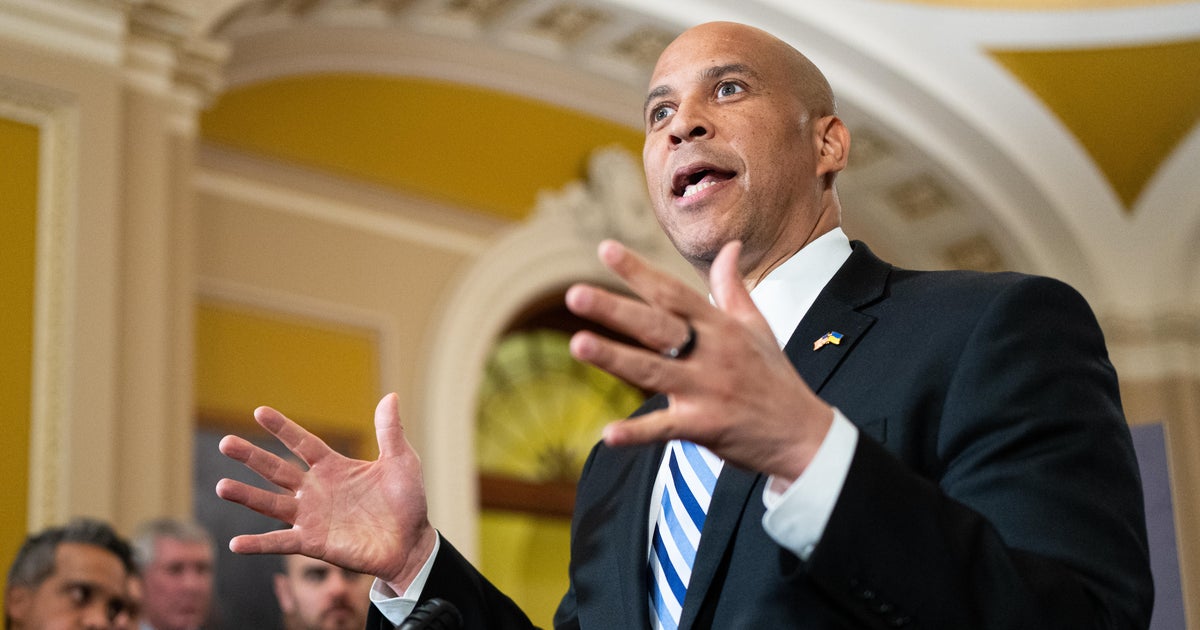
The resolution, introduced by Sen. Tammy Duckworth of Illinois, would have compelled the president to "remove the United States Armed Forces from hostilities within or against Iran, unless explicitly authorized by a declaration of war or a specific authorization for use of military force." Duckworth took to the Senate floor ahead of the vote to deliver an impassioned appeal to her Republican colleagues, many of whom are veterans or have military family members. "As our troops continue to sacrifice whatever is asked of them, we senators need to do the absolute minimum required of us," she said.
Two senators broke with their parties: Republican Sen. Rand Paul of Kentucky voted for the resolution, consistent with his longstanding opposition to unauthorized military interventions. Democratic Sen. John Fetterman of Pennsylvania voted against it, one of his several departures from the caucus position on foreign policy. The 47-52 result reflected the same basic contours as the three prior defeats, though growing pressure is expected as the May 1 legal deadline nears.
The Iran conflict began on February 28, when the administration launched strikes against Iranian nuclear and missile infrastructure. The Trump administration formally notified Congress in early March, starting the 60-day clock under the 1973 War Powers Resolution, which requires either congressional authorization or a 30-day withdrawal notice by approximately May 1. Democrats are threatening additional votes every week until the deadline passes or Republicans break.
Senate Minority Leader Chuck Schumer issued a pointed warning after the vote. "If the Republicans vote no again, we will continue to force votes on these resolutions every week until either this war ends or the Republicans get the courage to stand up to Donald Trump," Schumer said on the chamber floor. Several Senate Republicans who voted no suggested privately they might reconsider if the conflict extends past the 60-day deadline, but none has committed publicly.
Legal scholars have warned that if Congress repeatedly fails to act and the president continues military operations past 90 days without authorization, it will represent one of the most significant expansions of unilateral presidential war power in decades. Sen. Tim Kaine of Virginia, who has helped coordinate the Democratic war powers effort, told reporters the party is preparing additional procedural vehicles to force the issue before and after the deadline. With the Iran situation showing signs of potential de-escalation, the political and legal stakes of the vote series remain high.