Senate Republicans Block Third Attempt to Halt Iran War Without Congressional Authorization
Democrats fail again to advance resolution forcing troop removal from Iranian hostilities unless Congress approves offensive operations.

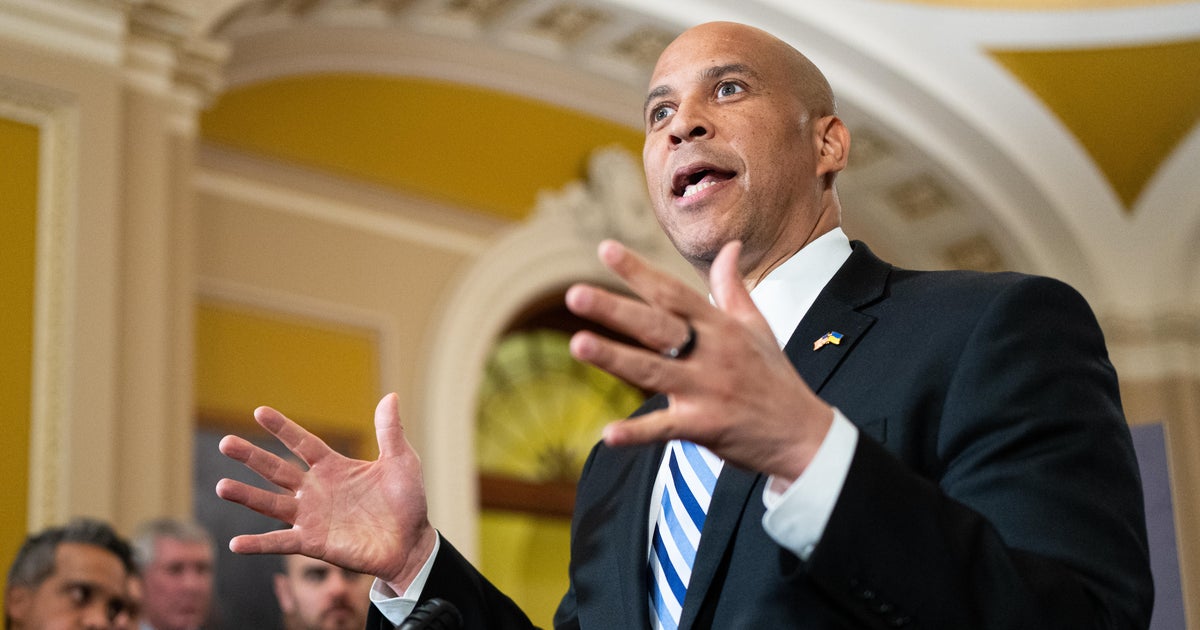
Senate Republicans on Tuesday blocked the third Democratic attempt to force a vote on a resolution that would require the removal of American troops from hostilities with Iran unless Congress formally authorizes the military operation. The procedural vote fell largely along party lines, with the measure failing to reach the 60-vote threshold needed to advance.
The resolution, sponsored by Senator Tim Kaine of Virginia and co-sponsored by several Democrats, invoked the War Powers Act of 1973, which was designed to reassert congressional authority over the deployment of American military forces. The measure would have required the president to withdraw troops from offensive operations against Iran within 30 days unless Congress passed a specific authorization for the use of military force.
Kaine argued on the Senate floor that the conflict with Iran had far exceeded the scope of any existing military authorization and that Congress had an obligation to assert its constitutional war powers. He noted that American forces had been engaged in active combat operations for several weeks without any formal congressional vote on the matter.
Republicans who voted against advancing the resolution argued that forcing a withdrawal timeline in the middle of an active conflict would endanger American troops and undermine ongoing diplomatic efforts. Senate Minority Leader Mitch McConnell said the resolution would send a dangerous signal of division to America's adversaries at a critical moment.
Senator Roger Wicker, the chairman of the Armed Services Committee, said that while he supported Congress's role in authorizing military action in principle, the practical effect of the resolution would be to hamstring the commander in chief during a period of active hostilities. He urged Democrats to instead work through the committee process to shape the administration's strategy.
A small number of Republicans have broken with their party on the war powers question. Senators Rand Paul and Mike Lee voted in favor of advancing the resolution, as they have done in previous iterations. Both have been consistent advocates for congressional war powers regardless of which party controls the White House.
The administration has argued that existing legal authorities, including the 2001 Authorization for Use of Military Force and the president's inherent constitutional powers as commander in chief, provide sufficient legal basis for the operations against Iran. Legal scholars are divided on the question, with some arguing that the conflict has clearly exceeded the scope of any existing authorization.
Antiwar organizations and civil liberties groups expressed frustration with the vote. The American Civil Liberties Union called the result a failure of democratic accountability, while Veterans for Peace said the Senate was abdicating its most solemn responsibility.
Public opinion polls have shown Americans are deeply divided over the Iran conflict, with support roughly split along partisan lines. However, surveys have consistently shown that a majority of voters believe Congress should be required to authorize any sustained military operation, regardless of their views on the specific conflict.
Democrats indicated they would continue to press the issue, though the path forward remained unclear. Some have suggested attaching war powers language to must-pass legislation such as the defense appropriations bill, a strategy that would force Republicans to choose between their opposition to the resolution and their support for military funding.