Army Blows Up 5 Tons of Unstable Explosives in Iowa; No Lead Detected
Federal monitors reported no detectable airborne lead after the controlled blast in Middletown, as questions mount about why senior officials learned of the danger so late.
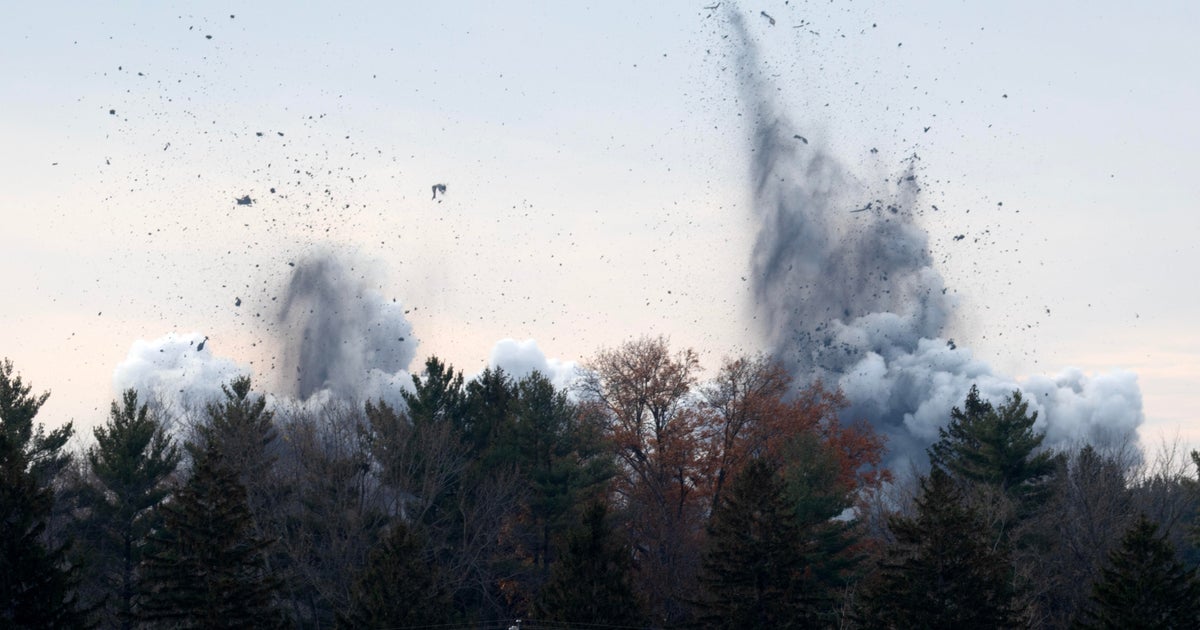
The U.S. Army detonated about 5 tons of degraded explosives at the Iowa Army Ammunition Plant on Wednesday, and federal agencies said their monitors picked up no lead in the air afterward, easing fears that a toxic dust cloud would drift over homes and farmland.
The controlled blast went off at 9 a.m. local time in Middletown, a community of about 350 people. The Environmental Protection Agency reported 15 minutes later that four monitoring stations had detected zero lead, and the readings were the same two hours after the explosion. The Federal Emergency Management Agency gave an all clear around the plant and said its air monitoring also found no detectable lead.
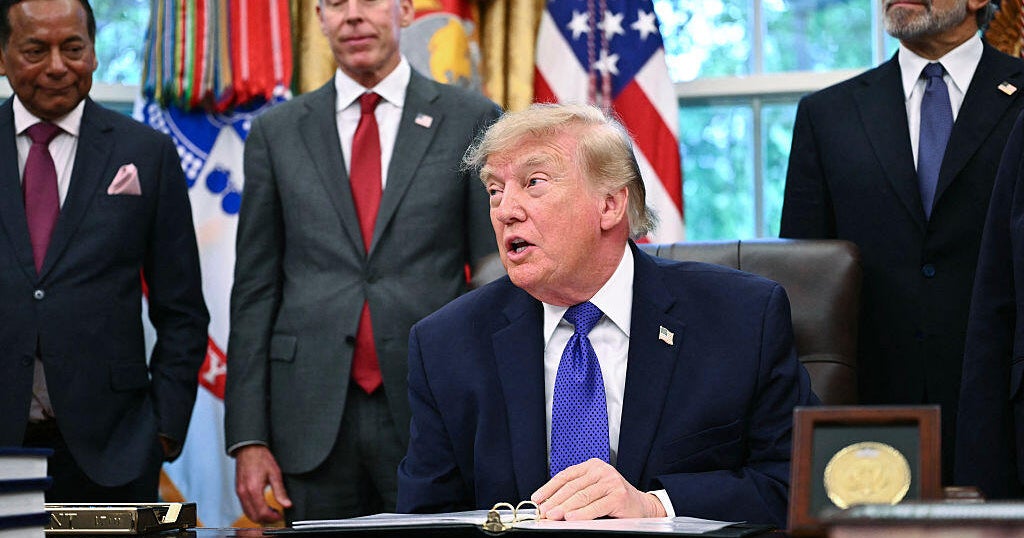
Army Maj. Gen. Eric Shirley, who commanded the operation, called it "tremendously successful." Bureau of Alcohol, Tobacco, Firearms and Explosives Director Rob Cekada said it went exactly as planned, with the force driven into the ground to limit how much lead was thrown into the air. President Donald Trump wrote that early reports showed the mitigation efforts had far exceeded expectations, and Iowa Gov. Kim Reynolds described the detonation as successful.
The stockpile consisted of roughly 68 barrels, or about 10,000 pounds, of lead azide, a highly sensitive compound used in ammunition since World War I. According to the EPA, the material degraded over about two decades in storage and recrystallized, making it more likely to explode accidentally if disturbed. The Army argued that setting it off under controlled conditions was safer than waiting, and pointed to falling temperatures as an added concern. Crews surrounded the bunkers with aqueous foam, gel blocks and walls of 16,000-gallon water tanks to absorb heat and trap particles.
Environmental groups and residents had tried to stop the plan, warning that a plume could reach parts of southeastern Iowa and northeastern Missouri. The blast was postponed last week after a lawsuit challenged the EPA's emergency permit. The 8th U.S. Circuit Court of Appeals lifted its initial block on Monday, acknowledging real risks from the detonation but finding that an uncontrolled explosion would be more dangerous.
Not everyone is reassured. Some residents told NBC News they were unsure when it would be safe to return, and outside experts said it would take days to learn whether any hotspots need cleanup.
Inside the administration, officials are asking how the problem went unaddressed for so long. The Army formally notified the EPA in March that it had found the potentially unstable barrels during a routine inspection. Several U.S. officials told CBS News that then-Army Secretary Dan Driscoll did not raise the matter with Defense Secretary Pete Hegseth, though another source said Hegseth's office was told early on. Sources said Trump was furious about the Army's handling in the months before the blast.
Iowa Gov.-elect Rob Sand, a Democrat who traded barbs with the president over the operation, said the run-up "should never have been so chaotic and unclear" and called for immediate transparency.